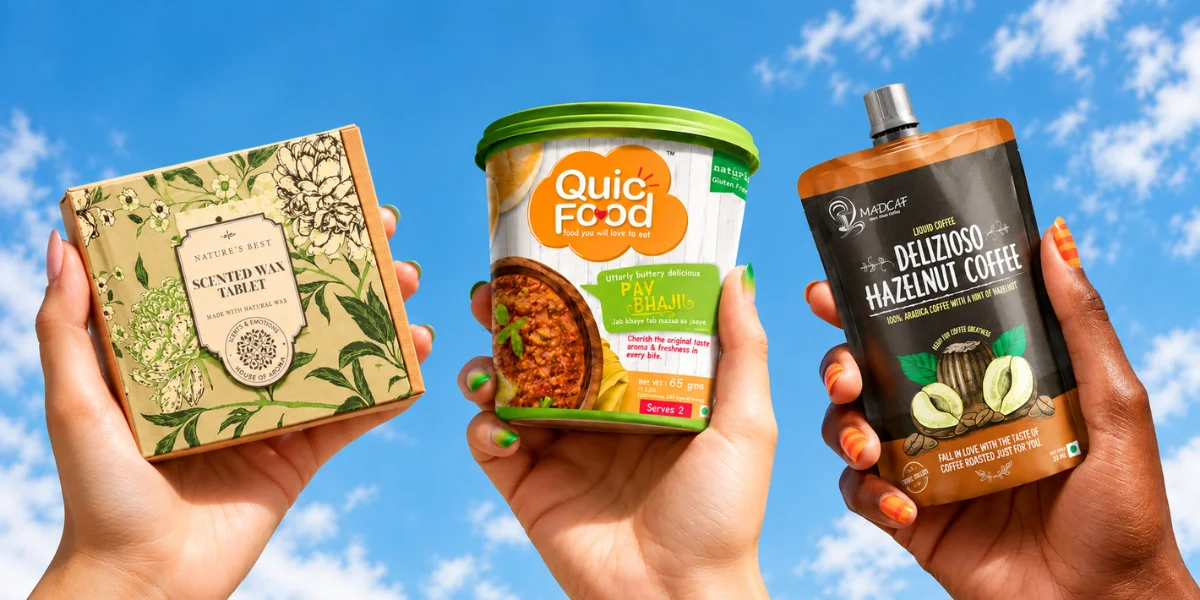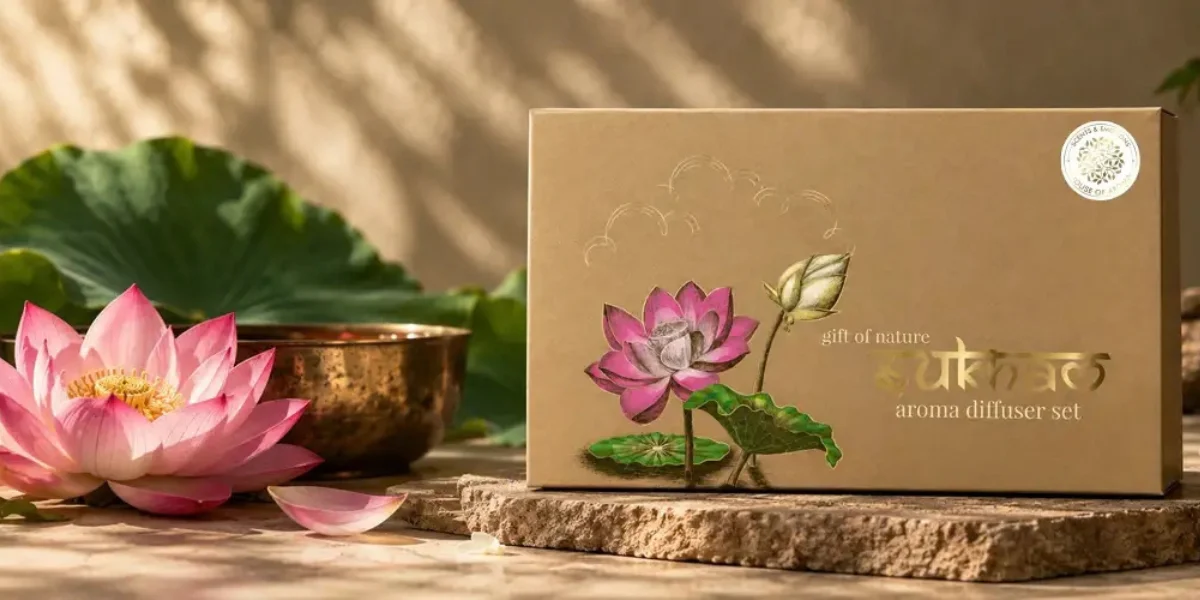
Picture a three-person tea brand in Surat that pours everything into one piece of creative packaging design: a carton that slides open like a matchbox, with a cotton pull-tab and a short line of poetry printed on the floor of the drawer. The samples arrive. Everyone in the office takes a photo.
Gift buyers love it. Then the first kirana order goes out and the shop owner calls back. The box is too tall for his top shelf, so he lays it flat, and lying flat the brand name reads sideways. On the quick-commerce app it’s worse. The drawer idea is invisible in a square thumbnail, and the pack looks like a plain brown block.
The idea wasn’t wrong. It just stopped at the gift table. A creative pack that works has to survive the whole trip: the printer, the delivery van, the shelf under a tube light, the phone screen, the kitchen cupboard and, finally, the bin.
This guide is about that whole trip, across every kind of product. It covers the creative ideas that tend to earn their place, how to tell a clever idea from a gimmick, and how to test one before paying for a print run. Food brands will find category-specific ideas in the guide to creative food packaging, and anyone working with cartons can find more shapes in the post on creative box design.
What Is Creative Packaging Design?
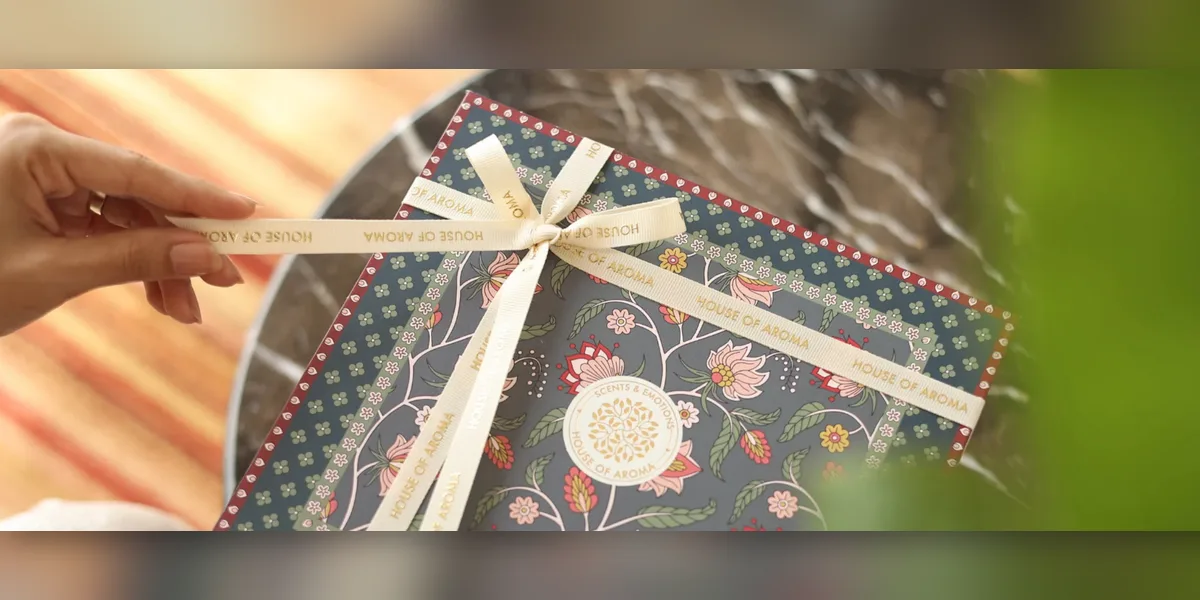
Creative packaging design is packaging built around one clear idea that makes a product easier to notice, remember or enjoy, where the idea comes from the product itself rather than from decoration. A pretty pattern is styling. A tea box that opens like a matchbox because the brand is about small daily rituals is an idea.
That difference matters more than it sounds. Styling can be copied by any competitor next month. An idea tied to what the product is, who buys it and how they use it is much harder to borrow.
The idea can live in a few different places on a pack:
- The structure: how the pack opens, stands, folds or gets used again.
- The surface: illustration, lettering, colour and finishes.
- The words: a name, a line of copy, a joke printed where nobody expects it.
- The moment: a Diwali run, a monsoon edition, a wedding-season box.
Most good packs do one of these brilliantly and the rest quietly. Packs that try to be clever in all four places at once usually end up loud and hard to read. Pick the one place where the product has the most to say, and let everything else support it.
Creative doesn’t have to mean expensive, either. Some of the sharpest packs on Indian shelves are a standard carton with a brilliant line of writing on the front.
FAQs: Creative Packaging Basics
Is creative packaging the same as luxury packaging?
No. Luxury packaging signals a high price through heavy board, rigid boxes and rich finishes. Creative packaging is about the idea, and it can live on a paper sachet as easily as on a gift box.
What is an example of creative packaging?
A spice jar whose lid doubles as a measuring spoon. A soap wrapped in a sleeve printed like a folded morning newspaper, because the brand is about slow mornings. Both ideas come straight from the product.
Does creative packaging cost more to produce?
Sometimes. A new structure needs a new cutting die and sampling, and special finishes add steps at the press. An illustration-led or word-led idea on a standard carton often costs about the same as a plain one. It depends on the number of products, pack formats, materials and print runs.
How does Brij Design Studio start a creative packaging project?
With a deep dive into the product, the people it’s for and where it sits in the market. The creative idea is built on that understanding instead of being added as decoration at the end.
Why Does Creative Packaging Design Have to Sell, Not Just Surprise?
Because a pack’s first job in a shop is to be found and picked up, and an idea that people admire but can’t spot on a crowded shelf does very little for sales.
Research firm Ipsos, looking across more than 50 packaging studies in over 20 countries, reported no connection between how much people like a pack design and how well it stands apart on the shelf (Ipsos, How to Make Packaging Stand Out). The same handout lists what did help a pack get noticed: a colour that differs from the competition, a bright colour, a strong brand name, an obvious branding device, a different shape, and a design that is clear and simple.
Look at that list again. A different shape. One obvious device. Simple. Several of those are creative decisions, but disciplined ones.
This is the trap with creative work. The team falls for an idea in a meeting room, under good light, holding one perfect sample. Shoppers meet the pack from two metres away, squeezed between forty others, often for a few seconds. On a phone it’s the size of a postage stamp.
So the brief for a creative pack has two lines, not one. Make it memorable. Make it findable. If an idea can’t do both, choose findable. A plain pack that sells beats a beautiful one that hides.
Why shoppers read colour, weight and shape the way they do is a subject of its own, covered in the guide to consumer perception and product packaging.
FAQs: Creativity and Sales
Does creative packaging increase sales?
It can, when the idea also makes the product easier to spot and understand. A clever pack that confuses shoppers can sell worse than the plain one it replaced.
Is it better to break category colours or follow them?
Usually a bit of both. Keep one or two codes shoppers use to find the category, then break one on purpose so the pack doesn’t vanish among look-alikes.
How long does a shopper look at a pack before choosing?
Not long. In a busy aisle it’s often a quick glance and a grab, which is why the brand and the product type have to read at a glance.
How does Brij Design Studio make sure a creative pack still works on the shelf?
After the concept stage, it refines the hierarchy, typography, colour and brand elements so the pack works on the shelf and online, not just in a presentation.
What Kinds of Creative Packaging Ideas Actually Work?
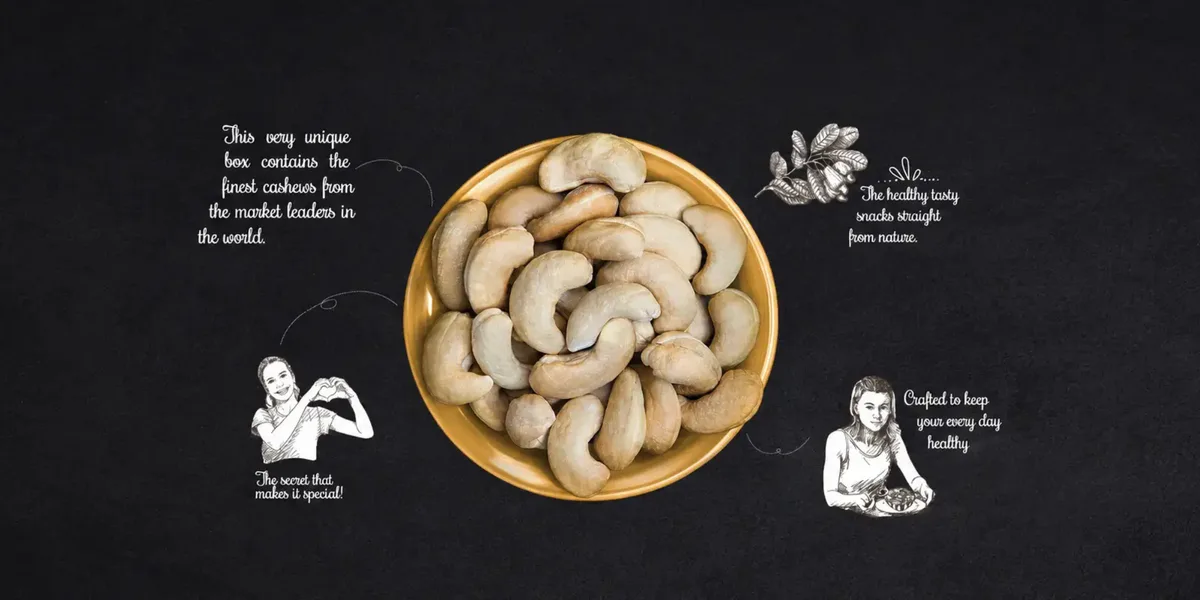
Most creative packs that keep selling fall into six families: structural surprises, illustration-led packs, typography-led packs, packs with a second life, limited editions, and finishes people want to touch.
1Structural Surprises
A carton that opens like a drawer, a pouch with a window shaped like the product inside, a box that unfolds into a little counter display. Structure is the hardest idea to copy and the costliest to get wrong, so sample it early.
2Illustration-Led Packs
A hand-drawn map of the estate on a coffee bag. A street scene from the founder’s old neighbourhood wrapped around a biscuit tin. Illustration gives a small brand a personality no stock photo can, and one style can stretch across ten variants by changing the scene.
3Typography-Led Packs
Sometimes the words are the idea: one huge word, a Hinglish pun, an ingredient list set like a poem. It’s cheap to print and loud on a shelf, but it lives or dies on the writing and the letterforms. The guide to fonts for packaging helps with the second part.
4Packs With a Second Life
A pickle jar that becomes a drinking glass. A sweet box sturdy enough to keep bangles in. A refill pouch that tucks into the first tin. When people keep a pack, the brand stays on the counter for months.
5Limited Editions
A Diwali sleeve, a monsoon flavour, a pack for cricket season. A short run lets a brand try a bold idea without touching the main pack. Keep the logo and core colour fixed so regular buyers still find it.
6Finishes People Want to Touch
Embossed lettering, a soft-touch carton, rough uncoated paper that feels like a handmade notebook. Finish is a quiet idea. Use it on one element so it feels deliberate, not on everything.
Interactive features such as QR codes deserve a mention too. A code is only creative when the thing behind it is worth the scan: a recipe video, a short film from the farm, a puzzle for kids on a long car ride. A code that opens the home page is a missed chance.
Six families doesn’t mean six ideas per pack. Pick one.
FAQs: Creative Packaging Ideas
What are some creative packaging ideas for small businesses?
Start with the ones that need design time more than new tooling: a typography-led front, an illustrated sleeve over a standard box, a sticker seal with a line of writing, or a message printed inside the lid.
Is interactive packaging worth it?
Only when what sits behind the scan or the fold is genuinely useful or fun. If nobody would miss it, leave it out and use the space for something clearer.
Can sustainable packaging be creative?
Yes, and limits often push better ideas. A refill system, a pack made from one material, or a paper window instead of plastic can all become the creative idea rather than a compromise.
Which packaging formats does Brij Design Studio design for?
Its packaging page lists stand-up, flat, zipper and spout pouches; rigid, magnetic, sleeve, drawer and gift boxes; cartons; and tins, bottles, jars, tubes, labels and sleeves.
Where Is the Line Between a Smart Idea and a Gimmick?
A smart idea makes the product easier to find, use, understand or keep. A gimmick makes the pack more interesting to look at once, and often makes something else harder.
Take the matchbox tea carton. It’s charming. If the drawer swells and jams in a Mumbai July, it’s a gimmick. A sweet box with a hidden second layer is lovely at a wedding. If shop staff can’t stack it, the shop quietly stops ordering it.
Signs an idea is turning into a gimmick
- It needs explaining. If the founder has to show people how to open it, shoppers in a hurry won’t bother.
- It fights the product. A heavy bottle in a fragile, clever sleeve. A powder in a box that spills when opened the fun way.
- It hides the basics. Flavour, weight or variant gets pushed to the back to make room for the idea.
- It only works in photos. Gorgeous on a white table, lost on a crowded shelf.
- It adds cost to every single unit, forever, for a smile that lasts one purchase.
The opposite list is shorter. A smart idea usually comes straight from the product’s own story, and the shopper gets it in one look. Nobody needs a manual for a lid that’s also a spoon.
To be fair, gimmicks aren’t always bad. For a one-off gift run or a launch kit sent to creators, a bit of theatre can be exactly right. The trouble starts when theatre becomes the everyday pack that has to sit on a shelf for three years.
FAQs: Smart Ideas vs Gimmicks
What is gimmick packaging?
Packaging whose novelty is the whole point, with little benefit to the shopper or the product. It gets attention once and often causes trouble in shipping, stacking or daily use.
Why do some creative packs fail in shops?
Usually because they were judged in a meeting rather than on a shelf. The brand name shrinks, the variant hides, or the shape doesn’t fit the fixtures shops actually have.
Can a gimmick work for a product launch?
Yes, for a short run. A launch kit or gift edition can carry more theatre than the everyday pack, as long as the regular pack stays practical.
How does Brij Design Studio keep a creative idea from becoming a gimmick?
Its packaging concepts combine brand strategy, visual communication and an understanding of the category, so an idea has to fit the brand’s position and how that category sells, not just look clever.
How Do You Judge a Creative Pack Idea Before Printing?
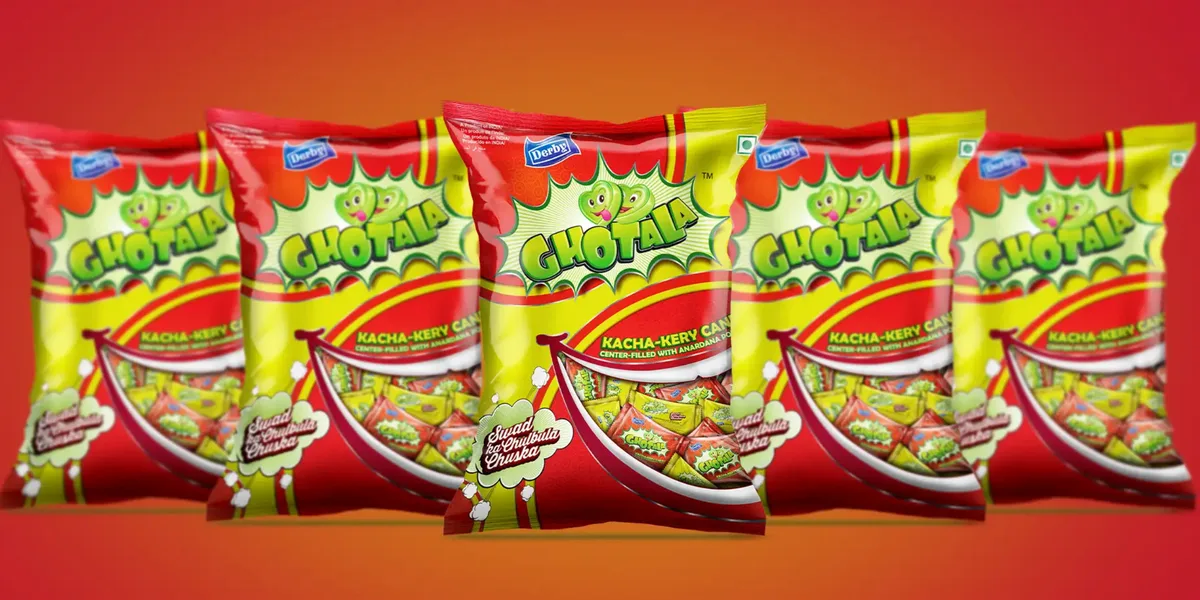
Put the idea through a short set of questions with real people and a real sample, not just a screen. If it fails two or more, rework it before anyone orders printing plates.
Questions to ask about any creative pack
- From two metres away, can a stranger tell the brand and what the product is?
- At thumbnail size on a quick-commerce app, does the idea still show? If not, what does?
- Does it open, close and reseal the way a tired person would use it at 7 a.m.?
- Will it survive the delivery van, a stack of twenty and a humid godown?
- Does the variant (flavour, size, scent) read without turning the pack around?
- Is there room for the required product details without shrinking them to dust?
- Could the idea stretch to the next five products in the range?
- How easily could a competitor copy it next month?
A cheap way to test the first two: print the front at actual size, wrap it round a dummy box, and put it on a real shelf next to the competition. Take a phone photo from where a shopper would stand. Then shrink a screenshot of the pack and drop it into a screen grab of the app’s search results. It takes one afternoon and catches most of the problems.
After that, hand a physical sample to five people who’ve never seen it, and say nothing. Watch how they open it. Their hands will tell you more than their opinions.
FAQs: Judging a Creative Idea
How do you test packaging before launch?
Mock it up at full size, put it on a real or photographed shelf beside competitors, check it at thumbnail size, and watch a few strangers open and use it. Fix what trips them up.
How many people should test a pack design?
For a small brand, even five or six strangers will show the obvious problems. Research firms use much bigger groups when the stakes justify it; the Ipsos handout suggests 50 people per test cell for shelf data.
Should packaging be designed for the shelf or the phone screen first?
Both, but check the phone early. The thumbnail is the harsher test, and a design that works small almost always works big.
Can Brij Design Studio show a creative pack idea before it’s printed?
Yes. Its packaging work includes realistic 3D mock-ups along with print-ready artwork, so a team can see the idea as a finished pack before committing to a print run.
How Does a Creative Pack Go From Idea to Press?
In six steps: a sharp brief, a few genuinely different routes, an early structural sample, artwork, proofs and a press check. Creative packs need the sampling step more than ordinary ones do.
1Write a One-Page Brief
Product, buyer, where it’s sold, what the competition looks like and the one feeling the pack should leave. Add the hard limits too: shelf height, shipping method, target unit cost.
2Explore Different Routes
Not three colourways of one idea. One route might be structural, another illustration-led, another built on words. Choose on the shelf test, not on taste.
3Sample the Structure Early
Get a white, unprinted sample from the box maker before artwork is finished. Most structural problems show up the moment someone opens it.
4Build the Artwork System
Front hierarchy, variant colours, back panel, required text and barcode. The flat layout has its own rules, explained in the guide to box packaging layout.
5Proof and Mock Up
Digital proofs for the words, a printed proof for colour, and a realistic mock-up for the team, retailers and the launch shoot.
6Stand at the Press
Someone from the brand should see the first sheets come off the machine. Colours and special finishes are where creative packs drift most.
At Brij Design Studio, packaging work follows a similar arc: a deep dive into the product, audience and market position, then concepts, then structural ideas carried through to visual execution across boxes, pouches, labels and other formats. The studio’s packaging page also talks about designing for all five senses, from tactile textures and colour harmonies to structural form and subtle scent. It’s a useful reminder that a creative idea doesn’t have to be something you see.
FAQs: From Idea to Press
How long does a creative packaging project take?
It depends on the number of products, pack formats, materials and print runs. A new structure adds sampling rounds, so allow more time than for a graphic refresh on an existing box.
What is a dieline?
The flat outline of a pack showing where it’s cut, folded and glued. Every piece of artwork is built on it.
Who makes the structural sample, the designer or the printer?
Usually the box maker or printer cuts it from the designer’s dieline. The designer checks it, marks changes, and the two go back and forth until it opens and stacks properly.
Does Brij Design Studio see a creative pack through to print?
Its packaging work runs from concept and structural ideation to final print output, ending in print-ready artwork. Production needs can be discussed at the start, which matters most when a pack has an unusual shape or finish.
Common Mistakes With Creative Packaging

Most of them share one root: the idea was judged on a screen or in a meeting, not in the places the pack actually lives.
- The brand name shrinks to make room for the art. Shoppers can’t buy what they can’t name.
- A redesign changes everything at once, and regular buyers lose the pack they trust. The same Ipsos handout describes a large juice brand whose sales fell about 20% after a redesign dropped a familiar branding device.
- The hero pack gets all the love. Then the fourth flavour arrives and the idea doesn’t stretch.
- A finish is chosen that the printer can’t hold steady across runs, so batch two looks like a different brand.
- Nobody checks the thumbnail until the listing goes live.
- A viral pack from abroad gets copied without asking whether it suits this product, this price point or this buyer.
- The idea eats the space meant for required details, and the back panel turns into six-point type.
The redesign one hurts most, because it punishes a brand’s most loyal customers first. Change the idea if it needs changing, but keep one or two things people use to find the pack.
A wider list of slip-ups, creative or otherwise, sits in the post on packaging design mistakes.
FAQs: Creative Packaging Mistakes
What is the biggest mistake in creative packaging?
Losing the brand name or the product type to the idea. If shoppers can’t tell what it is and who made it, the idea has failed.
Should a brand redesign all its packs at once?
It can, but it should keep at least one familiar cue, such as the core colour or the logo position, so loyal buyers aren’t lost on day one.
How do you fix a creative pack that isn’t selling?
Find out where it fails first. Shelf? Thumbnail? Use at home? Then fix that one thing, often the front hierarchy, before throwing out the whole idea.
How does Brij Design Studio help a brand avoid these redesign mistakes?
Its branding work begins by understanding the business: objectives, market, audience, competition and long-term vision. For a rebrand, its “Becoming” stage turns that strategy into a cohesive identity, so changes are made for a reason.
Studio, Freelancer or DIY: Who Should Create a Creative Pack?
For a single simple label, a good freelancer or even a careful founder can manage. For a new structure, a full range, or a pack that has to work on the shelf, the app and the gift table, a packaging studio is usually the safer choice.
Doing it yourself
Fine for a test batch at a weekend market. Risky for a printed run of thousands, because nobody is checking the dieline, the bleed, the print colours or whether the idea holds up next to competitors.
A freelance designer
Often brilliant at illustration or lettering. Ask whether they’ve handled structure, printer files and a full range before. Some have. Many haven’t, and that’s where creative projects stall.
A packaging design studio
Brings strategy, structure, graphics and print follow-through under one roof. It takes longer to start and costs more than a freelancer, but it’s less likely to leave a nasty surprise at the press.
There’s a sensible middle path too. A studio sets the idea and the system, then a freelancer or in-house designer rolls out later variants inside it.
FAQs: Choosing Who Designs It
Can I design creative packaging myself?
For a small test batch, yes. For a full print run, get at least the dieline and print files checked by someone who does it every week.
What should I ask a packaging designer before hiring?
Ask to see printed packs rather than screens. Ask who handles structure and printer files, how many concept routes they show, and how they test a design on the shelf.
Is a freelancer cheaper than a studio for packaging?
Often, for the design hours alone. Over the whole project it depends on the number of products, formats, materials and print runs, and on how much fixing happens at the press.
What kinds of packaging projects has Brij Design Studio worked on?
Its case studies page covers rebrands, new product launches, food startups, confectionery and luxury packaging.
Where Is Creative Packaging Heading Next?
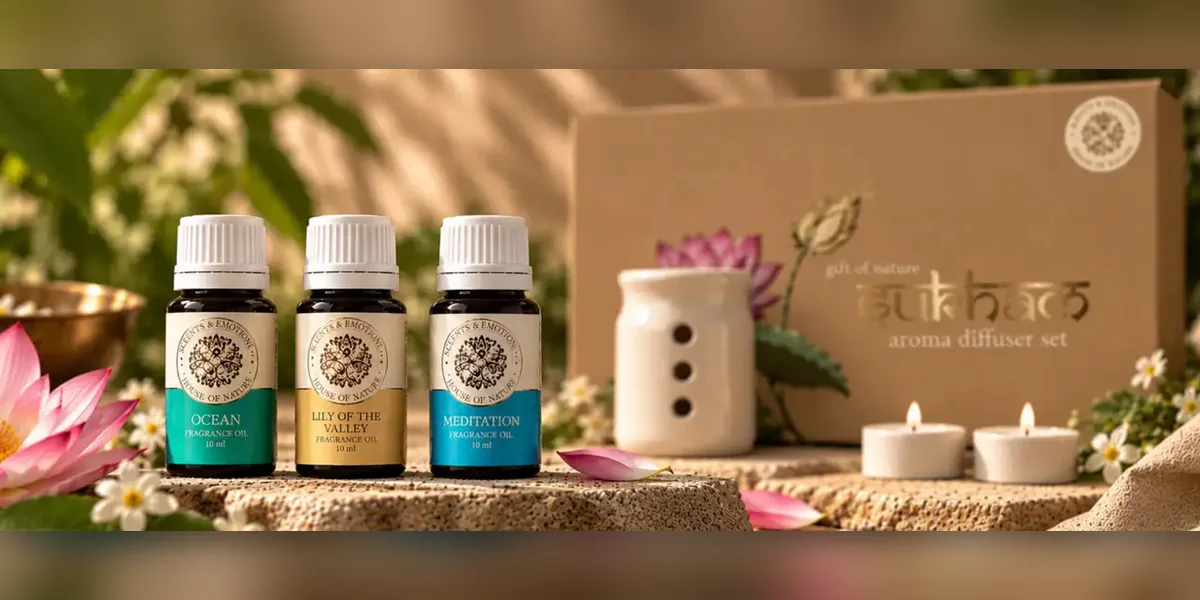
Toward packs that work as hard on a phone screen as on a shelf, that waste less, and that change more often through short, playful runs.
Thumbnail-first ideas
Quick-commerce has changed the brief. The creative idea now has to read in the top half of the front panel, at the size of a fingernail. Expect bolder single devices and fewer tiny details.
Refill and reuse as the idea
The tin you keep and the pouch that refills it. More brands are making the reuse system the creative centrepiece rather than an add-on. The guide to sustainable packaging design covers the material side.
Short runs and drops
Digital printing makes small batches more practical, so festive sleeves, city editions and collaborations with local artists are easier to try. They keep a brand fresh without touching the core pack.
Packs that feel and sound different
A paper that crackles, a lid that clicks, a faint scent on opening. Senses beyond sight are still underused, especially in everyday categories.
Not every shift suits every brand, though. A heritage ghee brand chasing a new drop every month can look nervous rather than fresh. Steady is a creative choice too.
FAQs: The Future of Creative Packaging
What are the latest trends in creative packaging?
Bold, simple fronts built for thumbnails, refill systems, short festive or artist editions, tactile finishes and packs designed to be kept.
Will AI replace packaging designers?
Unlikely. AI is handy for fast mood boards and rough mock-ups. Judging an idea against a real shelf, a real printer and a real buyer is still a person’s job.
Is minimal packaging going out of style?
Not really. Minimal packs that say nothing are fading. Minimal packs with one strong idea are doing fine.
Does Brij Design Studio design packaging for senses beyond sight?
Yes. Its packaging page describes designing for all five senses, with tactile textures, colour harmonies, expressive typography, structural forms and subtle scents.
Why Choose Brij Design Studio for Creative Packaging Design?
Brij Design Studio is a Mumbai design studio working across branding, packaging, website design and digital marketing, so a creative pack can be planned alongside the brand it belongs to rather than in isolation.
Its packaging design process starts with the product, the target audience and the market position. Concepts combine brand strategy, visual communication and category understanding, then move from structural ideas to visual execution across boxes, pouches, labels and other formats. Hierarchy, typography, colour and brand elements are refined so the pack works on the shelf and online, and the studio delivers print-ready artwork and realistic 3D mock-ups, taking the work from concept through to final print output.
Past work, from rebrands to confectionery and luxury packaging, is on the case studies page. Founders with a product and an idea they’re unsure about can reach the team through the Mumbai studio contact page.
Conclusion
A creative pack earns its keep when the idea comes from the product and still lets a hurried shopper find it, understand it and pick it up. Structure, illustration, words, reuse, limited runs and finish all work, one at a time.
Test the idea where the pack really lives: on a crowded shelf, in a thumbnail, in someone’s hands at breakfast. Keep the familiar cues when redesigning. And if an idea needs explaining, it isn’t ready yet.
Be clever where it helps someone buy. Be plain everywhere else.
Common FAQs About Creative Packaging Design
What makes packaging design creative?
One clear idea that comes from the product and helps the shopper notice, use or remember it. Decoration on its own is styling.
What is the difference between creative and innovative packaging?
Innovative packaging usually means new materials or technology, like a new closure or barrier film. Creative packaging is about the idea and how it’s expressed. The best packs sometimes do both.
How can I make my product packaging unique?
Find the one thing only your product can say, then express it in a single place: the shape, the illustration, the words or the finish. Keep everything else simple so that one thing gets noticed.
Is bold or minimal packaging better for a new brand?
It depends on the category. In a loud aisle, calm can stand apart; in a quiet one, bold wins. Look at the shelf first, then decide.
How do colours affect creative packaging?
Colour is often the first thing shoppers use to find a product. Owning one distinct colour in a category is a creative move in itself.
What materials work best for creative packaging?
The ones that suit the product’s protection needs and the idea. Kraft board for warmth, rigid board for gifting, uncoated paper for a handmade feel, single-material films for pouches that need to be recycled.
How often should a brand refresh its packaging?
Only when there’s a reason: a new range, a shift in buyers, a pack that isn’t being found. Small, regular tweaks are usually safer than a big change every few years.
Does creative packaging help on Instagram and quick-commerce apps?
Yes, if the idea shows up in a photo and at thumbnail size. A pack people want to photograph gets free reach; a pack that disappears in a thumbnail loses sales online.
What services does Brij Design Studio offer besides packaging?
Branding, website design and digital marketing, all from its studio in Mumbai.
How can a brand start a creative packaging project with Brij Design Studio?
Through the contact page of its Mumbai studio. The first stage is a deep dive into the product, the audience and the market position before any concepts are drawn.