
Luxury Packaging Case Study
Where aesthetic refinement meets narrative depth
Luxury Packaging Design Case Study for The St. Regis (Marriott Group): bespoke packaging for fragrance-focused personal care products.
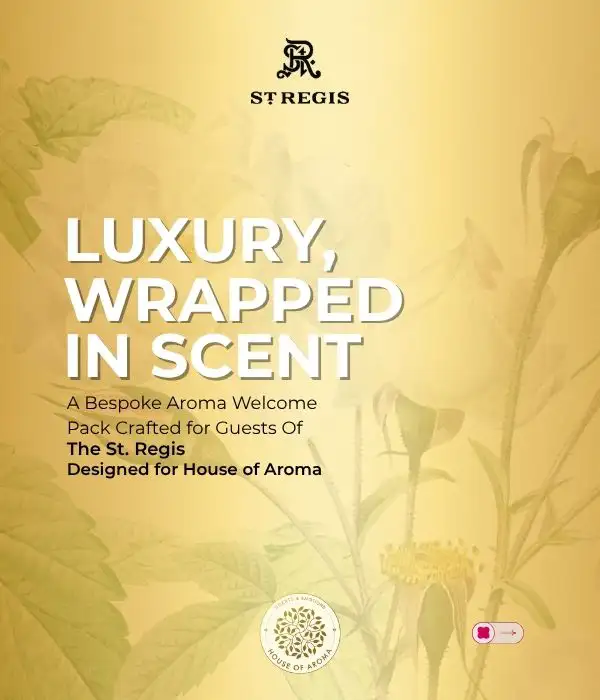 The St. Regis · Marriott Group
The Outcome
Improved positioning within luxury marketplaces
The Style
Botanical watercolour illustration
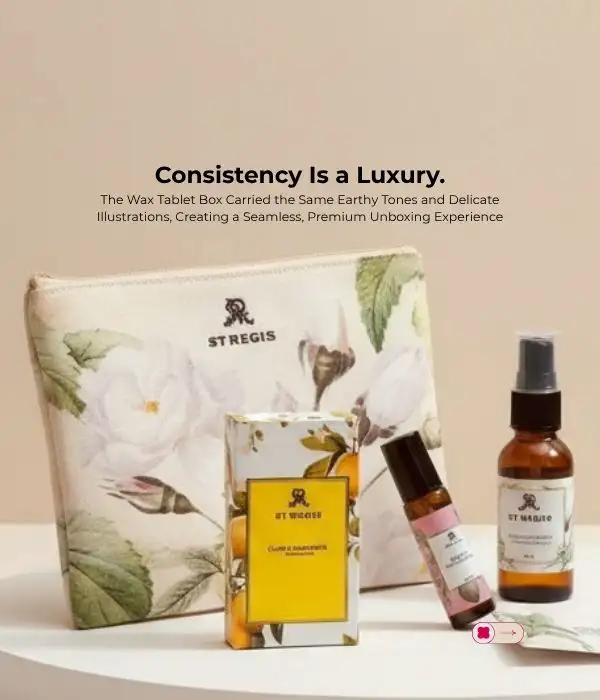
Multipurpose travel pouches
Harmonious design throughout all packaging elements
Overview
This examination explores how “deliberate design elevates packaging into complete sensory experience.” Brij Design Studio was retained by The St. Regis to develop bespoke packaging for fragrance-focused personal care products.
The initiative encompassed designing custom pouches, identification markers, and containers functioning as multipurpose travel accessories. Positioned within the expanding premium packaging marketplace, the objective was establishing packaging reflecting “sophistication, practicality, and substantial environmental connection” while satisfying the brand’s international luxury benchmarks.
The Brief
The client’s vision centered on packaging communicating a narrative—products influenced by botanical specimens within hotel grounds.
Pouches transcended basic containers; they functioned as visitor welcome tokens.
Key expectations included:
- Compelling botanical storytelling via floral design
- Premium yet imaginative finishing
- Practical and reusable versions, including multipurpose travel pouches
- Harmonious design throughout all packaging elements
The difficulty involved translating these specifications into sophisticated, internationally compelling packaging ideas featuring handcrafted pouches.
The Concept
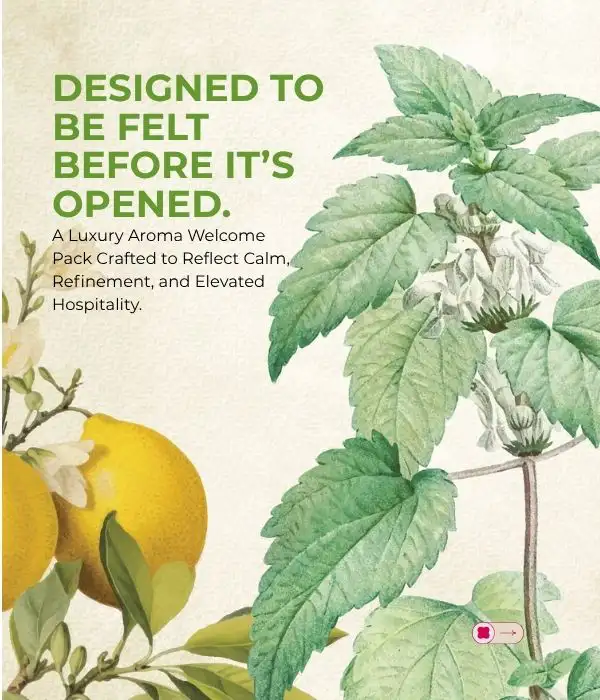
The strategy centered on harmonizing environmental elements with sophistication via botanical illustration. A visual framework emerged suggesting products derived from on-property flora, cultivating emotional and sensory involvement. Watercolor methodology introduced delicacy and truthfulness while sustaining premium character. This strategy situated packaging as experiential components, elevating appropriateness for premium hamper collections while boosting perceived value within competitive luxury segments.
Design Approach
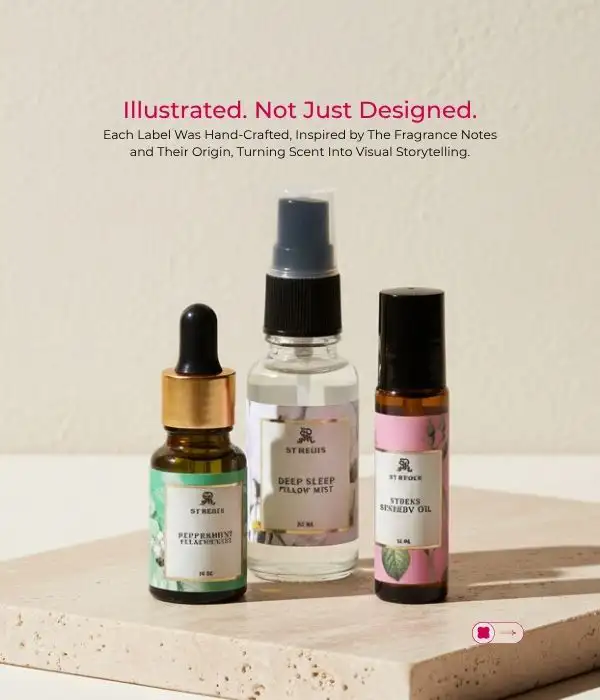
Handcrafted Illustration & Floral Detailing
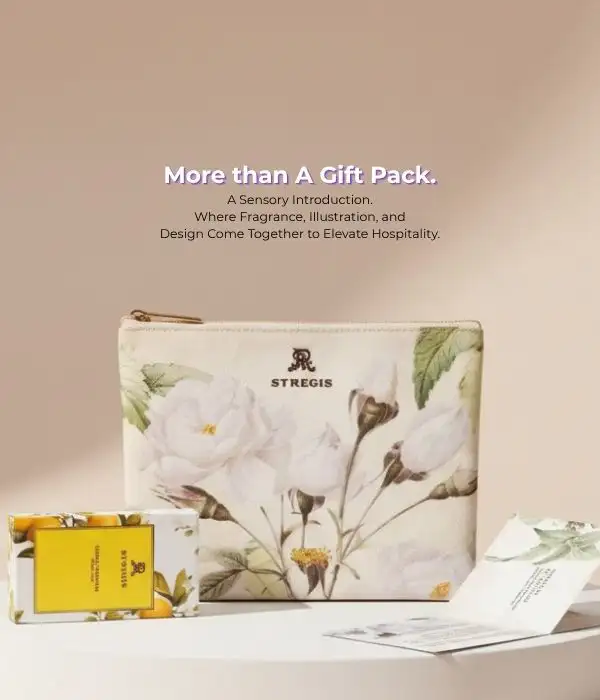
Pouch development prioritized handmade appearance via botanical illustration and dynamic detailing:
- Digitally produced yet mimicking hand-drawn styles
- Stylus-driven methods replicating brush and pen characteristics
- Hierarchical groupings reflecting natural botanical collections
This method delivered fragrance hampers distinctive personality, synchronizing with current aesthetic beliefs where “genuineness, technical expertise, and narrative-driven approaches maintain elevated appreciation.”
Design Approach
Watercolour Illustration Style
A pivotal component involved watercolor methodology, introducing profundity, delicacy, and distinction. Characteristics included:
- Muted chromatic transitions and unstructured configurations
- Open, flowing compositions emphasizing premium presentation
- Refined particularity elevating graphic dimension
This approach reinforced organic ingredient messaging and enriched general product packaging methodology, establishing visual uniqueness and emotional impact.
Design Approach
Packaging Execution & Application
The finished system encompassed comprehensive custom pouch, marker, and container infrastructure:
- Designed as practical multipurpose travel pouch variations
- Appropriate for gifting as handmade present containers
- Incorporated fluidly into fragrance hamper collections
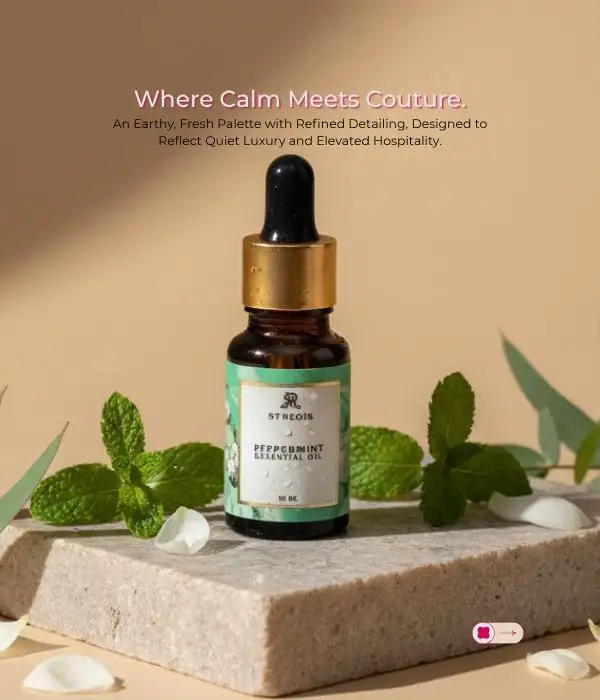
All components guaranteed consistency throughout packaging infrastructure, adhering to Marriott International luxury criteria and reinforcing marketplace recognition within premium segments.
The Outcome
This packaging examination was effectively finalized:
- Distinctive botanical design grounded in narrative
- Premium character through watercolor styling
- Practical and aesthetic custom pouches
- Improved positioning within luxury marketplaces
Packaging converted everyday items into curated interactions, serving both individual application and premium hamper distribution.
Conclusion
Among modern examples, this endeavor demonstrates how “powerful packaging methodologies can reimagine product perception.” Through merger of:
- Creative botanical imagery
- Practical styling, like multipurpose travel pouches
- Premium implementation in product packaging
Packaging transformed into significant brand extension. For The St. Regis, this initiative demonstrates how “intentional design improves not simply product, but total guest involvement.”
Luxury Packaging Design Case Study
This examination of premium packaging explores how “aesthetic refinement and narrative depth can elevate packaging into an experience.” Created for a luxury hospitality brand, the initiative reflects emerging trends where “design transcends functionality.”
Design Case Studies
Among contemporary examples, this effort excels in “merging artistic expression with practical application.” It demonstrates how botanical imagery and watercolor techniques foster emotional resonance while preserving premium perception. The work exemplifies why “meticulous attention and material consideration redefine luxury perception.”
Packaging Case Study
This examination highlights the necessity of “unified, expertly-executed product packaging across diverse formats.” From custom pouches to containers and identification markers, each component aligned with luxury positioning. The strategy centered on “generating reusable elements like multipurpose travel pouches, providing functionality alongside value.” Such examples reveal how “careful consideration and uniformity elevate ordinary items into premium goods.”
Luxury Gift Hampers
Packaging integrated seamlessly into curated premium hamper collections, improving both visual presentation and perceived worth. Handcrafted pouches and intricate botanical designs established sophisticated gifting experiences. The watercolor methodology introduced delicacy and sophistication, making individual pieces feel distinctive. Premium hampers function as “complete sensory engagements reflecting excellence, consideration, and pronounced brand character.”
Aroma Gift Hampers
This initiative particularly enhanced fragrance hamper collections, where multisensory experience proves paramount. Through deliberate botanical illustration and watercolor styling, packaging conveyed the nature of organic components. These collections unified usefulness with visual appeal, employing custom pouches combining premium quality with reusability. This examination demonstrates how fragrance hampers achieve marketplace differentiation when backed by “powerful packaging approaches and luxury concentration.”
Pouch Design
The pouch served as both aesthetic and functional centerpiece. Developed as multipurpose travel formats, handcrafted pouches merged practicality with refinement. Botanical imagery and watercolor styling delivered artistic charm while sustaining premium finishing. These custom pouches complemented general product packaging, serving personal requirements and present-giving. The pouch functioned as a “critical differentiator merging appearance, environmental responsibility, and sophistication.”
Questions & Answers
FAQs
Pouch design refers to manufacturing adaptable packaging—stand-up pouches, level bags, or side-gusset containers. It requires balancing protective capabilities—safeguarding contents against dampness and oxidation—with branding impact. Contemporary pouch methodology typically prioritizes features like resealable closures, opening marks, and premium matte or reflective treatments distinguishing products on competitive retail environments.
Sophisticated packaging development requires prioritizing sensory interaction through premium materials and understated presentation. Achieving elevated perception involves thick, textured paper compositions, metallic adorning, raised detailing, or soft-contact laminating. The aim creates “unboxing moments” where container substance, opening sensation, and internal particularity—including custom wrapping or molded elements—warrant increased expense.
Design investigations document specialist or company methodology for distinct projects. They typically follow “Challenge, Method, Achievement” frameworks, displaying preliminary drawings, visual direction, and finished output. Professionally, these operate as dynamic testimonials establishing capacity for managing intricate branding obstacles, including technical platform transitions or marketplace optimization for organizational purchasers.
Packaging functions as the “unspoken marketing representative” and preliminary physical engagement for buyers with brands. Beyond safeguarding and distribution, it conveys organizational principles including environmental responsibility or sophistication and communicates vital particulars. Throughout social networking, successful packaging promotes “unboxing documentation” via shared content, materially minimizing paid customer procurement expenses.
Investigation in design methodology constitutes thorough exploration of five procedural elements: Comprehend, Recognize, Conceive, Construct, and Examine. It illustrates how specialists recognized distinct consumer obstacle and progressed via iterations to accomplish consumer-responsive conclusions. Documentation demonstrates “customer-focused” problem-managing in applications including interface/experience advancement or responsible item development.
Watercolor illustration comprises delicate, flowing visual expression employing pigments mixed in aqueous formula applied to substrate. Characterization encompasses openness, luminous applications, and particular chromatic blending methodology. Inside contemporary branding, watercolor illustration frequently appears in ornamental components, writing implements, and botanical product packaging, delivering “handmade, refined aesthetic conveying individualization beyond electronic graphics.”
Our work that will interest you

Let's work together
Want packaging that feels like an experience?