Book Launch & Personal Branding Case Study
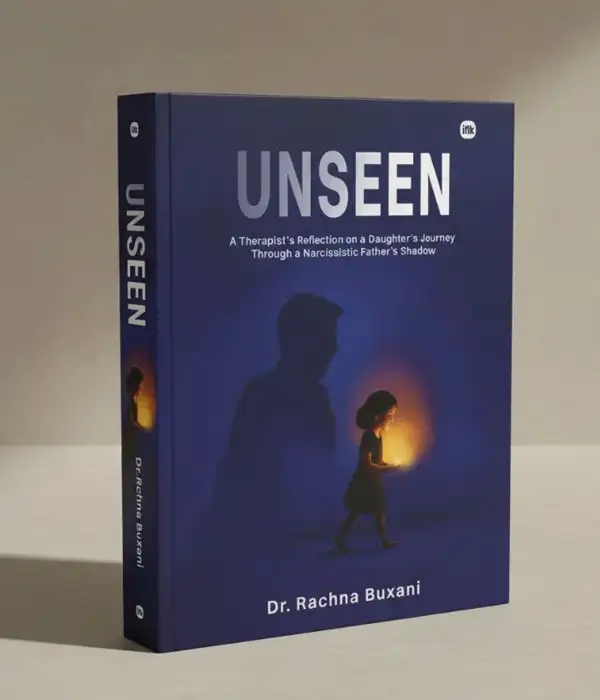
This book launch & personal branding case study highlights how strategic execution can transform an author book launch into a powerful brand-building opportunity. For Unseen by Dr. Rachna Buxani, we combined advanced personal branding strategies with a focused book launch marketing plan to establish authority in a niche domain. From planning a book launch to executing high-impact book launch promo campaigns, every step was aligned with long-term personal brand development. This project also emphasized content creation for personal branding, ensuring that the brand message was consistent, discoverable, and impactful across platforms.Book Launch Case Study
This book launch case study demonstrates how a well-structured approach to planning a book launch can significantly enhance visibility and engagement. The focus was not just on promoting the book but building a complete ecosystem around the author book launch. Through a targeted book launch marketing plan, we executed multi-platform book launch promo strategies designed to educate, engage, and convert audiences. By integrating digital storytelling and strategic collaborations, the campaign ensured strong reach and recall. This case study proves that successful book launches today require a blend of content, distribution, and brand positioning.Personal Branding Case Study
This personal branding case study showcases how effective personal branding strategies can elevate an individual into a recognized authority. The objective was clear—drive personal brand development for Dr. Rachna Buxani while aligning it with the book launch case study framework. By building a consistent identity across platforms and leveraging content for personal branding, we ensured credibility and trust. The integration of SEO, content, and visibility tools allowed us to create a scalable brand presence. This case highlights how content creation for personal branding plays a critical role in long-term recognition and influence.Personal Brand Development
Strong personal brand development is the foundation of any successful personal branding case study. In this project, we defined clear positioning, messaging, and visibility strategies to support both the individual and the author book launch. By implementing tailored personal branding strategies, we ensured consistency across all digital touchpoints. The focus was also on creating impactful content for personal branding that communicates expertise and relatability. This approach helped bridge the gap between awareness and authority, proving that a well-planned personal brand can significantly amplify the results of a book launch marketing plan.Book Launch Marketing Plan
A robust book launch marketing plan is essential when planning a book launch that delivers measurable results. In this case, we designed a multi-channel strategy combining organic and performance-driven book launch promo efforts. The campaign included video content, podcast collaborations, and platform-specific storytelling to maximize reach. By aligning the book launch case study with personal branding strategies, we ensured that the author’s identity remained at the core of the campaign. This approach not only drove visibility but also strengthened personal brand development, making the launch impactful and sustainable.Content Creation for Personal Branding
Effective content creation for personal branding was a key driver of success in this campaign. We developed engaging and informative content for personal branding that simplified complex topics like narcissism for a wider audience. From podcasts to short-form videos, every format was aligned with the overall book launch marketing plan. This content strategy supported both the author book launch and long-term personal brand development. By consistently delivering value-driven content, we strengthened audience connection and trust, proving that strategic content is at the heart of every successful personal branding case study.Case Study:
Overview
Objective:
The foundation of this project was strong personal brand development.
We created a unified brand identity for Dr. Rachna Buxani across all platforms:
- Defined her niche as a Narcissism Therapist & Author
- Aligned messaging across social media, Google, and web platforms
- Built credibility through structured digital presence
This stage was critical in establishing a scalable framework for content for personal branding and future growth.
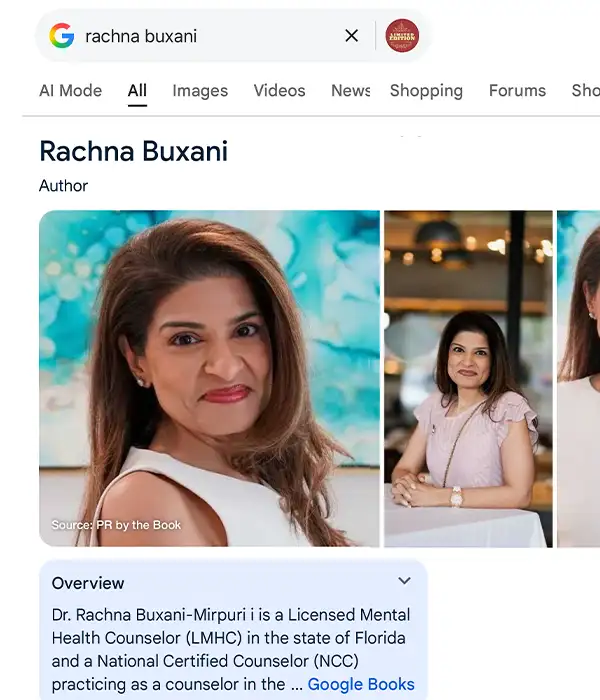
A key highlight of this personal branding case study was the creation of a Google Knowledge Panel.
We achieved this by:
- Publishing consistent and verified information across platforms
- Connecting social profiles, forums, and authoritative listings
- Structuring data to align with search engine recognition systems
This step significantly boosted:
- Online credibility
- Search visibility
Trust factor for both the author and the book
A major pillar of our book launch marketing plan was content creation for personal branding.
We launched a dedicated YouTube channel and built a content ecosystem around:
- Narcissism awareness
- Real-life scenarios
- Educational storytelling
The focus was to create meaningful and relatable content for personal branding that could resonate with Indian audiences while simplifying complex psychological concepts.
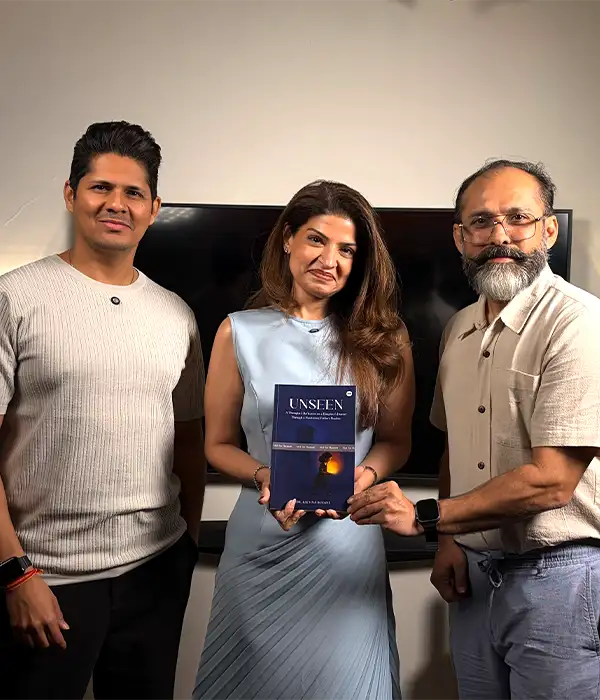
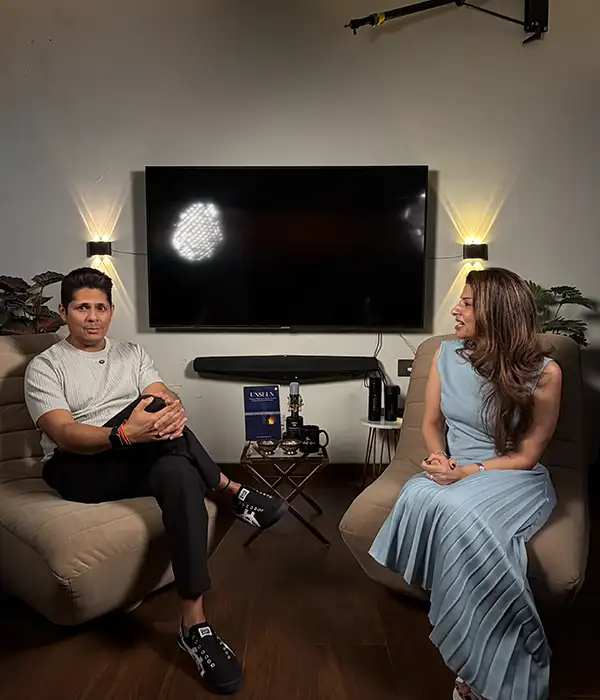
To scale reach, we collaborated with Vishal Malhotra.
- Rachna traveled from Miami to Mumbai specifically for this collaboration
- The podcast focused on:
- Narcissism in relationships
- Its influence in everyday life
- Relevance within the film industry
This collaboration played a key role in amplifying the book launch promo through an already engaged audience base.
We executed a 360-degree book launch promo strategy across platforms:
- YouTube (long-form content)
- Instagram (reels & short-form videos)
- LinkedIn (thought leadership content)
- Twitter/X (awareness snippets)
Content was repurposed and distributed strategically to maximize engagement and reach.
This integrated approach ensured that the author book launch was not just visible but impactful.
Personal branding is the intentional process of creating and influencing the public perception of an individual by positioning them as an authority in their industry. It is the unique combination of skills, experience, and personality that you want the world to see. Think of it as your “professional reputation” translated into a digital and visual identity that tells people who you are, what you stand for, and why they should trust you.
A successful book launch requires a 3-to-6-month lead time. Start by building an “ARC team” (Advance Review Copy) to generate early reviews, and create a landing page to collect email subscribers. Coordinate a “virtual book tour” through guest blog posts and podcast appearances to build momentum. In the final week, run a social media countdown and host a live launch event to drive concentrated sales that help your book climb the bestseller charts.
Personal branding is important because it builds credibility and trust before you even enter a room. In a crowded marketplace, it differentiates you from competitors by highlighting your unique “Unique Selling Proposition” (USP). A strong brand ensures that opportunities such as speaking engagements, partnerships, and high-value clients come to you organically because your expertise is clearly documented and visible.
Personal branding on social media is the practice of using platforms like LinkedIn, Instagram, or X (Twitter) to consistently share your professional insights and story. It involves curating your profile bio, using a professional headshot, and posting content that aligns with your niche. It transforms your social profiles from “static resumes” into “living portfolios” that engage with your target audience in real-time.
To launch a book on Amazon, you must first optimize your KDP (Kindle Direct Publishing) listing with high-traffic keywords and a compelling book description. Choose the right “categories” to ensure you are competing in a niche where you can rank. Utilize Amazon Advertising to boost visibility during the first 72 hours and encourage your launch team to leave verified reviews immediately, as Amazon’s algorithm prioritizes products with high initial engagement.
Personal branding is essential to career success because it grants you “career insurance.” When you are recognized as a thought leader, you are no longer dependent on a single employer; your value is tied to your name rather than your job title. This leads to higher salary negotiations, faster promotions, and a resilient professional network that can support you through industry shifts or career pivots.
Building your brand on social media starts with consistency and value. First, define your “content pillars” the 3 or 4 topics you want to be known for. Second, optimize your profiles with a clear “I help [Target Audience] do [Problem/Goal]” statement. Third, engage daily by commenting on industry leaders’ posts and sharing original long-form content, such as 1,400-word authority articles or case studies. This establishes a “digital footprint” that proves your expertise to anyone who searches for your name.