
A dental clinic in Andheri had a lively Instagram page, a couple of hundred Google reviews and no business website. Then an HR team from a nearby office went looking for a clinic to run check-ups for its staff. They wanted one link they could forward to their manager: services, the dentists’ qualifications, the address, a way to book. The clinic had nothing to forward. The contract went to the clinic down the road, which did.
That’s the quiet job of a website for a small or growing Indian business. It rarely brings the first glance. Instagram, a WhatsApp forward or a Google Maps pin usually does that. The website is where the second, more serious look happens, the one just before somebody picks up the phone.
This guide covers what that site actually needs: which pages, what makes a stranger trust it, how enquiries should land, how fast it has to open on a mid-range phone, how it shows up in local search and what has to happen after launch. It skips the code talk. The aim is a site that brings in calls, not one that wins awards.
What Is a Business Website?
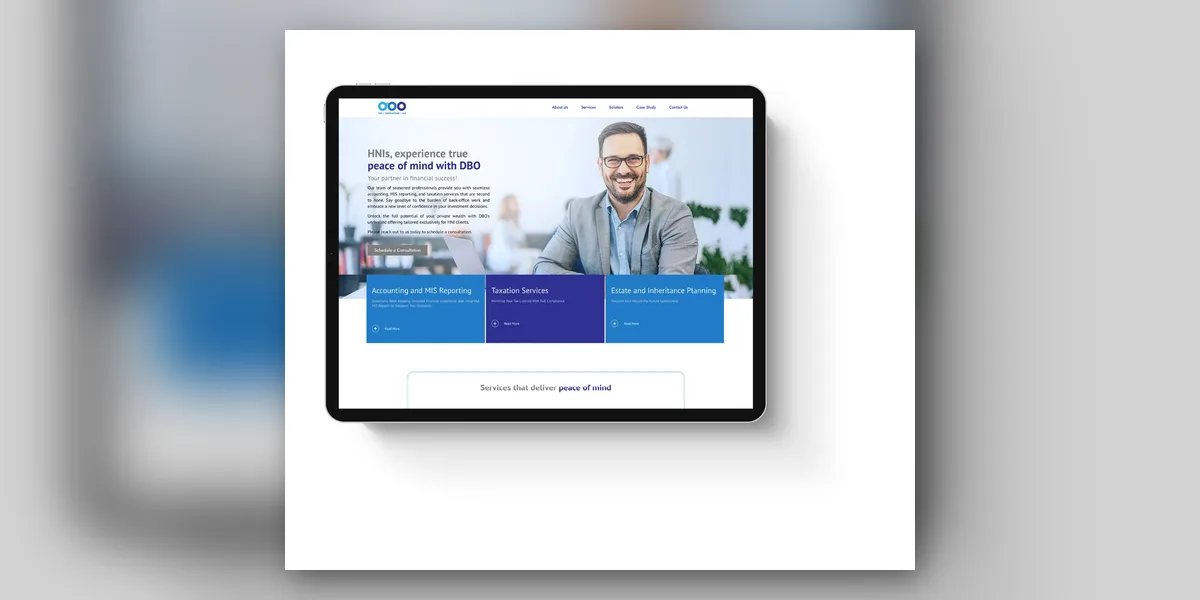
A business website is the set of pages a company owns on its own domain that explains what it sells, proves it’s real and makes it easy to get in touch. For most small businesses that’s five to ten pages, not a giant portal.
The “owns” part matters more than it sounds. An Instagram account can get restricted. A marketplace can change its fees overnight. A listing site can show a competitor’s ad right on top of the profile. The domain and what sits on it belong to the business, and it’s the one address that stays put when everything else shifts.
It’s also different from an online shop. A shop is built around a cart and a checkout. A business website, in the sense this guide uses, is built around a lead: a call, a WhatsApp message, a quote request, a site visit, an appointment. Plenty of businesses need a bit of both. Start with the lead, and add the shop when orders really start coming that way.
FAQs: What a Business Website Is
Is a Google Business Profile the same as a business website?
No. The profile is a listing Google controls: hours, photos, reviews, a map pin. It’s great for being found. The website is where the business tells the full story in its own words, and the profile should link to it.
How many pages does a small business website need?
Most start well with five to eight: home, about, services or products, proof of work, contact and an FAQ. Add more only when there’s real content to fill them.
Can a one-page website work for a business?
Sometimes. A home tutor or a wedding photographer in one city can get away with it. Once there are several services or locations, separate pages help both visitors and Google.
What kinds of business websites does Brij Design Studio build?
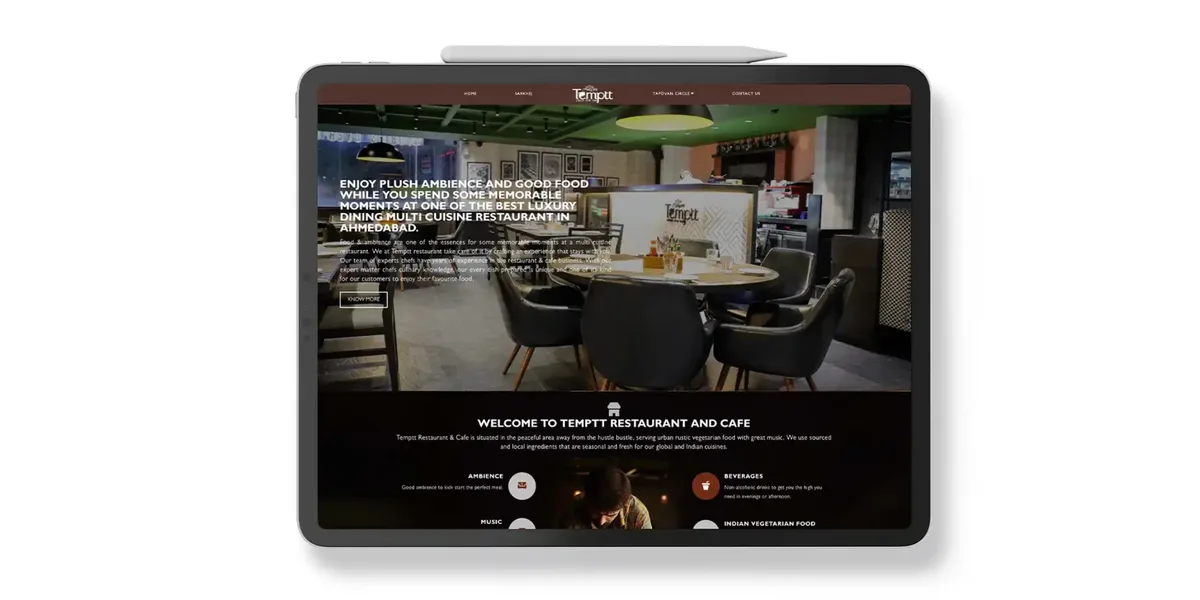
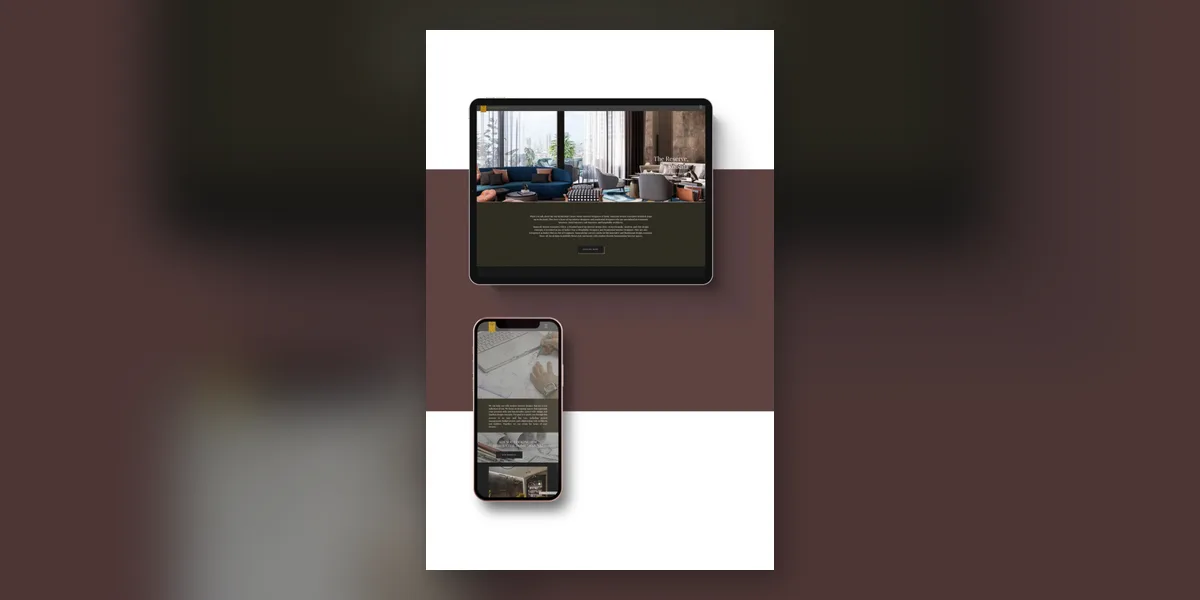
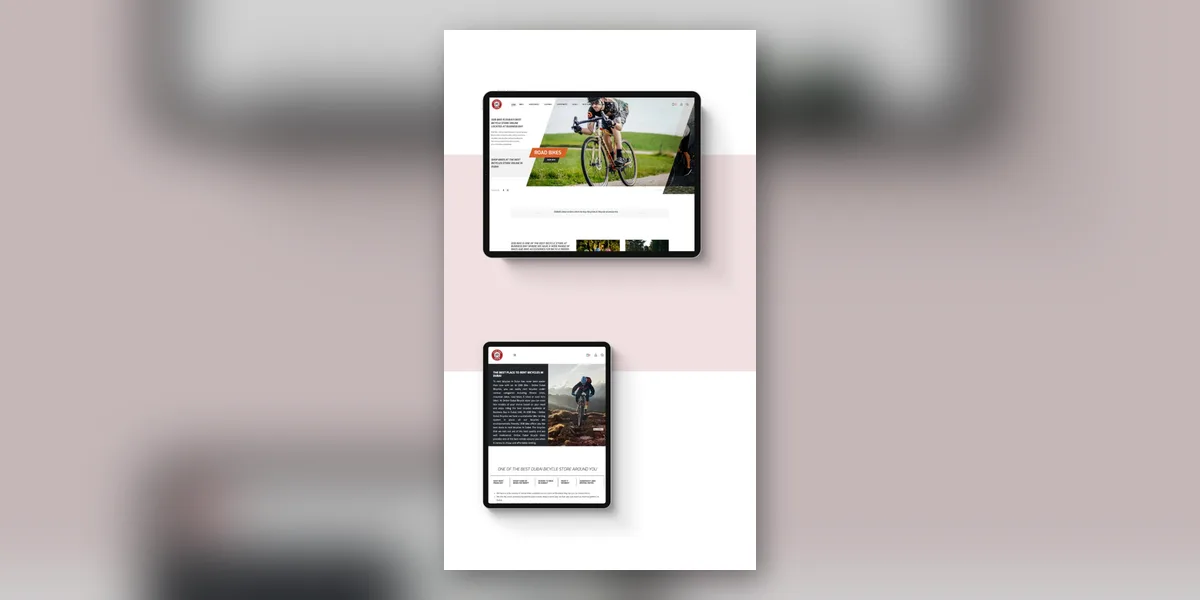
Brij Design Studio, a design studio in Mumbai, builds responsive WordPress websites. Its portfolio covers e-commerce stores, architecture and interior design firms, product catalogue sites, industrial and construction companies, and counselling services.
Why Do Small Businesses Need a Business Website If They Have Instagram?
Because Instagram gets attention and a website helps close the deal. A social profile shows the mood. The site answers the practical questions a buyer has before spending money, and it turns up when someone searches for the service, not just the brand name.
Look at how a B2B buyer behaves. A purchase manager at a pharma plant in Bhiwandi collects three quotes for stainless steel fabrication. Before the meeting she opens all three websites. One shows photos of actual work, the industries it serves, a factory address and a company profile to download. One shows stock photos of handshakes. One has no site at all. It doesn’t take her long to decide who gets the meeting.
Retail and services work the same way, only faster. A parent comparing two coaching classes checks timings, faculty and past results. A family in Indore planning a wedding checks the caterer’s menus and photos at 11 at night, on a phone. If the only way to get that information is to send a DM and wait, many people simply don’t bother.
What a Website Does That a Social Page Can’t
- It shows up for searches like “CA firm for GST filing in Pune”, and not just for the firm’s name.
- It holds detail: full service lists, the process, certificates, FAQs, a quote form.
- It looks the same to everyone. No feed decides who gets to see it.
- It gives the sales team one link to send, instead of fifteen screenshots.
None of this means dropping Instagram. The two do different jobs, so link one to the other and keep the facts on both identical.
FAQs: Website vs Instagram
Is Instagram enough for a small business in India?
For a home baker selling to one neighbourhood, it can be for a while. Once buyers start comparing options, asking for a company profile or searching on Google, a website starts earning its keep in trust.
Do customers still check websites before buying?
For anything expensive, recurring or B2B, careful buyers do some homework first, and a website is the easiest place to do it. Often it’s a quick look on a phone just before the call.
Does a website help a business rank on Google Maps?
It can help. A Google Business Profile linked to a real website with the same name, address and phone number gives Google more to go on than a bare profile.
How does Brij Design Studio keep a website in line with a brand’s social media?
Brij Design Studio works on branding, website design and digital marketing under one roof, so the look and the words on the site can match what the brand already shows on social media.
Which Pages Does a Small Business Website Need?
Five pages cover most small businesses: Home, About, Services or Products, Work or Reviews, and Contact. An FAQ page and the policy pages come next. Everything beyond that has to earn its place.
1Home
One clear line saying what the business does and for whom, the main services, a bit of proof and one obvious way to get in touch. Layout is a topic of its own, covered in this guide to homepage design.
2About
Who runs the place, since when, and why. A real photo of the team or the shop front beats a paragraph about “passion and excellence”.
3Services or Products
One page per main service where possible, so each can rank for its own searches. Say what’s included, who it suits and what happens after someone enquires.
4Work or Reviews
Photos of real jobs, short project notes, Google reviews, client logos only with permission. Sceptical buyers head here first.
5Contact
Phone, WhatsApp, email, address with a map, opening hours and a short form. The phone number belongs in the header of every page too.
6FAQ
The questions the front desk answers ten times a day: delivery areas, minimum orders, timings, documents needed. It saves calls and helps search.
7Policies
A privacy policy and terms of use if the site collects any details. Refund, cancellation and shipping policies for anyone selling online.
Plan the page list before anything gets designed. Brij Design Studio’s website work starts by planning the sitemap so navigation stays simple, and a founder can borrow the habit with a sheet of paper. Write every page as a box, draw an arrow from each box to the contact step, and cut any box that has no arrow.
FAQs: Website Pages
Should a small business show prices online?
If prices are fixed and simple, showing them filters out poor-fit enquiries. If every job is custom, explain how quotes work and what they depend on. Hiding the topic completely just creates more calls.
Does a small business need a blog from day one?
No. Get the core pages right first. Later, a few articles that answer real customer questions can bring in search visitors. Two good ones beat twenty thin ones.
What should go in a website footer?
Address, phone, email, hours, links to the main pages, social links and the policy pages. Plenty of visitors scroll straight to the footer for contact details.
How does Brij Design Studio decide which pages a website gets?
Its website design page says Brij Design Studio plans the sitemap carefully before design, so visitors can find their way easily. The page list comes out of that plan, based on what the business sells and how its customers decide.
What Makes Visitors Trust a Website Enough to Get in Touch?
Specific details a visitor can check. A real address, real photos, real names, recent reviews and a phone number that gets answered do more for trust than any slogan or award badge.
Indian buyers have met enough fake listings and fly-by-night sellers to be careful. Someone landing on a packaging supplier’s site from a search will look for three answers fast. Does this company exist? Has anyone worked with it? Is it still active? The site has to answer all three without being asked.
Trust Signals That Work
- A full postal address with a map, and the GST number in the footer for B2B sellers.
- Photos of the actual team, shop, factory or work. Smiling stock models in headsets give the game away.
- Reviews with names and dates, ideally linked to the Google profile so they can be checked.
- A “recent work” strip that shows the business was busy this year, not in 2019.
- HTTPS, the little padlock, on every page. Browsers label sites without it “Not secure”, and that scares off anyone about to fill a form.
- The same name, phone and address on the site, the Google profile, invoices and visiting cards.
Design matters here, though not the way people expect. A site doesn’t need to be fancy. It needs to look cared for. Broken images, an old copyright year and a blurry logo tell visitors nobody’s minding the shop. The look should also match the brand everywhere else. When the logo and colours on the site differ from the shop board and the packaging, people wonder if it’s the same company, and a settled brand identity makes this part much easier.
Skip inflated claims. “India’s No. 1” with nothing to back it makes careful buyers trust a site less.
FAQs: Website Trust Signals
Do customer reviews on a website really help?
Yes, when they look real. A name, a city and a date make a review believable. Ten polished quotes signed with initials don’t.
Should a small business show its GST number on its website?
For B2B sellers it’s a useful trust cue and many buyers look for it. A line in the footer is enough.
Is an SSL certificate necessary for a small website?
Yes. It’s what puts the padlock in the address bar. Without it, browsers mark the site as not secure and form details travel unprotected. Most hosting plans include one, so there’s no reason to skip it.
How does Brij Design Studio make a small company look credible online?
Brij Design Studio’s website page says its sites are built with clean layouts, consistent branding, quality imagery and readable typography. Its case studies show how that plays out across real projects.
How Should Enquiries Reach the Business: WhatsApp, Form or Call?
All three, with one clear first choice per page. For most Indian small businesses that means a WhatsApp button on mobile, plus a phone number and a short form on desktop, all landing with a person who replies the same day.
The right flow copies how customers already talk to the business. A plumber’s customers want to call. A boutique’s customers want to send a photo on WhatsApp and ask whether it comes in a medium. A manufacturer’s buyers want to email drawings and get a formal quote back. Make the usual route effortless and keep the others available.
Setting Up Each Route
- WhatsApp: a click-to-chat button with a pre-filled first line, something like “Hi, I found you on your website and want to ask about…”. The line also tells the team the lead came from the site.
- Forms: four or five fields at most. Name, phone, what they need, city. Every extra field loses a few people.
- Calls: a tap-to-call number in the mobile header. A number saved as part of an image can’t be tapped, which is a small, common and costly mistake.
- Email: still expected by B2B buyers and anyone sending attachments.
Then comes the unglamorous bit. Who receives each enquiry? Form submissions that land in an inbox nobody opens are worse than having no form. Decide who answers, how fast, and where each lead gets noted, even if it’s a shared sheet. A thank-you message after the form (“Someone will call you before 6 pm today”) sets the expectation and cuts repeat messages.
The website design page at Brij Design Studio puts the rule simply: every page should guide visitors toward one clear next step, such as booking a call or requesting a quote. It saves a lot of clutter. Five competing buttons on one screen usually means nobody presses any of them.
FAQs: Website Enquiries
Is a WhatsApp button better than a contact form?
On phones, often yes, because that’s where people already chat. Forms still suit detailed requests and late-night enquiries. Most business sites do well with both.
How many fields should a contact form have?
As few as possible. Four is a good ceiling for a first enquiry.
How can a business tell which enquiries came from its website?
A pre-filled WhatsApp message, a separate email address for form leads and conversion tracking in analytics all help. Simply asking callers how they found the business works too.
How does Brij Design Studio plan the enquiry path on a website?
Brij Design Studio builds pages around one clear call to action each, like booking a call or requesting a quote, as its website design page describes. That keeps the route from reading to enquiring short.
How Fast Does a Business Website Need to Be on a Phone?
Fast enough that the main content appears within about 2.5 seconds. That’s Google’s own “good” mark for loading, and since most small business visitors arrive on phones, the mobile version is the one that counts.
Google’s own page experience targets set three marks: the largest content on the page should load within 2.5 seconds, the page should respond to a tap within 200 milliseconds, and the layout shouldn’t jump around as it loads. Google also uses the mobile version of a site for indexing and ranking. So the desktop version looking lovely on the founder’s laptop counts for less than most founders think.
Picture the real visitor. A contractor on a building site in Panvel, one bar of 4G, a two-year-old phone with a cracked screen, checking a tile supplier’s catalogue between calls. If the homepage opens with a heavy autoplay video, he’s gone.
What Usually Slows Small Sites Down
- Photos uploaded straight from a camera or phone, several megabytes each. Resize them and save as WebP.
- Homepage sliders and autoplay videos.
- Too many plugins, chat widgets and tracking scripts piled on top of each other.
- Bargain hosting that buckles the moment a campaign sends traffic.
Google’s free PageSpeed Insights tool gives a score and a list of fixes in about a minute. Don’t chase a perfect 100. Fix the big red items and move on.
Mobile-friendly means more than shrinking the desktop site. Buttons big enough for a thumb. Text readable without pinching. A phone field that brings up the number keypad. Test on a cheap Android phone as well as the newest flagship in the office.
FAQs: Speed and Mobile
How can I check if my website is mobile-friendly?
Open it on two or three phones, including an older one, and try the main task: find a service, call, send an enquiry. PageSpeed Insights will flag the technical issues.
Does website speed affect Google rankings?
Page experience, loading speed included, is one of many things Google weighs. Speed alone won’t lift a thin site. A very slow one, though, loses visitors before rankings even come into it.
What image format is best for a fast website?
WebP is a safe default. It’s usually much lighter than PNG or JPEG at similar quality, and modern browsers support it. Also keep each photo close to the size it’s actually shown at.
Does Brij Design Studio build mobile-first websites?
Yes. Its website design page describes mobile-first, responsive layouts where text, buttons and images adapt to any screen.
How Do Local Customers Find the Site on Google?
Through two doors: the Google Business Profile, which shows in Maps and the local results, and the website itself showing up for “service in area” searches. They work best together, with the same name, address and phone number on both.
Local search is where a small business can beat a big one. A pest control firm in Navi Mumbai won’t outrank a national chain for “pest control”. It can win “termite treatment in Kharghar” if it has a page that actually talks about that service in that area, with photos from real jobs and reviews from local customers.
Local Basics That Help
- A complete Google Business Profile, linked to the website, with the right category, hours and photos.
- Service pages that mention the areas served where it’s natural, not forty suburb names stuffed in the footer.
- The same name, address and phone number on the site, the profile and any directory listing.
- Page titles and descriptions written for people: the service and the city, in plain words.
- A steady trickle of genuine reviews, each with a polite reply.
Content helps too, as long as it answers questions people really ask. A CA firm that writes a clear piece on documents needed for GST registration will pull in exactly the people who might hire it. There’s a fuller plan for this in the guide to SEO marketing strategy.
Don’t fake locations. Listing a branch that doesn’t exist, just to appear in another suburb, goes against Google’s rules for business profiles. Customers who turn up at an empty address don’t come back either.
FAQs: Local Search
Do I need a website if I already have a Google Business Profile?
The profile gets a business found. The website helps it get chosen. Many people tap through to the site from the profile before they call, and a profile with no site looks thin next to one that has.
How long does it take for a new website to show up on Google?
Getting indexed can be fairly quick once the site is linked from the business profile and submitted through Google Search Console. Ranking well for competitive local searches takes longer, often a few months of steady work.
Should a business make a separate page for every area it serves?
Only when there’s something genuinely different to say about each area, like local projects or a branch team. Copy-paste pages with the town name swapped help nobody.
Can Brij Design Studio help a business show up in local search?
Brij Design Studio offers digital marketing alongside website design, so search work can follow on from the build. It also sets up Google Analytics, so owners can see how visitors find and use the site.
How Does a Website Project Run, From Brief to Launch?
In about eight steps, from a one-page brief to watching the first month of results. A small site can be done in a few weeks. Most delays come from missing content, not from design or code.
1Write a One-Page Brief
What the business sells, who buys, what a good enquiry looks like, three sites the owner likes and what the current site (if any) gets wrong.
2Plan the Sitemap
List every page and how a visitor gets from each one to the contact step. Agree on it before anyone opens a design tool.
3Gather Real Content
Service details, team and project photos, reviews, certificates, FAQs. This is where most projects stall, so start on day one.
4Design the Key Pages
Home, one service page and contact come first. Once those are approved, the rest follows the same pattern.
5Build and Connect
Build the pages and wire up the forms, WhatsApp button, map, analytics and the link from the Google profile.
6Test on Real Phones
Fill every form, tap every number, open every page on an old Android on slow data.
7Launch and Redirect
If there was an old site, point its page addresses to the new ones so existing Google traffic and shared links don’t break.
8Watch the First Month
Check enquiries and analytics every week. Fix the pages where people drop off.
At Brij Design Studio, sites are built on WordPress, with the sitemap planned up front and Google Analytics set up so the owner can see how visitors behave after launch. That last part is the one small businesses skip most often, and it’s the one that shows whether the site is doing its job.
The founder’s share of the work is smaller than most fear, but it isn’t zero. Content, quick approvals and one person who can answer questions. Projects where three family members each send separate feedback on WhatsApp tend to drag on for weeks. Pick one voice.
FAQs: The Website Process
How long does it take to build a small business website?
A simple five to eight page site can be ready in a few weeks when the content is ready. Waiting on photos and text is the usual hold-up.
Is WordPress a good choice for a business website?
For most small and growing businesses, yes. It’s flexible, widely supported and easy for staff to update. Very large custom platforms may need something else, but that’s rarely where a small business starts.
Who should write the website content?
The owner knows the facts and a writer shapes them. The best pages usually come from the owner talking through the services and someone turning that into short, clear copy.
What platform does Brij Design Studio build websites on?
WordPress. Brij Design Studio’s website design page says it specialises in WordPress sites that balance form and function, and recommends the platform for its flexibility and room to grow.
Agency, Freelancer or DIY Builder: Who Should Build It?
It depends on how much the website has to do. A DIY builder suits a very new business testing an idea. A freelancer suits a clear, simple site. A studio or agency suits a business that needs brand, content, design and search to work together.
DIY Website Builder
Quick to start and the founder controls everything. The catch is that templates look like templates, the founder becomes the web team, and speed, search basics and enquiry tracking often get missed. Fine for a first year. Many businesses outgrow it.
Freelancer
Good value and personal attention, especially when the site is well defined. Quality varies a lot, though, and the real risk is continuity. If the one person who knows the logins moves on, the business can lose access to its own site. Keep the domain, hosting and admin accounts in the company’s name, always.
Studio or Agency
More people and more process, which usually means a bigger investment. In return the brand, copy, design, build and later marketing come from one team. That matters when the website is the main sales tool, or when it has to match a new identity and packaging. Check that a real person will still pick up the phone after launch.
Questions to Ask Before Hiring Anyone
- “Can I see three sites you built that are bringing in enquiries today?”
- “Who owns the domain, hosting and logins when the project ends?”
- “Will my staff be able to change text and photos without calling you?”
- “How will the site be tested on phones before it goes live?”
- “After launch, who fixes things and keeps the plugins updated?”
- “Are page titles, descriptions, analytics and the Google profile link part of the job?”
FAQs: Who Should Build It
Is it cheaper to build a website yourself?
At the start, yes. The hidden cost is the owner’s time and the enquiries a weak site never brings in. For a brand-new business still testing demand, DIY is a fair first step.
How much does a business website cost?
It depends on the number of pages, features such as booking or online payments, how much content has to be written and the support needed after launch. A clear brief gets far more accurate quotes.
What should a website design contract include?
The page list, who supplies content, rounds of changes, timeline, ownership of the domain and files, and what support looks like after launch.
How is Brij Design Studio different from hiring a single freelance web designer?
Brij Design Studio handles branding, packaging design, website design and digital marketing in one Mumbai studio. That helps when a business wants its site, identity and campaigns to look and sound like one brand.
Common Mistakes That Cost Small Businesses Enquiries
Most come from building the site for the owner instead of the customer: pretty homepages, vague copy, hidden contact details and nobody checking the leads.
- The phone number lives only on the Contact page.
- The homepage headline says “Welcome to the official website”. Nobody learns anything from it.
- Every service is crammed onto one long page, so none of them ranks.
- Photos are stock, or ten years old.
- The form sends leads to an old email ID that nobody opens.
- The banner still says “Diwali offer” in March.
- Nobody is in charge of renewing the domain, and one morning the site just vanishes.
- The words and look on the site don’t match the visiting card, shop board or packaging.
That last one sounds cosmetic. It isn’t. When the tone and look change from channel to channel, visitors start wondering if they’ve landed on the right company. A simple guide to brand communication stops this before it starts.
FAQs: Website Mistakes
Why is my website not getting enquiries?
Usually it’s one of four things: too few visitors, an unclear offer, weak proof or a clumsy contact step. Analytics shows which. Plenty of visits but almost no taps on call or WhatsApp points at the pages, not the traffic.
Are homepage sliders a good idea?
Rarely. Many visitors never wait for slide two, and sliders add weight. One strong image and a clear line usually work better.
What happens if a business lets its domain name expire?
The website and any email on that domain stop working. After a grace period, someone else can buy the name. Turn on auto-renew and keep the account in the company’s name.
How does Brij Design Studio help businesses avoid these website mistakes?
Its website work starts with sitemap planning, and each page is built around one clear next step. That tackles two of the commonest problems, confusing menus and a buried contact step, before launch.
What Happens After Launch? Upkeep, Content and Growth
A short monthly routine: check enquiries and analytics, update anything out of date, apply updates after a backup, and add something useful when there’s something worth saying. Updates keep the site safe. Fresh, accurate content keeps it found.
A Simple Monthly Routine
- Send a test enquiry through every form and button.
- Update offers, timings, team members and photos.
- Back up the site, then install WordPress, theme and plugin updates.
- In analytics, look at the most visited pages and the ones people leave fastest.
- Reply to new Google reviews and add a fresh project photo or two.
Growth tends to come in steps. A clinic adds online booking in year two. A manufacturer adds a product catalogue with downloadable spec sheets. A food brand that started with a contact page adds a small shop once orders through WhatsApp become a daily thing. Each addition should follow real customer demand, not a competitor’s feature list.
Looking ahead, more people now get answers from AI assistants and AI summaries in search before they click anything. Those tools lean on sites that state facts plainly: what the business does, where, for whom, with direct answers to common questions. Clear service pages and a well-kept FAQ help here. Same old advice, new reader.
Ads, email and social campaigns all work harder when they send people to a site that turns visits into enquiries. That’s the point where digital marketing picks up from the website.
FAQs: After Launch
How often should a business website be updated?
Small updates every month. A proper review of content and design every year or so. A full redesign every few years, or whenever the brand or the offer changes.
Who should maintain a small business website?
Someone named. An in-house person can handle text and photos, while updates, backups and security suit the developer or a support plan.
Do blog posts help a site rank on Google?
Useful ones do. Posts that answer what customers actually ask bring in the right visitors. Posts written only to squeeze in a keyword rarely do much.
How does Brij Design Studio track a website’s performance after launch?
Brij Design Studio integrates Google Analytics, so owners get clear data on how visitors use the site and can base the next changes on it.
Why Choose Brij Design Studio for Website Design?
Brij Design Studio is a design studio in Mumbai working across branding, packaging design, website design and digital marketing. For a business website that mix is useful: the site can carry the same identity, words and photos as the brand’s packs, store and social pages.
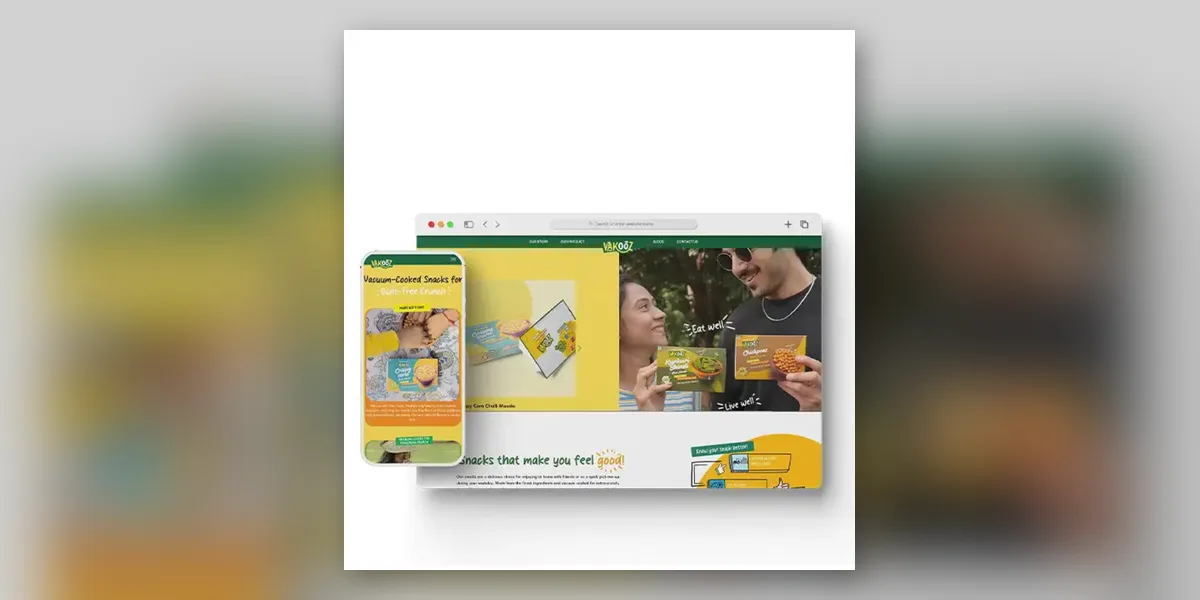
On the web side, the studio builds responsive WordPress websites. It plans the sitemap before design, gives every page one clear next step, designs mobile-first, and sets up Google Analytics so results can be tracked. Its portfolio runs from e-commerce stores and product catalogues to architecture studios, industrial firms and counselling services, and its case studies show more of how projects come together.
Every website depends on its pages, features and content, so there’s no one-size package. The services are set out on the website design page, and the team can be reached through the Mumbai studio’s contact page.
Conclusion
A good website for a small Indian business isn’t complicated. It says what the business does in one line, proves it with real photos and reviews, opens fast on a cheap phone and makes a call or a WhatsApp message one tap away.
The rest is habit. Someone checks the enquiries, someone updates the offers, someone looks at the numbers once a month. That’s the difference between a site that brings in work and one that just sits on a domain.
Build it for the contractor in Panvel with one bar of signal. Everyone else will be fine.
Common FAQs About Business Websites
What is the difference between a business website and an e-commerce website?
A business website is built to win enquiries and trust. An e-commerce site is built to take orders and payments. Many businesses start with the first and add a shop later.
What should a small business put on its homepage?
What the business does and for whom, the main services, some proof and a clear way to get in touch.
Does a small business need its own domain name?
Yes. A proper domain looks established, while a free subdomain looks temporary. Keep it short and easy to say over the phone.
Is .in or .com better for an Indian business?
.in signals a local business clearly, and .com suits brands that sell abroad too. Many businesses register both and point one to the other.
Which legal pages should a company site have?
At least a privacy policy if it collects any personal details, plus terms of use. Online sellers also need clear refund, cancellation and shipping policies. A lawyer should check the wording.
How do I know if my website is working?
Count enquiries, not just visits. If calls, WhatsApp chats and form fills grow month on month, it’s working.
Is a chatbot worth adding?
Only if it’s set up well or a real person stands behind it. A WhatsApp button that someone actually answers beats a bot that goes round in circles.
Can a business website work without a blog?
Yes. Solid service pages and a good FAQ can carry a small site for a long time. A blog earns its place once there’s something useful to say regularly.
Where is Brij Design Studio based?
In Mumbai. Its contact page has the details for starting a conversation about a project.
What other services can Brij Design Studio add to a website project?
Branding, packaging design and digital marketing. That’s handy when a business needs a new identity before its site, or wants campaigns that send people to it.


