Brij Design Studio

Labelling Requirements for Food Products

Compliance is the foundation of food safety and consumer trust. Regulatory bodies like the FDA or EFSA mandate specific mandatory labeling elements to ensure transparency. Every product must clearly display a statement of identity, the net quantity of contents, and the name and place of business of the manufacturer. Furthermore, accurate ingredient lists ordered by weight and allergen declarations (such as soy, wheat, or dairy) are non-negotiable. Following these legal standards prevents costly recalls and ensures that consumers can make informed choices based on factual product data and origin information.

Nutrition Labelling

A Nutrition Facts panel is a window into the health profile of a food product. It provides a standardized breakdown of serving sizes, caloric intake, and essential macronutrients like fats, proteins, and carbohydrates. Modern labels emphasize added sugars, dietary fiber, and daily value percentages (DV%) to help consumers manage chronic conditions like diabetes or hypertension. By providing clear nutrient density information, brands help shoppers compare products effectively. Accurate biochemical analysis and transparency in labeling are critical for promoting public health and ensuring that dietary claims like “low sodium” or “high protein”—are scientifically substantiated.

Components of a Compliant Food Label

A comprehensive label is a mosaic of essential information designed for safety and ease of use. Beyond the name and weight, it must include a legible batch number or lot code for traceability during a recall. Date marking, such as “Best Before” or “Use By” dates, is crucial for indicating shelf-life and freshness. Additionally, storage instructions ensure the product remains safe for consumption. For international trade, the country of origin must be prominent. These combined elements create a traceable supply chain, protecting the brand’s integrity and the consumer’s well-being through meticulous regulatory documentation.

Digital Label

The rise of Smart Labelling is transforming the consumer experience through technology. By integrating QR codes or NFC tags on physical packaging, brands can provide a “digital twin” of the product. This Digital Label offers unlimited space for detailed information that won’t fit on a physical sticker, such as full sourcing transparency, recipe ideas, or detailed sustainability reports. This e-labelling approach caters to the tech-savvy shopper, allowing for real-time updates to nutritional data or promotional content without the need for reprinting, thus bridging the gap between physical goods and the Internet of Things (IoT).

Sustainable Packaging & Labelling

As environmental concerns grow, Sustainable Packaging has moved from a trend to a requirement. This involves using biodegradable materials, compostable resins, or post-consumer recycled (PCR) plastics to reduce a product’s carbon footprint. Labelling plays a key role here; using eco-friendly inks (like soy-based options) and recyclable adhesives ensures the entire package is “circular.” Clear recycling symbols and disposal instructions guide consumers in reducing packaging waste. By adopting a circular economy mindset and selecting FSC-certified paper, companies demonstrate corporate social responsibility while appealing to the increasingly influential “green” consumer demographic.
Labelling Requirements for Food Products, Nutrition Labelling, Components of a Compliant Food Label, Digital Label, Sustainable Packaging & Labelling

Labelling Requirements for Food Products: Ingredients, Nutrition & Legal Guidelines

Labelling Requirements for Food Products: Ingredients, Nutrition & Legal Guidelines

In the modern food industry, a label is far more than just a sticker on a box; it is a critical bridge of trust between the producer and the consumer. Whether you are a small-scale artisanal producer or a global manufacturer, understanding the labelling requirements for food products is essential for legal compliance and consumer safety.
As of 2026, regulatory bodies like the FDA in the US, the FSA in the UK, and the European Commission have tightened rules around transparency, sustainability, and digital integration. This guide breaks down everything you need to know to stay compliant and competitive.

The Core Components of a Compliant Food Label
Labelling Requirements for Food Products, Nutrition Labelling, Components of a Compliant Food Label, Digital Label, Sustainable Packaging & Labelling
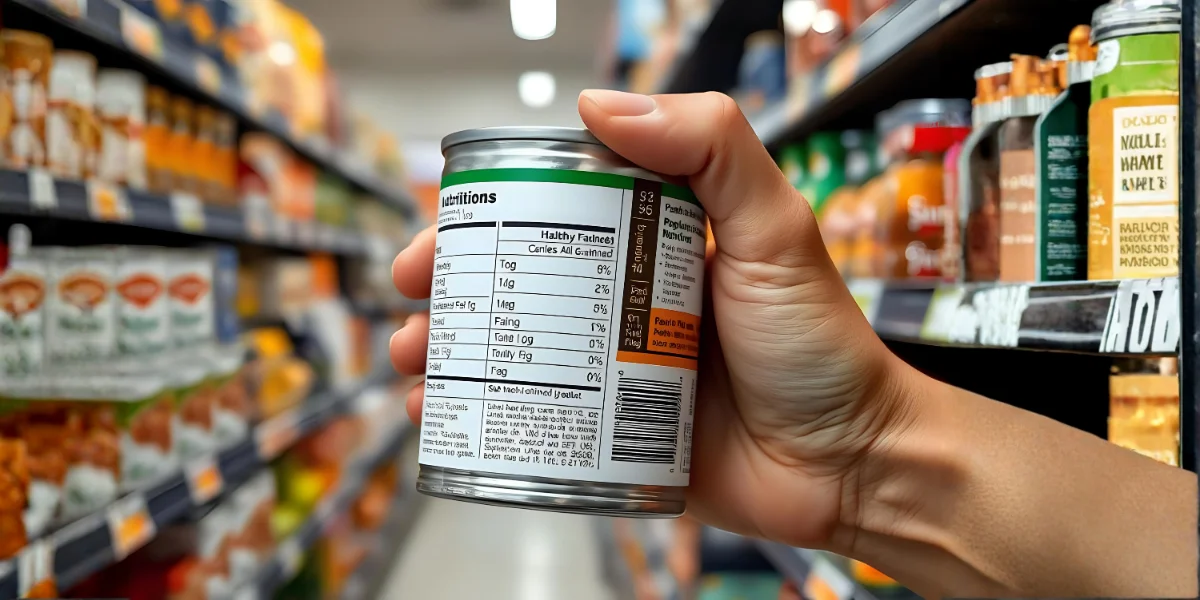
According to international standards, every food product destined for retail must include specific “mandatory” information. If you are missing even one of these, you risk costly recalls or legal penalties.

What are the mandatory labelling requirements for food products?
Labelling Requirements for Food Products, Nutrition Labelling, Components of a Compliant Food Label, Digital Label, Sustainable Packaging & Labelling
To qualify for most global markets, your label must prominently feature:
1. The Legal Name of the Food:
A name that accurately describes the product (e.g., “Whole Grain Bread” rather than just “Daily Loaf”).
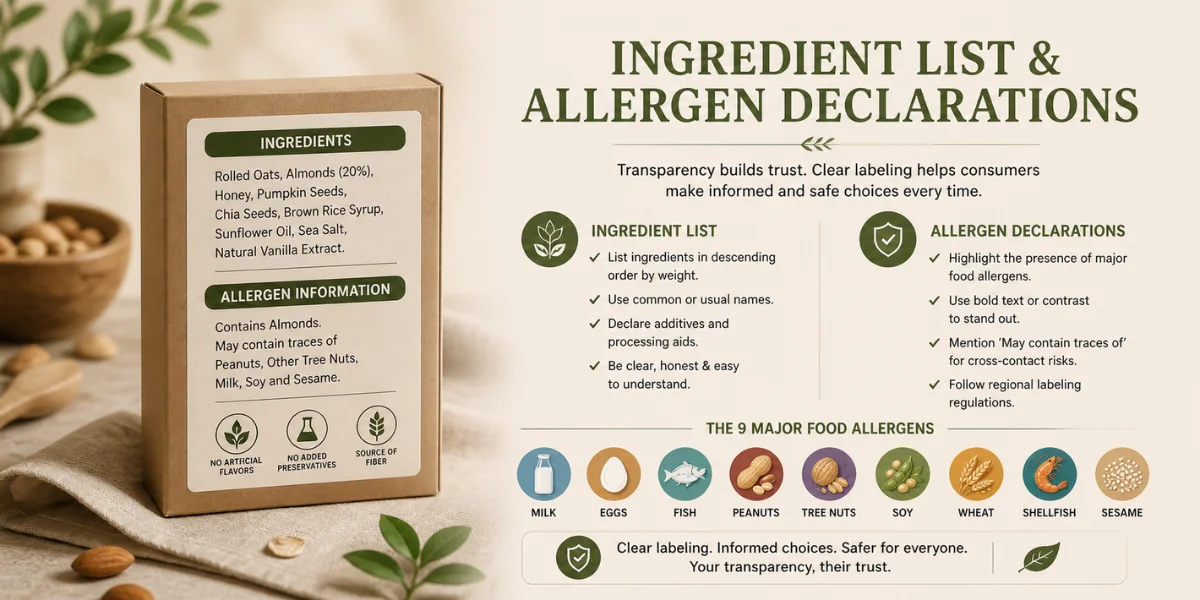
2. The List of Ingredients:
Listed in descending order of weight.
3. Allergen Information:
Clearly highlighted (usually in bold or a different color) within the ingredient list.
4. Net Quantity:
The weight or volume of the food alone, excluding packaging.
5. Date Marking:
Either a “Use By” (for safety) or “Best Before” (for quality) date.
6. Manufacturer Details:
The name and address of the business responsible for the food information.
7. Country of Origin:
Mandatory for specific items like meat, honey, and olive oil.

Master the Ingredient List & Allergen Declarations
Labelling Requirements for Food Products, Nutrition Labelling, Components of a Compliant Food Label, Digital Label, Sustainable Packaging & Labelling
The ingredient list is the most scrutinized part of your packaging. In 2026, “clean labelling” the practice of using simple, recognizable ingredients is no longer just a trend; it’s a consumer expectation.

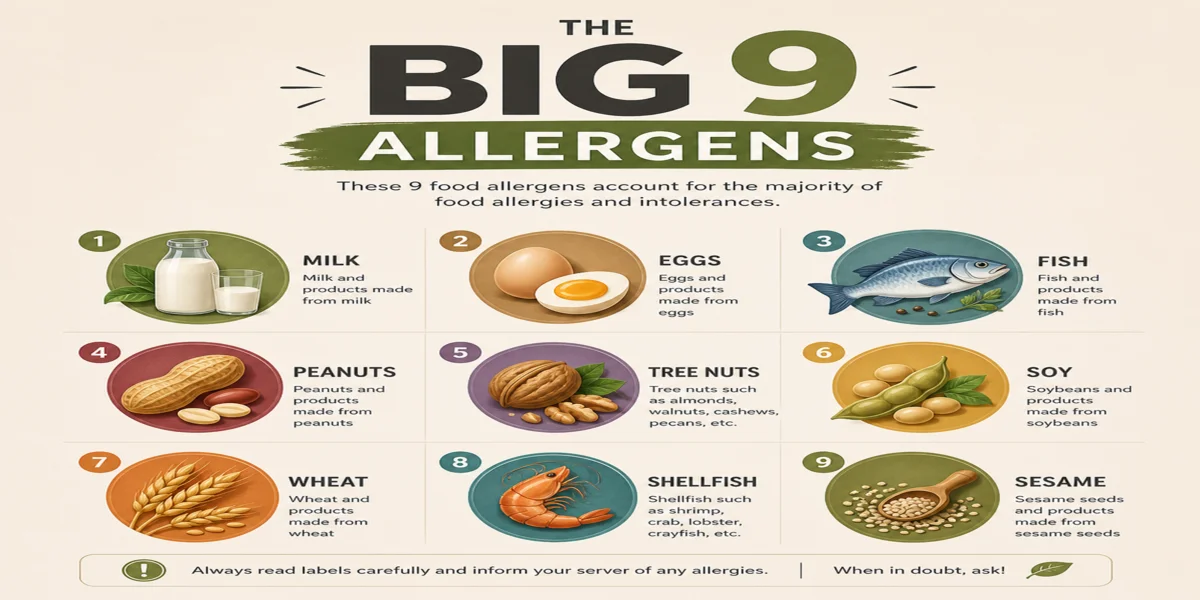
The "Big 9" Allergens

Regulations now strictly require the declaration of the nine most common allergens. These must be emphasized using a font, style, or background color that makes them stand out from the rest of the ingredients.
1. Milk
2. Eggs
3. Fish
4. Crustacean Shellfish
5. Tree Nuts (e.g., almonds, walnuts)
6. Peanuts
7. Wheat
8. Soybeans
9. Sesame (The most recent addition to many mandatory lists)
Pro-Tip:
If your product is “Free-From,” ensure you have the lab results to back it up. Misleading “Gluten-Free” or “Dairy-Free” claims are among the leading causes of food litigation in 2026.

Nutrition Labelling: Beyond the Basics
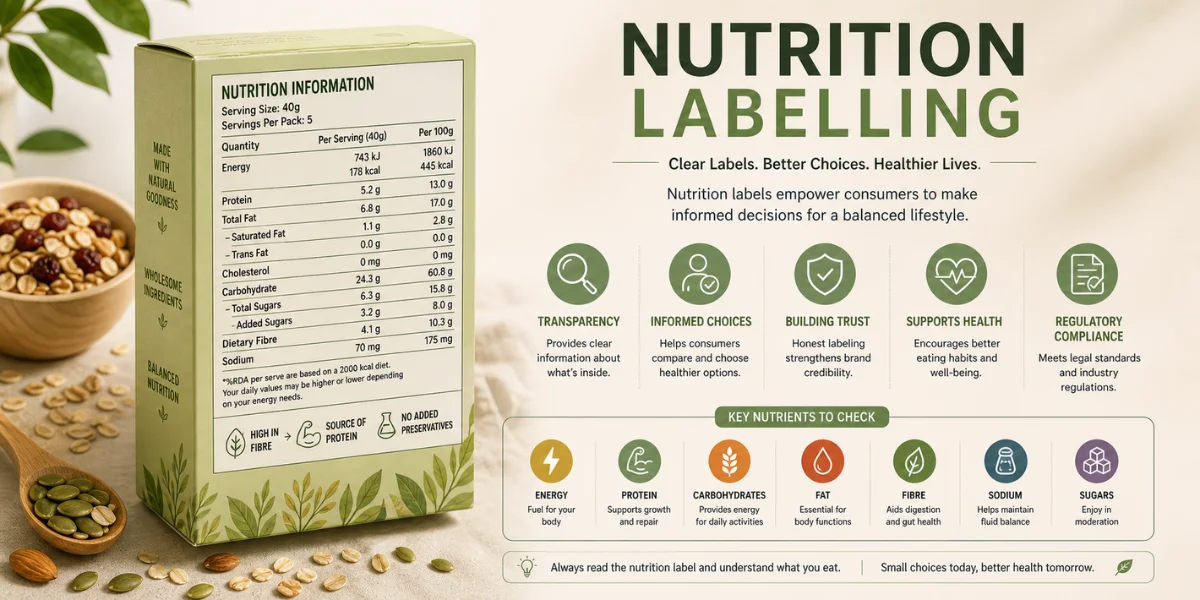
Nutrition Facts panels are undergoing a transformation. Regulators are moving toward “Front-of-Pack” (FOP) labelling to help consumers make split-second healthy choices.

The Nutrition Table Requirements

In most jurisdictions, you must provide a table (usually on the back or side) detailing the following per 100g or 100ml:
1. Energy Value:
Expressed in both kJ (kilojoules) and kcal (calories).
2. Fat Content:
Including a sub-total for saturated fats.
3. Carbohydrates:
Including a sub-total for sugars.
4. Protein & Salt:
Accurate to the nearest decimal point.

New for 2026: Added Sugars & Natural Alternatives

Recent updates to labelling requirements for food products now place a heavy emphasis on “Added Sugars.” With the 2026 shift toward natural alternatives, many regions now require a distinction between naturally occurring sugars (like those in fruit) and syrups or sweeteners added during processing.

Legal Guidelines and Regional Variations
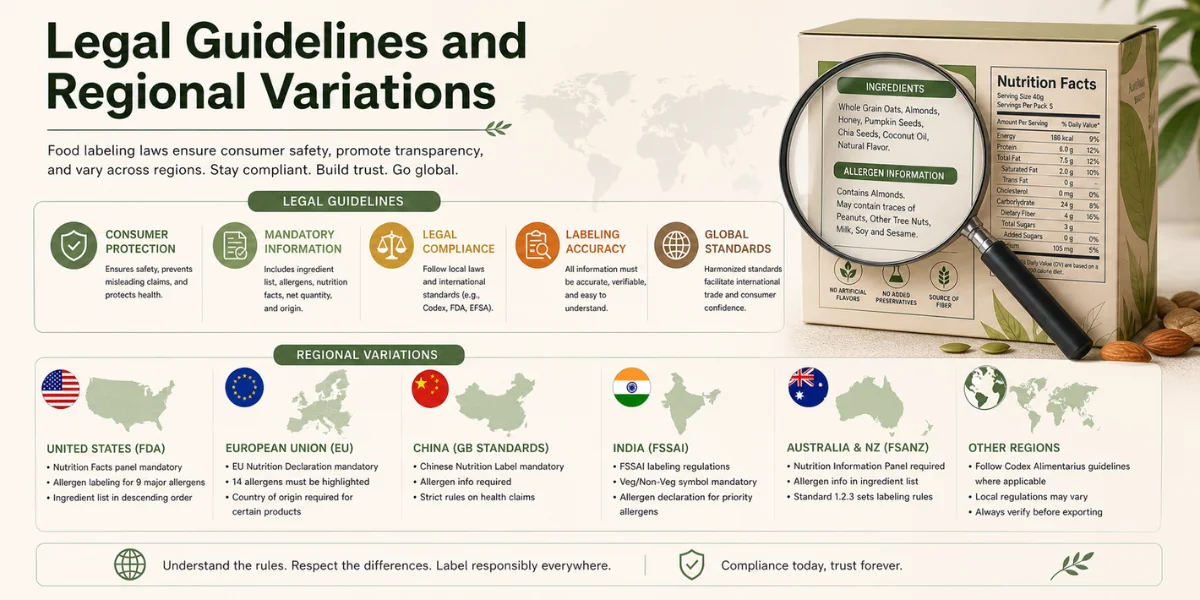
While the basics are similar, the “fine print” changes depending on where you sell.

Feature

United States (FDA)

European Union (EU)

United Kingdom (UK)

Allergen Highlighting

"Contains" statement or bolding.

Mandatory bolding in list.

Mandatory bolding in list.

Added Sugar

Must be declared.

Included in total sugars.

Included in total sugars.

QR Codes

Allowed for extra info.

Increasing use for EPR.

Allowed for calorie info.

Date Format

MM/DD/YYYY

DD/MM/YYYY

DD/MM/YYYY

The 2026 "Digital Label" Revolution

A major shift this year is the move toward Smart Labels. Many regulators now allow (or encourage) the use of QR codes on packaging. These codes can link to:
1. Full traceability data (from farm to fork).
2. Detailed recycling instructions (Extended Producer Responsibility).
3. Extended “How to Use” videos or recipes.

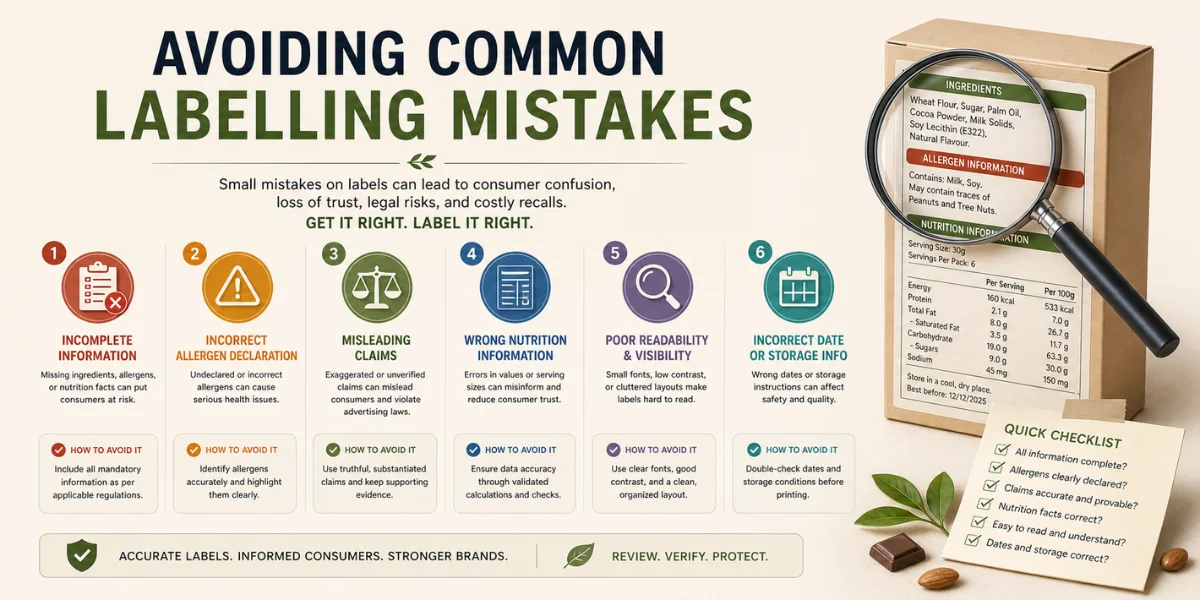
Avoiding Common Labelling Mistakes

Even seasoned brands can fall into “misbranding” traps. To stay safe, avoid these three common errors:
1. Vague Descriptive Names:
You cannot call a product “Chocolate Bars” if it doesn’t meet the legal minimum of cocoa solids. It must be called “Chocolate Flavored Bars.”
2. Hidden Allergens in “Flavors”:
If your “Natural Flavorings” contain barley or soy, you must declare the allergen source.
3. Illegible Text:
There are strict minimum font sizes (usually 1.2mm based on the height of a lowercase “x”). If a consumer needs a magnifying glass to read your ingredients, you are out of compliance.

Sustainable Packaging & Labelling

In 2026, the label doesn’t just tell you what’s in the food; it tells you what to do with the wrap. New Extended Producer Responsibility (EPR) laws mean your label must now include clear pictograms regarding the recyclability of the packaging material. Using “compostable” or “recyclable” claims without certified logos can lead to heavy “Greenwashing” fines.

Conclusion: Compliance as a Competitive Edge

Navigating the labelling requirements for food products can feel like a maze of technicalities, but it is ultimately about transparency. A clear, honest, and compliant label doesn’t just keep the inspectors away it builds a loyal customer base that feels safe buying your brand.
As regulations continue to evolve with technology and health science, staying informed is your best strategy. When in doubt, always consult with a food safety auditor to ensure your packaging is ready for the 2026 market.

FAQ's

Under the Food Safety and Standards (Labelling and Display) Regulations, all pre-packaged food must display:

  • Product Identity: Name of food and Veg/Non-Veg logo (on the front).
  • Ingredients & Nutrition: Full ingredient list in descending order and a nutritional facts table (including energy, fats, and sugars).
  • Safety Info: Allergen declarations in bold and clear “Use By” or “Expiry” dates.
  • Compliance: FSSAI Logo and 14-digit License Number.
  • Traceability: Batch/Lot number and full name/address of the manufacturer.
  • Net Quantity: Weight or volume of the contents.

Food labelling is necessary to protect consumer health and ensure fair trade. It provides essential information regarding ingredients, allergens, and expiration dates to prevent illness, while nutritional data helps consumers manage dietary needs. Additionally, it ensures legal accountability and enables rapid product recalls through batch tracking.

It must be on the label in a contrasting color, accompanied by the FSSAI logo.

No. “Expiry/Use By” is a safety limit, while “Best Before” refers to peak quality and taste.

Yes. Common allergens like nuts, milk, or soy must be declared in bold or in a “Contains” statement.

Yes. All imported food must comply with FSSAI labelling, often via a non-detachable sticker (rectifiable label) before customs clearance.

The name of the food and the Veg/Non-Veg symbol must be on the Principal Display Panel (the front) to be visible at first glance.