Packaging trends 2026 show that packaging is no longer simply a protective layer around a product. In 2026, it has become an important part of brand identity, customer experience, product differentiation, and business growth. As consumers become more selective and competition increases across retail and e-commerce, brands are rethinking how packaging looks, communicates, functions, and performs.
The biggest packaging trends 2026 are moving toward purposeful minimalism, stronger brand storytelling, sustainable materials, bold typography, tactile experiences, personalization, and packaging systems designed for both physical shelves and digital discovery.
For brands planning a packaging redesign, understanding these packaging design trends can help create packaging that is visually distinctive, strategically relevant, and adaptable for future growth.

What Are the Biggest Packaging Trends in 2026?
The major packaging trends 2026 focus on making packaging more recognizable, functional, sustainable, and emotionally engaging.
Bold typography and expressive lettering
Sustainable and responsible packaging
Tactile and sensory packaging experiences
Authentic storytelling and brand narratives
Personalization and limited-edition packaging
Flexible packaging formats
Modular packaging systems
Digital-first packaging design
Stronger shelf differentiation
AI-assisted packaging development
Packaging designed for e-commerce and social media
The important shift is that brands are moving away from packaging that simply “looks attractive” toward strategic packaging design that supports recognition, usability, positioning, and customer connection.
What are the top packaging trends in 2026?
The top packaging trends 2026 include minimalism, sustainability, bold typography, tactile experiences, personalization, storytelling, flexible formats, and digital-first design.
Why are packaging trends important for brands?
Packaging trends help brands respond to changing consumer expectations, improve differentiation, and create more relevant product experiences.
What is changing in packaging design in 2026?
Packaging design is becoming more strategic, combining visual identity, functionality, sustainability, storytelling, and digital experiences.
Are packaging trends different for different industries?
Yes. Food, beverages, cosmetics, personal care, pharmaceuticals, fashion, and consumer goods can require different packaging approaches.
Should every brand follow packaging trends?
No. Brands should adopt trends selectively and prioritize choices that support their positioning, audience, product, and long-term identity.

1. Minimalist Packaging With a Stronger Purpose
Minimalism continues to influence packaging design in 2026, but it is becoming more purposeful.
Instead of simply reducing visual elements, brands are using minimalism to improve hierarchy, readability, recognition, and product communication.
Clean layouts
Strong typography
Clear product information
Generous negative space
Simplified graphics
Distinctive brand marks
The objective is not to make packaging empty. It is to make the important information easier to notice and understand.
For brands competing on crowded shelves or online marketplaces, clear packaging hierarchy can help customers quickly identify the brand, product category, variant, and key benefit.
Is minimalist packaging still popular in 2026?
Yes. Minimalism remains an important packaging design trend, particularly when it improves clarity and brand recognition.
What makes minimalist packaging effective?
Effective minimalist packaging uses fewer elements while maintaining strong hierarchy, readability, differentiation, and brand identity.
Is minimalist packaging suitable for every product?
Not necessarily. The design should reflect the product category, audience, positioning, and competitive environment.
Does minimal packaging mean using fewer colors?
Not always. Minimalism is primarily about clarity and intentionality rather than simply reducing the number of colors.
Can minimalist packaging look premium?
Yes. Strategic typography, spacing, materials, color selection, and finishing techniques can create a premium packaging experience.

2. Bold Typography Is Becoming a Packaging Hero
Typography is becoming one of the most powerful tools in packaging design trends 2026.
Brands are increasingly using oversized headlines, distinctive typefaces, expressive lettering, and strong typographic hierarchy to make products recognizable.
Product category
Product benefits
Premium positioning
Youthful energy
Confidence
Modernity
For example, a playful consumer brand may use expressive typography, while a premium skincare brand may use restrained typography with sophisticated spacing.
Typography should therefore be treated as part of the brand identity, rather than simply an information-delivery tool.
Why is typography important in packaging design?
Typography helps communicate brand personality, product information, positioning, and visual hierarchy.
What typography works well for packaging?
The best typography depends on the brand, audience, product category, and positioning.
Can bold typography improve shelf visibility?
Yes. Strong typographic hierarchy can help important information stand out in competitive retail environments.
Should packaging use multiple fonts?
Usually, a controlled type system works better than using many unrelated fonts.
Can typography make packaging look premium?
Yes. Carefully selected typefaces, spacing, scale, and composition can significantly influence perceived quality.
3. Sustainable Packaging Is Becoming a Design Requirement
Sustainable packaging continues to influence both material choices and visual communication in 2026.
Consumers and businesses are paying greater attention to packaging waste, material efficiency, recyclability, and responsible sourcing.
However, sustainability should not be treated only as an aesthetic trend.
Recyclability
Reusability
Reduced unnecessary components
Responsible material selection
Clear disposal information
Efficient packaging structures
Reduced excess packaging
From a design perspective, brands can communicate sustainability without relying exclusively on stereotypical green colors, leaves, or environmental imagery.
The strongest approach connects sustainable packaging choices with authentic brand values.
Is sustainable packaging a major trend in 2026?
Yes. Sustainability continues to influence packaging materials, structures, production decisions, and consumer expectations.
What is sustainable packaging?
Sustainable packaging aims to reduce environmental impact through considerations such as material efficiency, recyclability, reuse, and responsible sourcing.
Does sustainable packaging have to look natural?
No. Sustainable packaging can use almost any visual style if its material and production choices support the intended sustainability goals.
Can premium brands use sustainable packaging?
Yes. Sustainable materials and responsible packaging structures can be incorporated into sophisticated premium packaging.
How can brands communicate sustainability on packaging?
Brands can use accurate material information, certifications where applicable, clear disposal guidance, and transparent messaging.
4. Tactile and Sensory Packaging Experiences
In a highly digital world, physical interaction can become a powerful differentiator.
This is why tactile packaging is emerging as an important packaging design direction for 2026.
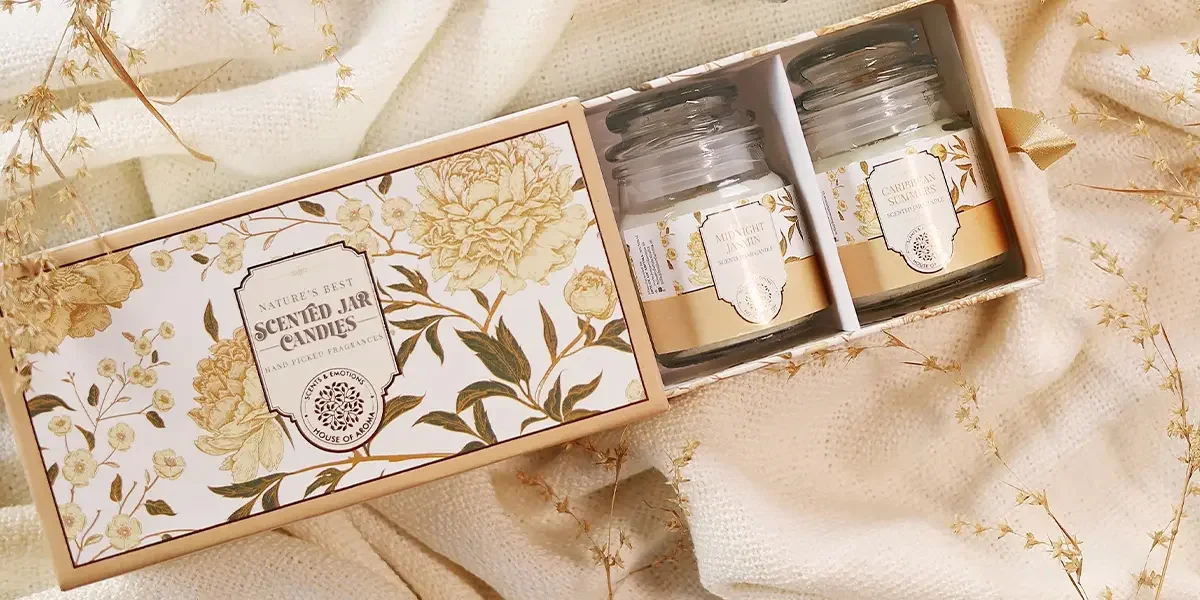
Texture, embossing, debossing, unusual materials, special finishes, structural details, and opening experiences can make packaging more memorable.
Beauty and skincare
Premium foods
Gifts
Specialty beverages
Fashion accessories
High-value consumer products
The goal is to create packaging that communicates quality before the customer even uses the product.
What is tactile packaging?
Tactile packaging uses physical textures, finishes, materials, or structures to create a distinctive sensory experience.
Why is tactile packaging becoming popular?
It gives consumers a physical interaction that can strengthen product perception and brand memorability.
What are examples of tactile packaging?
Embossing, debossing, textured paper, soft-touch finishes, unique closures, structural details, and specialty materials are examples.
Is tactile packaging suitable for mass-market products?
It can be, provided the tactile element is cost-effective and supports the product’s positioning.
Can tactile packaging communicate luxury?
Yes. Premium textures, finishes, materials, and structural details can contribute to a luxury perception.
5. Storytelling Is Becoming More Important on Packaging
Consumers increasingly want to understand the story behind products and brands.
As a result, packaging storytelling is becoming a significant part of modern packaging design.
How it is made
Why the brand exists
What makes the product different
Ingredient or material stories
Founder stories
Cultural inspiration
Sustainability initiatives
Good packaging storytelling should not overwhelm customers with information.
Instead, designers can create a clear hierarchy where the most important message is immediately visible and supporting details are available for customers who want to explore further.
What is packaging storytelling?
Packaging storytelling uses design and content to communicate a product or brand’s origin, values, purpose, or distinctive qualities.
Why is storytelling important in packaging?
It can create emotional connection and give customers additional reasons to understand and remember a brand.
How much information should packaging contain?
Packaging should provide necessary information clearly while prioritizing the messages most relevant to purchase decisions.
Can storytelling make packaging more memorable?
Yes. A distinctive and relevant story can strengthen emotional association and brand recall.
Should every package tell a long story?
No. Effective storytelling can be communicated through a short message, visual narrative, illustration, product detail, or carefully structured information.

6. Personalization and Limited-Edition Packaging
Personalized packaging is becoming an increasingly useful strategy for creating excitement and stronger consumer engagement.
Regional editions
Seasonal designs
Special events
Limited-edition artwork
Festival packaging
Collaborations
Collectible designs
Limited-edition packaging can also create urgency and encourage customers to engage with a product beyond its functional purpose.
For larger brands, packaging systems can be designed so that seasonal or campaign-specific artwork can change while core brand recognition remains consistent.
What is personalized packaging?
Personalized packaging adapts packaging design or messaging for specific customers, occasions, regions, campaigns, or product editions.
Why do brands use personalized packaging?
It can increase engagement, create novelty, support campaigns, and make products feel more relevant to specific audiences.
What is limited-edition packaging?
It is packaging produced for a specific period, event, campaign, collaboration, or special product release.
Can small brands use personalized packaging?
Yes. Small brands can use seasonal designs, handwritten elements, custom labels, or small-batch editions.
How can brands personalize packaging without losing identity?
Maintain core brand elements such as logo structure, typography, color relationships, and recognizable design assets while changing campaign-specific elements.
7. Flexible Packaging Continues to Grow
Flexible formats remain an important part of packaging trends 2026, particularly for food, snacks, beverages, personal care, and household products.
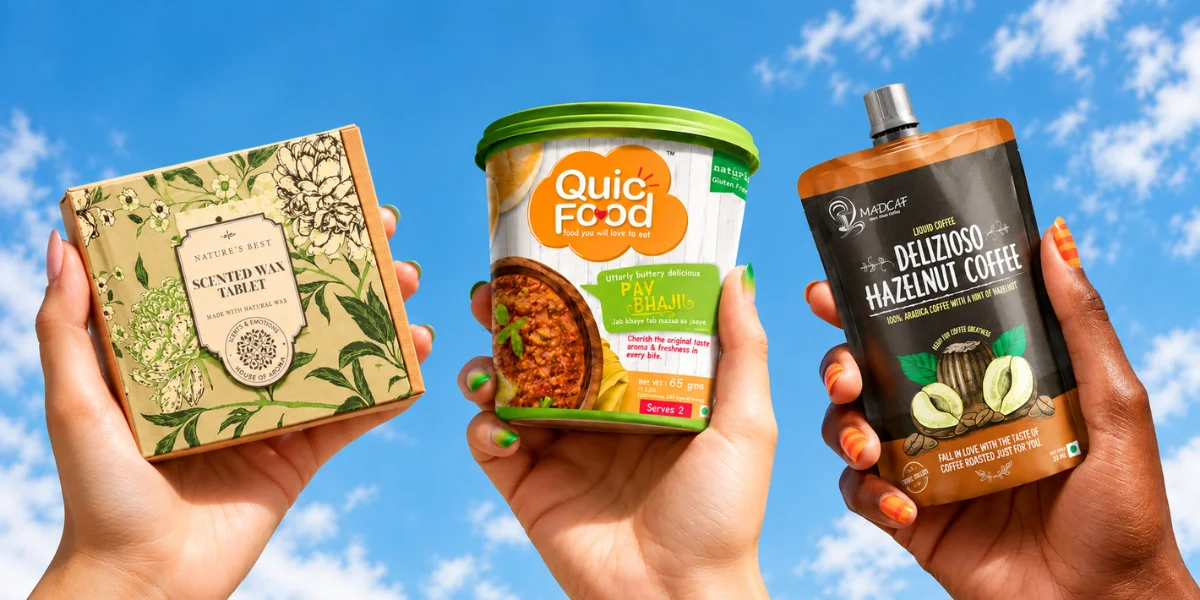
Pouches, sachets, stand-up bags, refill packs, and other flexible formats can offer advantages in convenience, storage, transport, and product presentation.
For packaging designers, flexible formats also create opportunities for stronger visual systems.
Brand visibility
Product naming
Variant differentiation
Nutrition or regulatory information
Icons and illustrations
Shelf visibility
E-commerce visibility
Print limitations
The challenge is balancing visual impact with practical requirements.
What is flexible packaging?
Flexible packaging uses materials that can bend or adapt in form, including pouches, sachets, wraps, and flexible bags.
Why is flexible packaging popular?
Its flexibility can support convenience, efficient storage, product protection, and practical handling.
Is pouch design important for brand differentiation?
Yes. A distinctive pouch design can improve shelf recognition and help communicate product positioning.
What makes effective pouch packaging?
Clear hierarchy, strong branding, readable information, appropriate graphics, variant differentiation, and practical usability are important.
Can flexible packaging look premium?
Yes. Typography, structure, finishes, graphics, and material choices can create premium-looking flexible packaging.
8. Packaging Design for E-Commerce and Digital Discovery
Packaging is no longer designed only for physical shelves.
Products are increasingly discovered through websites, marketplaces, social media, digital advertisements, and short-form video.
This means e-commerce packaging design needs to work at multiple scales.
Displayed on a retail shelf
Shown as a small marketplace thumbnail
Featured in social media content
Seen in influencer videos
Photographed for an online store
Strong branding, simple hierarchy, recognizable color systems, and distinctive shapes can help packaging remain identifiable across digital environments.
Why does packaging need to work for e-commerce?
Because many customers discover products online before seeing the physical package in person.
What makes packaging effective online?
Strong branding, readable typography, distinctive visual assets, and clear product communication help packaging perform digitally.
Should packaging be designed differently for online sales?
The core identity can remain consistent, but designers should consider how the package appears in thumbnails, product photography, and digital advertising.
Does packaging photography affect online product sales?
Yes. Clear and professional product imagery can help customers understand and evaluate packaging and products online.
How can packaging stand out in an online marketplace?
Use recognizable brand assets, strong visual hierarchy, clear product naming, and distinctive packaging design.
9. Modular Packaging Systems for Growing Product Lines
As brands expand their product portfolios, maintaining consistency becomes more challenging.
A modular packaging design system can solve this problem.
Typography rules
Color architecture
Product naming hierarchy
Icon systems
Illustration styles
Photography direction
Variant coding
Information hierarchy
This allows new products and variants to feel like part of the same family.
A modular approach is particularly valuable for brands planning future product expansion.
What is a modular packaging system?
It is a flexible packaging framework that allows different products to share consistent brand elements while maintaining individual differentiation.
Why do growing brands need packaging systems?
Systems help maintain consistency as product ranges, variants, markets, and packaging formats expand.
Can packaging systems support new product launches?
Yes. A well-designed system can make new products easier to integrate into an existing portfolio.
Does consistent packaging mean every product should look identical?
No. Products should share recognizable brand assets while having enough differentiation to help customers identify variants.
What should a packaging system include?
It can include typography, colors, layouts, imagery, icons, product hierarchy, variant rules, and brand guidelines.

10. AI Is Influencing the Future of Packaging Design
AI is becoming another tool within the packaging design process.
Design teams can use AI-assisted tools for brainstorming, visual exploration, trend research, concept development, and content organization.
However, AI should support rather than replace strategic packaging thinking.
Consumer understanding
Design strategy
Production feasibility
Regulatory requirements
Print considerations
Structural decisions
Cultural relevance
Brand differentiation
The future of packaging is therefore likely to combine AI-assisted exploration with human-led strategy and creative direction.
How is AI changing packaging design?
AI can accelerate ideation, concept exploration, visual experimentation, and certain research and production workflows.
Can AI design packaging by itself?
AI can generate concepts, but successful packaging requires strategic decisions, technical knowledge, brand understanding, and human review.
Does AI make packaging design faster?
It can accelerate early-stage exploration and help teams evaluate more creative directions efficiently.
Can AI replace packaging designers?
AI is a tool rather than a complete replacement for strategic and creative expertise.
What should designers consider when using AI for packaging?
They should consider brand consistency, originality, production feasibility, intellectual property, accuracy, cultural context, and technical requirements.

How Brands Can Prepare for Packaging Trends 2026
Following every trend is not the right strategy.
Instead, brands should identify which packaging design trends directly support their growth objectives.
Before redesigning packaging, ask:
1Does the packaging clearly communicate the brand?
Customers should be able to identify the brand quickly.
2Is the product easy to understand?
Product category, name, variant, and key benefit should have a clear hierarchy.
3Does the packaging differentiate the product?
Analyze competing products and identify opportunities for stronger visual distinction.
4Is the design scalable?
Consider future variants, product extensions, different sizes, and multiple packaging formats.
5Does it work digitally?
Test how the package appears in product listings, thumbnails, social media, and digital advertising.
6Does the packaging reflect the brand personality?
Packaging should be consistent with the brand’s overall visual identity and positioning.
Should brands redesign packaging every year?
No. Packaging should be updated when there is a strategic reason, such as repositioning, market change, portfolio expansion, or changing customer needs.
How can a brand decide which packaging trend to follow?
Evaluate each trend against brand strategy, target audience, category expectations, budget, production requirements, and long-term relevance.
What should brands prioritize over packaging trends?
Brand recognition, product clarity, differentiation, functionality, usability, and strategic consistency should come first.
How can brands future-proof packaging design?
Create scalable design systems that can accommodate new products, variants, formats, channels, and market requirements.
When should a brand consider a packaging redesign?
A redesign may be appropriate when packaging no longer reflects the brand, performs poorly against competitors, creates confusion, or cannot support future product growth.

How Packaging Design Can Support Future Brand Growth
The best packaging design does more than make a product look attractive. It creates a recognizable visual language that can grow with the business.
Create stronger shelf presence
Communicate positioning
Build brand consistency
Differentiate product variants
Support product launches
Improve digital visibility
Strengthen customer experience
Communicate brand values
Create memorable product experiences
In 2026, packaging should be viewed as a strategic brand asset rather than an isolated design project.
The brands most likely to benefit from future packaging trends will be those that combine creativity with strategy, functionality, customer understanding, and a strong sense of identity.
Why Choose Brij Design Studio for Packaging Design?
Brij Design Studio helps brands create distinctive and strategically driven packaging design that connects brand identity with customer expectations.
From pouch designing and product packaging to labels, boxes, and broader packaging design systems, the focus is on creating designs that are visually engaging, commercially relevant, and aligned with the brand’s positioning.
A strong packaging project requires more than attractive graphics. It requires understanding the product, audience, competition, brand personality, communication hierarchy, and practical packaging requirements.
Brij Design Studio can help brands translate these considerations into cohesive packaging design solutions that support recognition and future growth.
Whether a brand is launching a new product, refreshing an existing package, expanding its product range, or building a stronger visual identity, strategic packaging design can become an important part of its growth journey.
Final Takeaway
The biggest packaging trends 2026 are not about following visual fashion blindly. They reflect a larger shift toward packaging that is clearer, more distinctive, sustainable, experiential, adaptable, and digitally relevant.
From minimalist layouts and bold typography to tactile finishes, personalized experiences, flexible formats, modular systems, and AI-assisted design, the future of packaging design is increasingly strategic.
For brands, the opportunity is clear: use packaging design trends as a starting point, but build a packaging identity that is distinctive enough to remain relevant beyond a single trend cycle.
The future of packaging belongs to brands that design not just for today’s shelf, but for tomorrow’s customer experience.
What will packaging look like in 2026?
Packaging in 2026 is expected to become more distinctive, functional, sustainable, interactive, and digitally adaptable, with brands focusing on stronger visual identities and better customer experiences.
What is the future of packaging design?
The future of packaging design is moving toward sustainable materials, flexible formats, personalization, memorable experiences, scalable design systems, and packaging that performs across both physical and digital channels.
Which packaging materials are becoming more popular in 2026?
Materials that support recyclability, material efficiency, reusability, and responsible sourcing are gaining greater attention as brands respond to sustainability expectations.
How can packaging increase product visibility?
Strong branding, clear information hierarchy, distinctive typography, strategic color use, recognizable graphics, and unique structural elements can help packaging attract attention.
What packaging trends are popular in the food industry?
Food packaging is increasingly incorporating convenient formats, clear product communication, distinctive branding, sustainable considerations, resealable structures, and visually engaging designs.
How do packaging trends affect consumer buying decisions?
Packaging can influence first impressions, product understanding, perceived quality, brand recognition, and emotional connection, all of which can contribute to purchase consideration.
How much does packaging design contribute to brand identity?
Packaging can be a major expression of brand identity, especially for consumer products because customers repeatedly encounter the packaging before, during, and after purchase.
How can startups use packaging trends without overspending?
Startups can focus on a strong brand foundation, effective information hierarchy, scalable packaging systems, and selective use of high-impact design elements rather than adopting every trend.
How can packaging help a new product stand out?
A new product can use distinctive visual identity, clear positioning, memorable graphics, strong product naming, and competitor-aware packaging design to establish recognition.
How often should packaging trends be reviewed by a brand?
Brands can review Packaging Trends 2026 and broader market developments periodically, but packaging changes should be based on business goals, consumer behavior, competition, and brand strategy rather than trends alone.