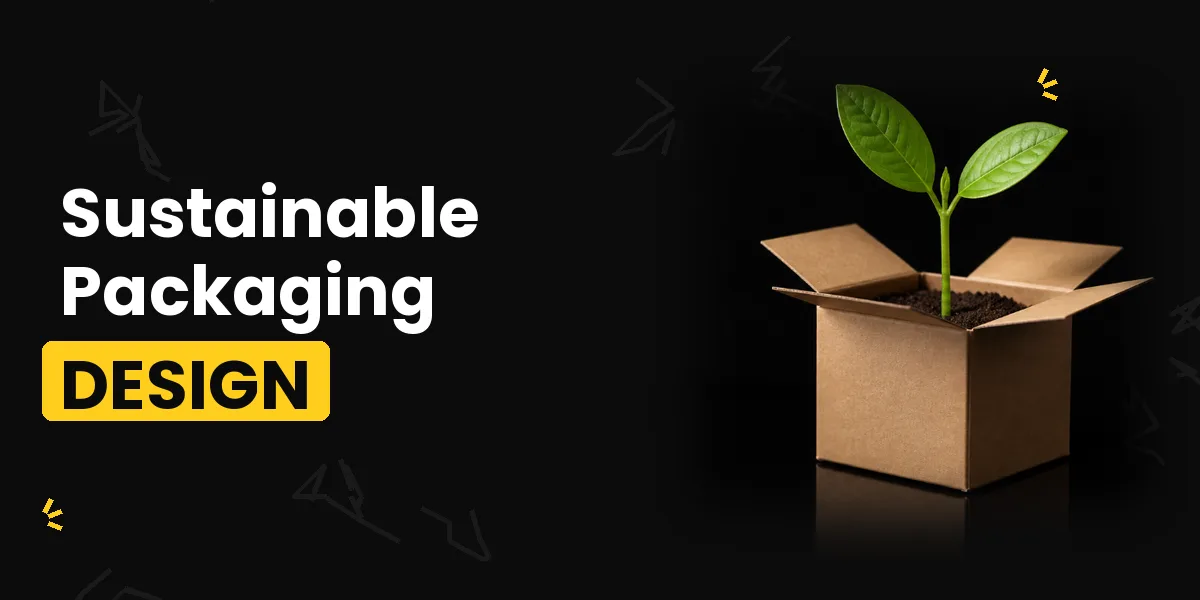
Sustainable packaging design usually begins with an uncomfortable question: does this pack need to be this big, this heavy and made of this many layers? A Pune tea brand once found the answer was no. The carton, the plastic sleeve and the inner foil were all doing the same job three times over.
Brands are under pressure from two sides now. Shoppers read the back of the pack and ask what it is made of. Rules around packaging waste are getting stricter. Yet “going green” is easy to say and hard to do well, and plenty of packs that claim to be eco-friendly aren’t.
This guide explains what sustainable packaging design really means, the principles behind it, the materials worth knowing, a step-by-step way to build a greener pack and the mistakes that make a pack look green while acting otherwise.
What Is Sustainable Packaging Design?
Sustainable packaging design is the practice of planning a pack so it uses fewer resources, creates less waste and can be reused, recycled or returned to nature, while still protecting the product and looking good. It is a design decision, not just a material choice.
The key word is “design”. A pack made from paper can still be wasteful if it is oversized or glued to plastic. A pack made from plastic can be sensible if it uses one material, holds the product with very little film and can actually be recycled where the shopper lives.
So the question is never only “which material?”. It is also “how much?”, “how will it be used?” and “where will it end up?”. These three questions guide every choice that follows.
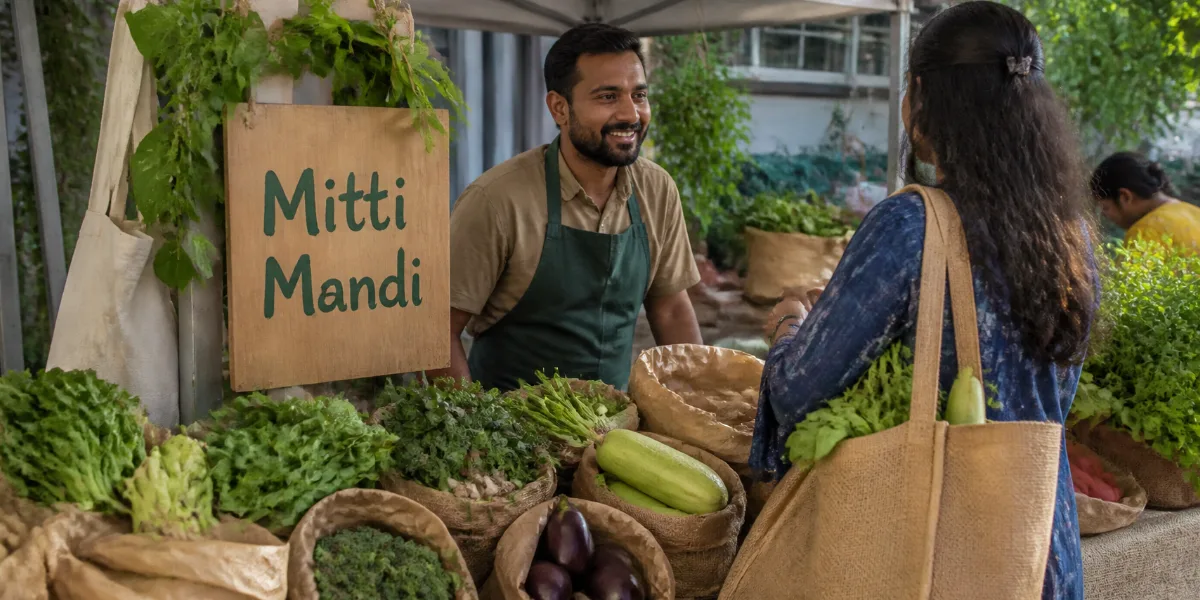
There is plenty of old wisdom here. Indian markets have long used leaf plates, paper cones, jute bags and clay pots. Sustainable packaging design takes that practical spirit and applies it to modern shelves and quick-commerce deliveries.
FAQs: What Is Sustainable Packaging Design?
What does sustainable packaging mean?
Packaging that uses less material, creates less waste and can be reused, recycled or composted, without letting the product spoil or break.
Is sustainable packaging the same as eco-friendly packaging?
The words are used interchangeably. “Sustainable” suggests a wider view, including how the pack is made, shipped and disposed of, not just what it is made from.
Can sustainable packaging still look premium?
Yes. Clean paper, restrained colours and good print can look as upmarket as any other pack.
What kind of sustainable packaging work does Brij Design Studio do?
Brij Design Studio designs packaging for brands and can take material choices into account during a project. The studio also has this guide as a starting point for brands that want a greener pack.
Why Does Sustainable Packaging Design Matter for Brands?
Sustainable packaging design matters because shoppers, retailers and regulators are all paying more attention to packaging waste, and a brand that plans for it early avoids expensive changes later.
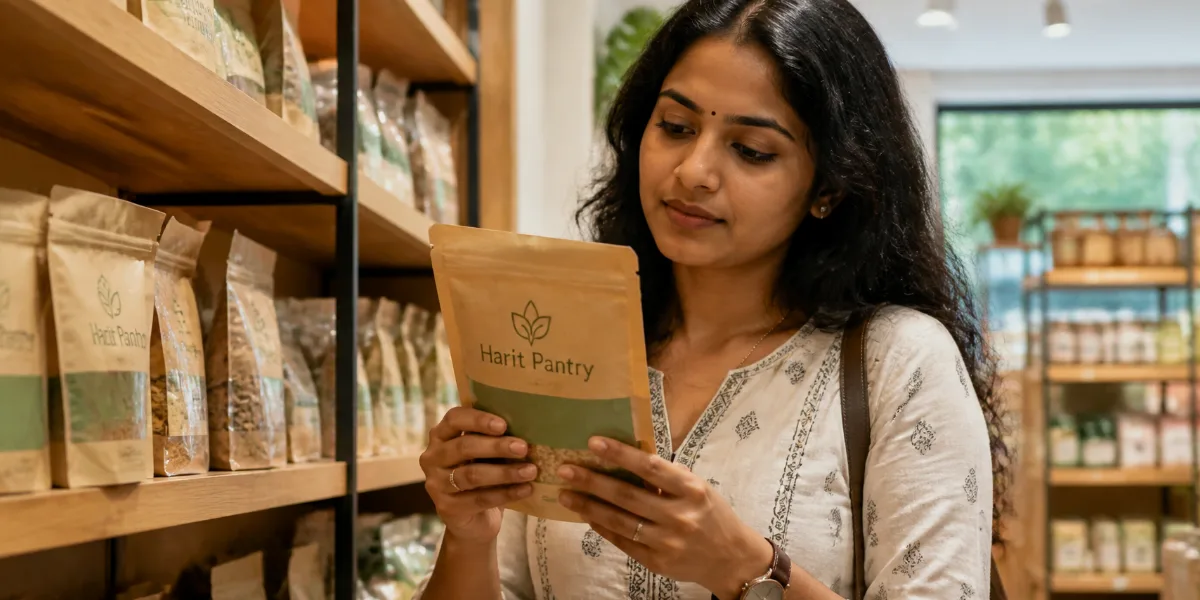
It also affects trust. When a shopper in Bengaluru turns a pouch over and finds clear instructions on how to dispose of it, the brand looks honest. When the back of the pack is silent or vague, people notice.
The practical benefits are easy to list:
- Less material often means lower cost per pack once designed well, and less to carry and store.
- A clear green story helps the brand with shoppers who care.
- Easier recycling reduces risk if packaging rules change.
- Lighter packs usually cost less to ship.
It is not a magic sales switch, though. People still buy on taste, price and looks first. Sustainability works best as a quiet extra that makes a good product easier to choose.
FAQs: Why Sustainable Packaging Matters
Do customers care about sustainable packaging?
Many do, especially younger shoppers and families. But they also expect the pack to protect the product and look appealing.
Does sustainable packaging cost more?
It depends on the material, format and print run. Some options cost more, and some save money by using less material. It is best to compare real quotes for your own pack.
Will packaging rules for brands get stricter?
The direction is towards more responsibility for brands. It is wise to check current rules for your product and market, and to plan for change.
Which kinds of brands has Brij Design Studio worked with?
The studio’s case studies include food, dairy and confectionery packs. You can see them on the case studies page.
What Are the Main Principles of Sustainable Packaging?
The main principles are to use less, choose materials that can be recycled or reused, keep the pack to a single material where possible and be honest about what the pack is and how to dispose of it.
1Use Less
Right-size the pack. Cut extra layers, inserts and empty space. The greenest material is often the one not used.
2Choose Materials That Have a Next Life
Materials that can be recycled where the shopper lives, or reused, have a better chance of staying out of landfill.
3Keep It Simple
Mixed layers of paper, plastic and foil are hard to separate. One material, or materials that come apart easily, work better.
4Protect the Product
A pack that fails creates waste of its own. Food spoiled in a thin pack is a worse result than a slightly stronger pack.
5Say It Honestly
Explain what the pack is made of and how to dispose of it, in plain words, with no vague green claims.
The idea behind these principles is the circular economy, where materials are kept in use for as long as possible. WRAP, a climate charity, explains it clearly.
FAQs: Principles of Sustainable Packaging
What does “right-sizing” a pack mean?
Making the pack as small and light as it can be while still protecting the product, without lots of empty space inside.
Why are mixed-material packs hard to recycle?
Because the layers, such as paper, plastic and foil, are stuck together and are difficult to separate in a normal recycling process.
Is reusable packaging better than recyclable?
Often yes, if it is actually reused many times. If it is used once and thrown away, a lighter recyclable pack may do better.
Does Brij Design Studio design packs with these principles in mind?
The studio plans each pack around the product, the shopper and the real production process, and material choices can be discussed as part of that work.
Which Materials Work for Sustainable Packaging?
Common sustainable packaging materials include paper and board, glass, metal, recycled content, single-material plastic films and plant-based or compostable materials. None is perfect for every product, so the choice depends on what the pack has to do.
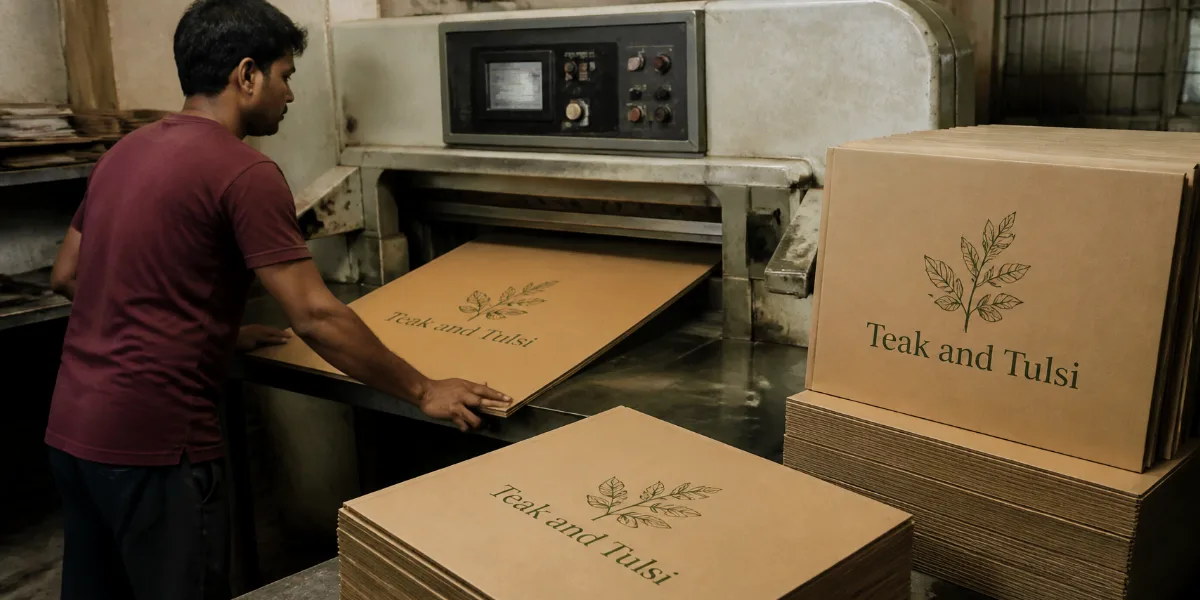
- Paper and board: easy to print and widely recycled. Watch out for plastic coatings, which can make recycling harder.
- Glass: strong, reusable and recyclable, but heavy to ship.
- Metal: tins and cans protect well and recycle well, though they cost energy to make.
- Recycled content: paper or plastic made partly from used material, which reduces the need for new raw material.
- Single-material films: pouches made from one type of plastic are easier to recycle than layered ones.
- Plant-based and compostable materials: useful for certain products, but they need the right disposal system to break down.
A short honest note: paper is not always greener than plastic. A thick, heavily coated paper pouch can do worse than a thin, recyclable film. Always ask the supplier how the pack will be disposed of in real life.
FAQs: Sustainable Packaging Materials
Is paper packaging always more sustainable than plastic?
No. It depends on weight, coatings, how it is made and whether it can be recycled where you live.
What is the difference between biodegradable and compostable?
Compostable materials break down into natural matter under the right composting conditions. “Biodegradable” is a looser word, and it does not always say how fast or where.
Can I print brightly on sustainable materials?
Yes, on most of them. Paper and board take colour well, and modern inks and films give good results.
Which sustainable materials can Brij Design Studio design for?
The studio designs across many pack formats. The right material is chosen together with the product’s needs and the brand’s goals.
How to Design Sustainable Packaging, Step by Step
To design sustainable packaging, start by listing what the pack must do, cut anything that doesn’t help, choose a material that suits the job and the disposal system, simplify the print and explain disposal clearly. Five steps will get most brands started.
1List the Pack’s Real Jobs
Protect, preserve, carry, display, inform. Anything that doesn’t serve one of these is a candidate for removal.
2Cut the Extras
Extra sleeves, inner trays, oversize boxes and fancy add-ons. Ask for each one: would the shopper miss it?
3Pick the Material with the Pack Maker
Ask what they can supply, what it does with your product and how it is disposed of in the places you sell.
4Simplify the Print
Fewer colours and less ink often mean lower cost and an easier-to-recycle pack, and a cleaner look.
5Tell People What to Do With It
A small, clear line on the back, such as “Rinse and recycle” or “Remove sleeve first”, does more than a green leaf icon.
How Do You Make Green Claims Honestly?
Make only claims you can prove, in specific words, and leave out vague ones. “Made from recycled paperboard” is clear. “Eco-friendly” on its own is not, and shoppers have learnt to doubt it.
Check each claim with the supplier in writing. If a claim can’t be backed up, drop it or soften it. A smaller, true statement beats a bigger, shaky one every time.
How Should You Explain Disposal on the Pack?
Use short, plain instructions: what the pack is made of, whether to rinse it and which bin it belongs in. Keep it on the back, in readable type, near the other practical information. Don’t use symbols the shopper won’t recognise, and don’t promise recycling that isn’t available where the product is sold.
FAQs: Designing Sustainable Packaging
Where do I start if my current pack is wasteful?
Start by removing extras you don’t need, like inner trays or extra sleeves. It is the easiest change with the biggest effect.
How do I know if my pack is recyclable?
Ask your supplier for the material details, then check whether local recycling can actually handle it. A pack can be recyclable in theory and still not accepted in practice.
What is greenwashing?
Making a product look more environmentally friendly than it really is, often with vague words, green colours and leaf icons without real proof.
Can Brij Design Studio take a sustainable pack from idea to print-ready files?
Yes. The studio’s work runs from strategy to print-ready files in-house, so the design and the material choices stay linked.
Common Sustainable Packaging Mistakes and Myths
The biggest mistakes are making vague green claims, assuming paper is always better, mixing materials that can’t be separated and forgetting that a pack must still protect the product. Each one makes a pack look green without being green.
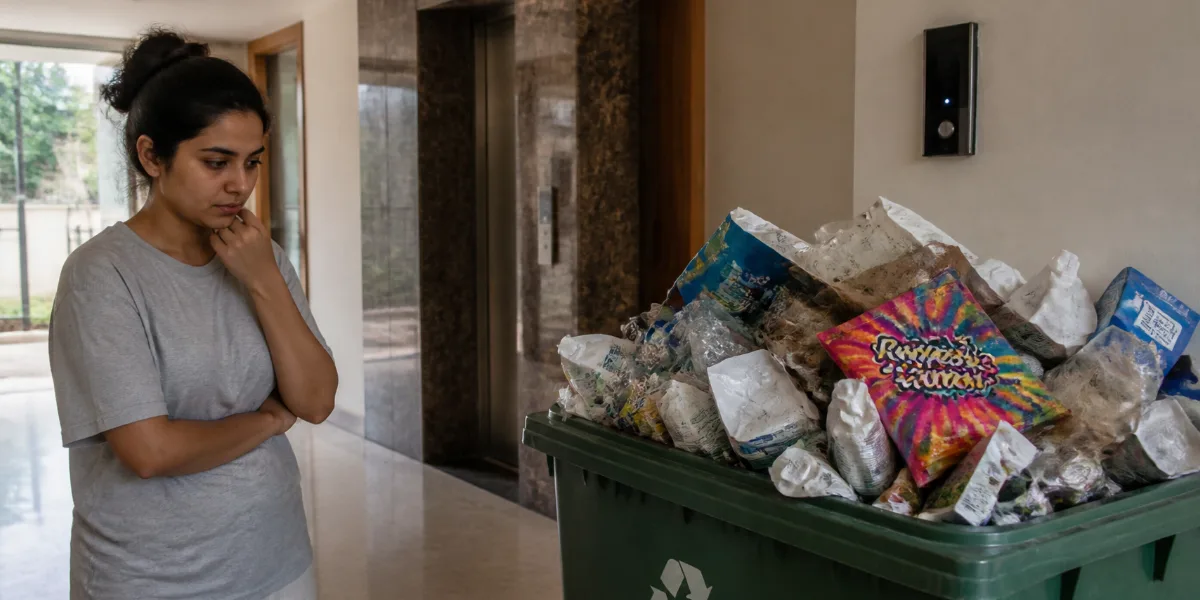
- Green looks, grey facts. Brown paper and leaf icons on a pack that is still layered with plastic.
- Material myths. “Compostable” doesn’t help if no composting system exists where the pack ends up.
- Over-protection and under-protection. Too much material wastes resources, too little causes damage and waste.
- Complicated disposal. If a shopper needs a manual to dispose of the pack, most won’t bother.
- No plan for scale. A tiny hand-made batch works, but the same design may not run on a filling machine.
For wider design errors to avoid, the guide to packaging design mistakes is a useful companion.
FAQs: Sustainable Packaging Mistakes
What is the biggest sustainable packaging mistake?
Making big claims without proof. Shoppers and retailers are quick to spot vague green language.
Can using the wrong eco material be worse than the old pack?
Yes. A material that spoils the product or can’t be recycled locally can create more waste than a simple conventional pack.
Should I switch all my packs to sustainable ones at once?
Usually not. Start with one product, learn what works with the supplier and the shopper, then move the rest.
How does Brij Design Studio help brands avoid these sustainable packaging mistakes?
By starting with strategy and checking the design against real production and shelf conditions before files go to print, so claims and materials match.
What Should You Ask a Packaging Supplier About Sustainability?
Ask what the pack is made from, whether it can be recycled or composted where your customers live, how much weight it adds and whether the claim can be proven in writing. A good supplier answers plainly.
- “What exactly is this pack made of, layer by layer?”
- “Can it be recycled in the cities where I sell, not just in theory?”
- “Is there recycled content in it, and how much?”
- “Will it protect the product for the full shelf life?”
- “Can you give me this in writing, so I can put it on the pack?”
If answers come back vague, ask again or look for another supplier. A pack’s green story is only as strong as the facts behind it.
FAQs: Talking to Suppliers
How do I verify a supplier’s green claims?
Ask for material specifications and written statements. If a claim can’t be put in writing, don’t print it on your pack.
Can I mix sustainable and regular packs in one range?
Yes, as a first step. Just keep the design consistent so the range still looks like one brand.
Do small brands get access to sustainable materials?
Increasingly, yes, though minimum order sizes vary. It is worth asking multiple suppliers.
Can I see how Brij Design Studio has handled packaging in real projects?
The case studies page shows packaging and branding projects the studio has completed.
How Does a Design Studio Approach Sustainable Packaging?
A design studio approaches sustainable packaging by treating it as part of the brief from day one, so material, structure and message are planned together and not patched on at the end.
Brij Design Studio is a branding and packaging design studio in Mumbai, in Vile Parle East. Its founders, Birju and Kruti Chatwani, have worked in branding and packaging for more than 20 years, and every project runs in-house from strategy to print-ready files. For a brand that wants a greener pack, that means the person who understands the product is also the person preparing the final artwork.
More about the studio’s packaging work is on the packaging design page.
FAQs: Studio Approach to Sustainable Packaging
When should I bring up sustainability with a designer?
At the very start. Material and structure are easiest to change before artwork is drawn.
Will a sustainable pack take longer to design?
Sometimes slightly, since there are more questions about materials and production. Clear information early helps the project move at a steady pace.
Does sustainable design limit creativity?
No. Constraints often lead to cleaner, more distinctive packs.
Who leads projects at Brij Design Studio?
The studio is led by its founders, Birju and Kruti Chatwani, and projects run in-house from first idea to final files.
Where Is Sustainable Packaging Design Heading?
Sustainable packaging design is heading towards lighter packs, single-material structures, refill and reuse systems, better disposal information and stricter checks on green claims.
- Single-material structures that are easier to recycle.
- Refills and returnable packs, especially for home and personal care.
- Clearer on-pack instructions, replacing vague icons.
- More scrutiny of green claims, from shoppers and retailers alike.
Brands that learn these habits early will find later changes much easier. The guide to the importance of product packaging design adds more on the thinking behind good packs.
FAQs: The Future of Sustainable Packaging
Will refillable packaging become common?
It is growing, especially for products like detergents and personal care. For food, safety rules shape how far it can go.
What new materials are coming?
Plant-based, mushroom-based and seaweed-based materials are being explored. Many are still limited by cost and scale.
Will edible packaging take off?
For a few products, maybe. It is still mostly experimental and unlikely to replace common packs soon.
Does Brij Design Studio help startups with sustainable packaging from the start?
The studio has a guide on packaging design for startups, and early-stage brands can discuss material and sustainability goals with the team.
Why Choose Brij Design Studio for Sustainable Packaging Design?
Brij Design Studio is a branding and packaging design studio in Mumbai. Its founders, Birju and Kruti Chatwani, have worked in the field for more than 20 years, and every project runs in-house from strategy to print-ready files.
Sustainable packaging goes wrong in the handovers, where a green idea gets lost between the brief, the designer and the printer. Keeping the whole project in one place leaves fewer gaps for that to happen.
To see the studio’s approach, visit the brand packaging services page. To start a conversation, the design studio in Mumbai page has the details.
Conclusion
Sustainable packaging design is less about leaves and more about decisions: use less, choose materials with a next life, keep it simple and tell the truth on the pack.
Start with one product. Ask the hard questions of your supplier. Print the honest sentence, not the impressive one.
A pack that is quietly sensible will earn more trust than one that shouts about being green.
Common FAQs About Sustainable Packaging Design
What is the most sustainable type of packaging?
The one that uses the least material while still protecting the product, and that can be reused or recycled where it is sold. It depends on the product.
What are examples of sustainable packaging?
Recycled paperboard cartons, glass jars that can be refilled, single-material pouches, metal tins and compostable wraps.
Is plastic packaging ever sustainable?
It can be, if it is lightweight, made from a single material, includes recycled content and can actually be recycled where it is used.
How can I reduce packaging waste in my business?
Right-size your packs, remove extras, choose recyclable materials and offer refills where it makes sense.
Do I need a certificate to make green claims?
For specific claims, you need evidence, and some claims need formal certification. Check the rules for your product and ask your supplier for written proof.
How do I explain recycling on my pack?
Use short, plain words on the back: what it is made of, whether to rinse it and which bin to use.
Can a small brand afford sustainable packaging?
Often, yes, especially by cutting extras. Costs depend on material, format and print run, so compare real quotes.
What is a circular economy in packaging?
A system where materials are used, collected and used again, instead of being thrown away after one use.
How can I begin a sustainable packaging project with Brij Design Studio?
Share the product, the shopper and your sustainability goals through the contact page, and the studio can plan next steps with you.
Does Brij Design Studio also help with branding for eco-focused brands?
Yes. The studio offers branding design as well as packaging design, so the brand story and the pack can be built together.