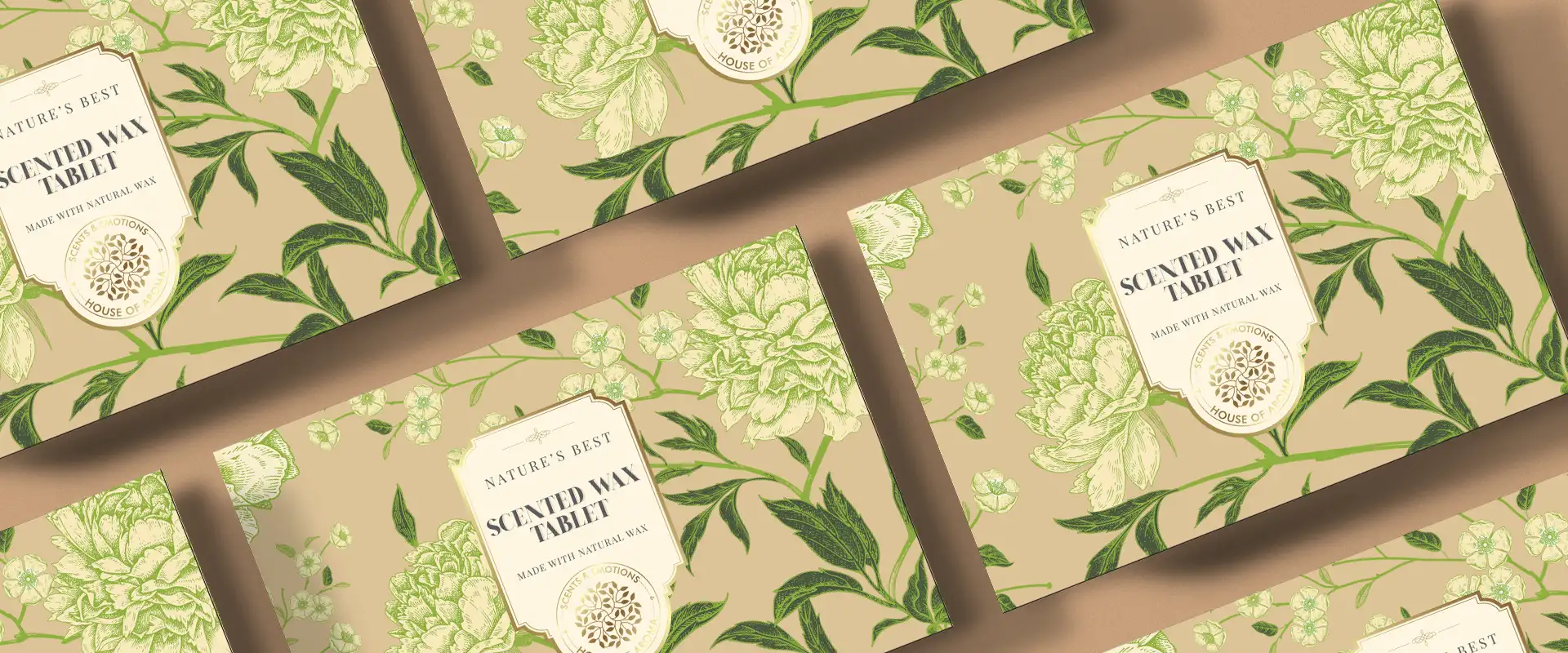
Building a brand is more than creating a logo or choosing attractive colours. A strong brand brings together strategy, visual identity, messaging, customer experience, and consistency to create a recognisable identity that people can remember and trust.
Whether you are launching a new business, repositioning an existing company, or entering a competitive market, building a brand requires a clear understanding of who you are, what you offer, and why your audience should choose you.
From branding design and typography to tone of voice and packaging, every touchpoint contributes to how customers perceive your business. The right brand designing services can help transform a business idea into a distinctive and consistent brand identity.
What Does It Mean to Build a Brand?
To build a brand means creating a complete identity and experience around a business, product, or organisation. It includes the strategic and visual decisions that influence how people recognise, understand, and remember a brand.
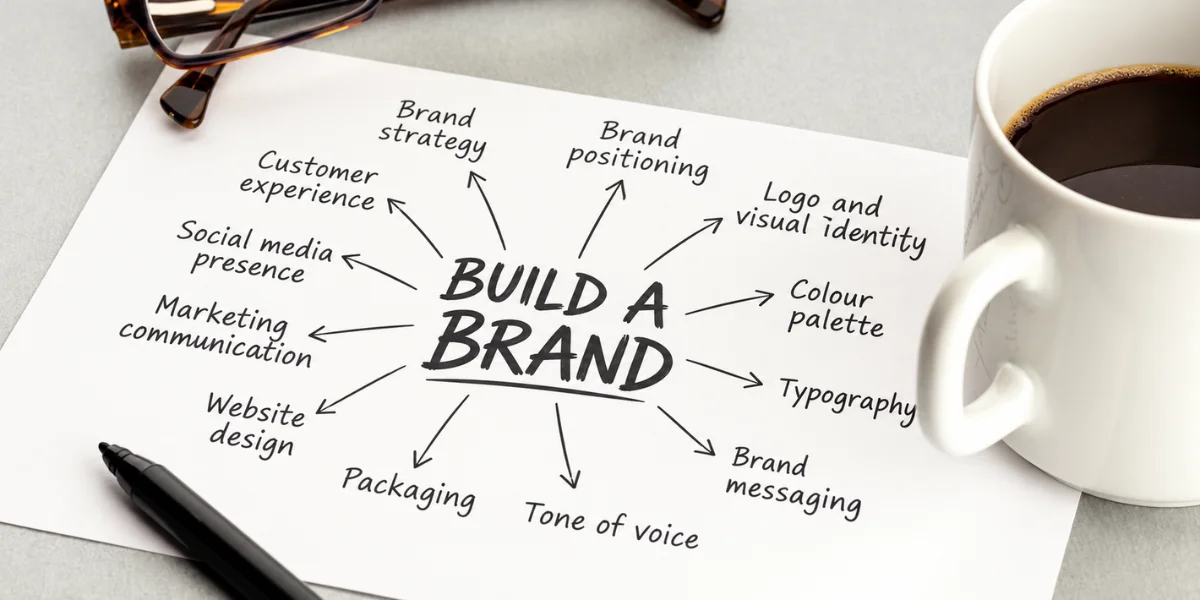
A brand is not limited to its logo. It can include:
- Brand strategy
- Brand positioning
- Logo and visual identity
- Colour palette
- Typography
- Brand messaging
- Tone of voice
- Packaging
- Website design
- Marketing communication
- Social media presence
- Customer experience
Effective branding design connects these elements into one cohesive system.
Why Is Building a Brand Important?
A strong brand can help businesses:
- Create recognition
- Differentiate from competitors
- Communicate their value
- Build customer trust
- Create a consistent identity
- Support marketing and advertising
- Develop customer loyalty
- Strengthen long-term brand value
What is the first step in building a brand?
The first step is understanding the business, target audience, market, competition, positioning, and long-term goals before developing the visual identity.
Is a logo enough to build a brand?
No. A logo is one element of branding. A complete brand requires strategy, visual identity, messaging, applications, and consistent customer experiences.
How long does it take to build a brand?
The timeline depends on the scope. A basic identity can take several weeks, while a comprehensive branding project can take longer because it involves research, strategy, design, and implementation.
Can an existing business build a new brand identity?
Yes. An existing business can refresh or reposition its brand through a rebranding or brand evolution project.
Why is consistency important when building a brand?
Consistency helps customers recognise the brand across different platforms and creates a more cohesive and memorable identity.
The Key Elements of Branding
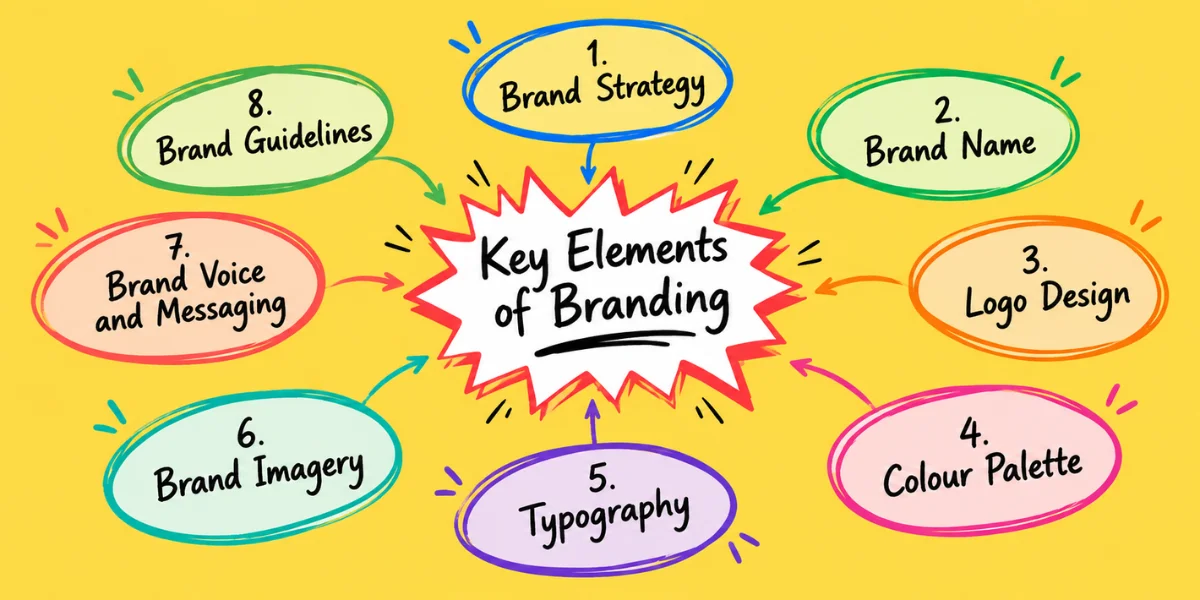
The elements of branding work together to create a complete brand experience. While individual requirements vary between businesses, most successful brands have a combination of strategic, visual, verbal, and experiential elements.
1Brand Strategy
Brand strategy establishes the foundation of the brand. It defines where the brand wants to go and how it intends to connect with its audience.
It can include:
- Brand purpose
- Vision and mission
- Target audience
- Brand positioning
- Brand values
- Competitive differentiation
- Brand personality
- Value proposition
A clear strategy makes subsequent branding decisions more purposeful.
2Brand Name
A brand name can influence recognition and recall. It should ideally be distinctive, relevant to the positioning, and practical for communication and branding across different channels.
3Logo Design
The logo is one of the most recognisable visual elements of a brand. A well-designed logo should work across multiple sizes, formats, platforms, and applications.
4Colour Palette
Colours contribute to visual recognition and can influence the emotional character of a brand. The colour system should work consistently across digital, print, packaging, signage, and other applications.
5Typography
Typography gives a brand a distinctive visual voice. Fonts need to be selected based on readability, personality, hierarchy, and how they interact with other visual elements.
6Brand Imagery
Photography, illustrations, icons, graphics, patterns, and other visual assets contribute to the overall visual language of the brand.
7Brand Voice and Messaging
A brand also needs a verbal identity. Its tone, vocabulary, messaging style, and communication principles help create consistency across websites, advertisements, social media, packaging, and other channels.
8Brand Guidelines
Brand guidelines document how the identity should be used. They can cover logo usage, colours, typography, imagery, layouts, messaging, and other brand applications.
What are the main elements of branding?
The main elements can include brand strategy, name, logo, colours, typography, imagery, messaging, tone of voice, packaging, and brand guidelines.
Which element of branding is the most important?
There is no single element that works independently. Strong branding comes from how the strategic, visual, and verbal elements work together.
Should branding include packaging design?
For product-based businesses, packaging can be an important part of the brand experience because it communicates identity at the point of purchase and use.
Why are brand guidelines important?
Brand guidelines help maintain consistency when different people, agencies, vendors, or teams create brand communication.
Can branding elements change over time?
Yes. Brands can evolve as their audience, market, products, or business strategy changes.
How to Build a Brand Step by Step
A structured branding process helps transform a business idea into a recognisable and scalable identity.
Step 1: Understand Your Business
Start by defining what your business does, who it serves, what makes it different, and what it wants to achieve.
Ask:
- What problem does the brand solve?
- Who is the target customer?
- What makes the business different?
- What values should the brand communicate?
- What should customers feel when interacting with it?
Step 2: Research the Market
Research your competitors, category trends, customer expectations, pricing, communication styles, and visual conventions.
The objective is not simply to copy what competitors are doing. It is to identify opportunities for differentiation.
Step 3: Define Brand Positioning
Positioning establishes the space your brand wants to occupy in the customer’s mind.
It should clarify:
- Who are you?
- Who are you for?
- What do you offer?
- Why should customers choose you?
Step 4: Develop the Brand Personality
Brand personality gives the brand human characteristics.
For example, a brand could feel:
- Sophisticated
- Friendly
- Bold
- Minimal
- Playful
- Innovative
- Trustworthy
- Premium
The personality should influence both visual and verbal communication.
Step 5: Create the Visual Identity
This is where branding design translates the strategy into a visual system.
It may include:
- Logo
- Colour palette
- Typography
- Graphic elements
- Iconography
- Patterns
- Photography style
- Illustration style
- Layout system
Step 6: Apply the Brand Across Touchpoints
The identity should then be applied consistently across relevant customer touchpoints.
These could include:
- Packaging
- Website
- Social media
- Business cards
- Brochures
- Advertising
- Retail spaces
- Presentations
- Signage
- Digital campaigns
Step 7: Create Brand Guidelines
A brand guideline system helps ensure the identity remains consistent as the business grows.
How do I build a brand from scratch?
Start with business and audience research, define positioning and personality, develop the visual and verbal identity, and apply it consistently across customer touchpoints.
Should I create a logo before defining my brand strategy?
It is generally more effective to establish the brand strategy and positioning first so the visual identity has a clear strategic foundation.
What research is required before building a brand?
Research can include the target audience, competitors, market category, trends, customer behaviour, existing brand perception, and business objectives.
How do I make my brand different from competitors?
Identify a meaningful point of differentiation and express it consistently through positioning, messaging, visual identity, products, and customer experience.
Can a small business build a professional brand?
Yes. A strong brand does not depend only on business size. A clear strategy and consistent identity can help smaller businesses establish recognition and credibility.

How Branding Design Shapes Brand Perception
Branding design translates the strategic idea of a brand into a visual experience.
Customers often encounter a brand visually before they understand everything about the business. This makes design an important part of communication.
A consistent visual identity can help communicate:
Quality
Typography, colour, photography, materials, and layout can influence how customers perceive the quality and positioning of a brand.
Personality
A bold visual system can create a different impression from a refined, understated identity.
Differentiation
Distinctive design can help a brand stand apart from competitors within a crowded category.
Recognition
Consistent visual elements make it easier for audiences to identify the brand across different channels.
Trust
A consistent and professionally managed identity can create a more coherent experience across customer touchpoints.
This is why professional brand designing services often go beyond logo creation and focus on developing a complete visual ecosystem.
What is branding design?
Branding design is the process of creating the visual identity and design system that communicates a brand’s personality, positioning, and values.
What is included in branding design?
Depending on the project, branding design can include logo design, colours, typography, graphic elements, imagery, packaging, stationery, digital assets, and brand guidelines.
Is branding design different from logo design?
Yes. Logo design focuses primarily on the logo, while branding design creates a broader visual system around the brand.
How does branding design affect customers?
It can influence recognition, perceived positioning, differentiation, and the overall experience customers associate with a brand.
Can branding design help a new business?
Yes. A well-planned identity can help a new business establish a distinctive presence and communicate its positioning from the beginning.
Why Professional Brand Designing Services Matter
Building a brand involves multiple strategic and creative decisions. Working with professional brand designing services can help bring these decisions together into a cohesive system.
A branding agency may help with:
- Brand strategy
- Market and competitor research
- Brand positioning
- Naming
- Logo design
- Visual identity
- Typography
- Colour systems
- Packaging design
- Brand guidelines
- Website branding
- Marketing collateral
- Social media identity
The advantage of an integrated approach is that strategy and design are developed together rather than treated as disconnected activities.
For example, a premium skincare brand may require a different visual language from a youthful food brand or a technology company. The identity should reflect the category while creating opportunities for differentiation.
What do brand designing services include?
They can include brand strategy, visual identity, logo design, colour and typography systems, packaging, brand guidelines, and other brand applications.
Should startups invest in branding design?
Branding can help startups establish a clear identity and communicate their value proposition consistently as they enter the market.
Can brand designing services include packaging?
Yes. Packaging can be integrated into the broader brand identity to create consistency between the product and the overall brand.
Can an agency redesign an existing brand?
Yes. Agencies can develop brand refreshes, visual updates, repositioning projects, or complete rebranding depending on the business requirement.
How do I choose brand designing services for my business?
Look at the agency’s strategic approach, relevant portfolio, industry understanding, design process, deliverables, and ability to create systems rather than only individual designs.
Building a Brand Across Digital and Physical Touchpoints
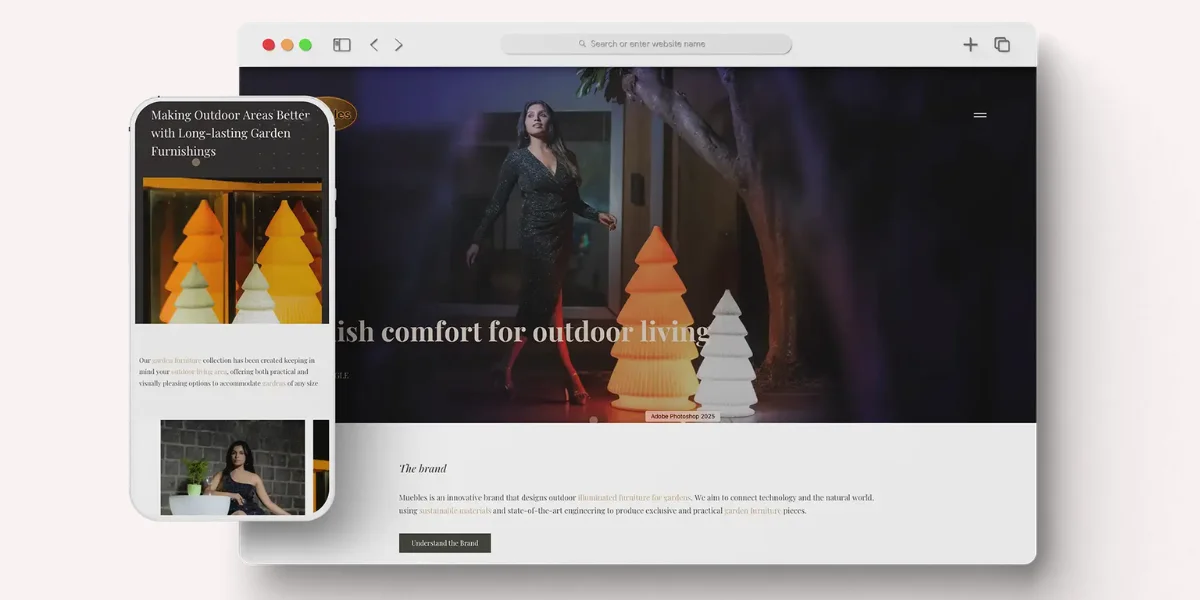
A brand does not exist in only one place. Customers may interact with it through a website, Instagram page, advertisement, product package, retail store, email, presentation, or customer service interaction.
For this reason, building a brand requires consistency across both digital and physical experiences.
Website
Your website should reflect the same visual identity, messaging, personality, and positioning as the rest of the brand.
Social Media
Social media provides an ongoing opportunity to reinforce the brand through consistent layouts, photography, typography, tone, and content.
Packaging
For product brands, packaging is often one of the most important physical brand touchpoints. It needs to communicate both product information and brand identity.
Advertising
Campaigns should remain recognisable while allowing enough flexibility for different messages, formats, and audiences.
Customer Experience
Brand perception is also influenced by how customers interact with the company, from enquiries and purchase to delivery and after-sales communication.
What are brand touchpoints?
Brand touchpoints are the different places and interactions where customers encounter a brand.
Why should branding be consistent across platforms?
Consistency helps create recognition and ensures customers experience the same core brand identity across different channels.
Should social media follow brand guidelines?
Yes. Social media should adapt the brand identity while maintaining consistent colours, typography, imagery, layouts, and tone.
Is packaging a brand touchpoint?
Yes. Packaging is a major physical touchpoint for product businesses and can influence product recognition and customer experience.
How can a brand stay consistent as it grows?
Clear brand guidelines, reusable design systems, templates, and structured approval processes can help maintain consistency.
Common Branding Mistakes to Avoid
Even a strong business idea can lose clarity when branding decisions are inconsistent or disconnected from strategy.
1Designing Only for Trends
Trends can influence design, but a brand should not depend entirely on temporary visual styles.
2Focusing Only on the Logo
A logo is important, but it is only one part of a complete brand identity.
3Trying to Appeal to Everyone
A clearly defined audience usually makes positioning and communication more focused.
4Changing Visuals Constantly
Frequent changes to colours, fonts, layouts, and visual styles can weaken brand recognition.
5Ignoring Brand Messaging
Strong visuals need equally clear messaging to communicate what the business offers and why it matters.
6Not Creating Guidelines
Without guidelines, different teams and vendors may interpret the identity differently.
What is the biggest branding mistake businesses make?
One common mistake is treating branding as only a logo or visual exercise without establishing a clear strategy and positioning.
Should brands follow every design trend?
No. Trends can provide inspiration, but branding should primarily reflect the brand’s positioning, audience, personality, and long-term goals.
Can inconsistent branding affect recognition?
Yes. Constantly changing visual and verbal elements can make it harder for audiences to recognise and remember a brand.
Why should brands avoid copying competitors?
Copying can reduce differentiation and make it difficult for customers to understand what makes the brand distinctive.
When should a brand consider rebranding?
A rebrand may be considered when the current identity no longer reflects the business, target audience, positioning, market direction, or growth strategy.
How Brij Design Studio Helps Build a Brand
At Brij Design Studio, building a brand means creating more than a logo. The approach brings together branding design, strategy, visual identity, packaging, and brand communication to create a cohesive identity for businesses.
From developing the core identity to translating it across packaging, digital platforms, marketing materials, and other customer touchpoints, the goal is to create a brand system that is distinctive, consistent, and scalable.
Whether you are launching a new business, refreshing an existing identity, or looking for professional brand designing services, Brij Design Studio can help develop the strategic and visual foundations needed for building a brand.
Final Thoughts: Build a Brand with Purpose
To build a brand that lasts, businesses need more than an attractive logo. They need a clear strategy, distinctive positioning, meaningful messaging, and a consistent visual identity.
The elements of branding, from colour and typography to packaging, imagery, messaging, and customer experience, work together to shape how people recognise and understand a business.
When strategy and branding design work together, a brand can create a stronger and more consistent presence across every customer interaction.
For businesses looking to create, refresh, or strengthen their identity, professional brand designing services can provide the strategic and creative foundation needed to turn a business into a recognisable brand.
What are the best brand identity design services for a new business?
The right brand identity design services can include brand strategy, positioning, logo design, colour palette, typography, visual language, packaging, brand guidelines, and digital brand applications. The scope should depend on the business’s goals and target audience.
Does Brij Design Studio offer brand identity design services in Mumbai?
Yes. Brij Design Studio provides branding and identity design services that can include strategy, logo and visual identity, packaging design, and brand communication for businesses looking to establish or strengthen their brand presence.
Can Brij Design Studio help FMCG brands with branding and packaging?
Yes. Brij Design Studio can work across FMCG branding and packaging design, helping businesses create a consistent identity across the product, packaging, marketing communication, and other brand touchpoints.
What brand designing services does Brij Design Studio offer?
Brij Design Studio works across branding, logo and visual identity, packaging design, websites, marketing communication, and related brand design requirements.
Can Brij Design Studio build a brand from scratch?
Yes. A new brand can be developed from strategy and positioning through visual identity and brand applications.
Does Brij Design Studio offer packaging design with branding?
Yes. Packaging can be developed as part of the broader branding system to maintain consistency between the brand identity and product experience.
Can Brij Design Studio work on an existing brand?
Yes. Existing brands can be refreshed, refined, repositioned, or developed into a more consistent visual system depending on their requirements.
What industries can benefit from professional branding design?
Businesses across consumer products, food, lifestyle, beauty, hospitality, interiors, manufacturing, services, and other sectors can benefit from structured branding design.
Why choose Brij Design Studio for building a brand?
Brij Design Studio brings branding, packaging, digital design, and marketing communication together, allowing businesses to develop a more consistent brand presence across multiple touchpoints.