Brij Design Studio

Branding and packaging

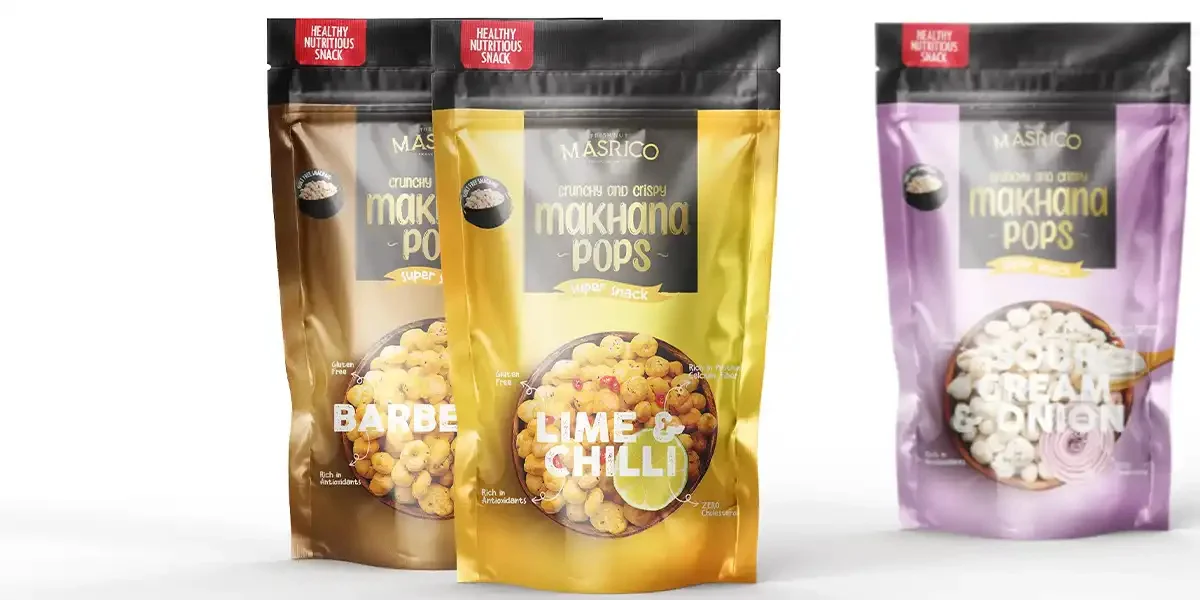
Branding and packaging by Brij Design Studio reflects the intersection of creativity, consumer psychology, and brand storytelling. With a keen understanding of branding and packaging, the studio strategically aligns visual elements with business goals to build emotional resonance. Drawing on resources like brand packaging magazine, their team explores global trends and industry benchmarks, ensuring that the importance of branding and packaging decisions is reflected in every deliverable. By applying brand perception theory, they shape experiences that impact how audiences view and engage with brands. The team’s expertise in brand identity design and contemporary packaging design fuels recognition and customer loyalty. Every package speaks to the consumer with clarity and purpose, guided by design thinking principles to create intuitive and memorable touchpoints. The studio prioritizes brand recall, ensuring that each detail contributes to long-term visibility and trust. Brij Design Studio doesn’t just design boxes; they craft perceptions, encourage loyalty, and trigger instant recognition in crowded markets. From high-end retail to fast-moving consumer goods, their approach is a masterclass in aesthetic intelligence and strategic branding. By fusing form and function, Brij ensures that every product’s identity is not just seen but remembered and loved.

Packaging of product

At Brij Design Studio, branding and packaging are treated as core pillars of brand success, not mere aesthetics. Their understanding of packaging of product goes beyond visuals, it’s about shaping perception, experience, and consumer behavior. Every project reflects their commitment to cohesive branding and packaging design, where the importance of packaging in marketing is emphasized across all industries. Whether it’s luxury skincare or eco-conscious snacks, each product packaging solution is designed to communicate story, values, and functionality. The studio’s bespoke brand identity design service ensures that logo, typography, and packaging create a unified brand language that captures audience attention. With an expert grasp of the types of packaging for products, Brij explores forms and materials that elevate shelf presence while remaining practical. Their focus on brand awareness is woven into each stage of production, ensuring packaging becomes a silent yet persuasive salesperson. Key brand elements, including structure, tone, and brand colours, are deliberately harmonized to promote instant recognition. At its core, the studio designs packaging that feels personal, purposeful, and premium, resulting in stronger connections and loyal customers. By making branding tangible through packaging, Brij Design Studio helps businesses move from being seen to being unforgettable.

Importance of brand packaging

Branding and packaging by Brij Design Studio is not only a design service, it’s a strategic endeavor that prioritizes emotional resonance and long-term connection. Understanding the importance of brand packaging, the studio approaches each project with a thorough grasp of consumer needs and visual storytelling. Every branding and packaging decision is based on research, intuition, and the importance of brand positioning, ensuring the brand aligns with its desired audience. Whether it’s product design and packaging for international market or boutique collections, the design reflects cultural nuances and global appeal. The team’s use of brand perception matrix helps map how customers view a product, refining both the message and visuals accordingly. As a brand identity design studio, Brij excels at translating core values into visual identities that encourage customer connection and retention. Their insight into brand loyalty in consumer behaviour ensures every design deepens trust and recognition. At the heart of their approach is thoughtful design conceptualization, combining strategy, functionality, and innovation to make packaging more than just a container, it becomes a brand experience. With Brij, packaging becomes a bold statement that captivates, educates, and inspires, elevating the brand beyond its product.

Brand packaging design

At Brij Design Studio, the journey of brand packaging design begins with purpose and ends in impact. Every element of branding and packaging decisions in marketing management is treated with precision, knowing that packaging shapes first impressions and purchasing decisions. Recognizing the importance of packaging, the studio crafts immersive visual identities that speak directly to consumer emotions. As a trusted brand identity design studio, Brij doesn’t just deliver logos or box layouts, they deliver experiences rooted in strategy. Through brand conceptualization, they develop identities that are authentic, adaptable, and aligned with market goals. From luxury to utility, their packaging strategies ensure each brand’s personality shines through. Their attention to packaging for products is combined with a rigorous conceptual design process, ensuring that creativity and usability are never compromised. They incorporate essential elements of graphic design—typography, hierarchy, and imagery—with strategic clarity, so that every brand message is visible, powerful, and engaging. With Brij, packaging transcends mere functionality to become a brand’s most powerful asset, interesting consumers to connect, trust, and buy. Their work proves that great branding isn’t just seen, it’s felt, remembered, and celebrated.

Branding and packaging agencies

Brij Design Studio stands out among branding and packaging agencies for its ability to merge aesthetic innovation with strategic vision. Their deep understanding of the importance of brand positioning in marketing enables them to shape how a brand is introduced and perceived across competitive landscapes. Leveraging packaging as a marketing tool, Brij turns every product into an ambassador of the brand. They specialize in product branding and packaging decisions that are not only visually interesting but also functionally sound and investing. Their expertise in packaging for products balances material efficiency with visual impact, ensuring the message reaches and resonates with the right audience. Brij follows a methodical design process in design thinking, which uncovers user needs and business goals before translating them into visual narratives. Their command over graphic design concepts enables them to craft packaging that communicates brand stories with clarity and character. Every texture, line, and layout is chosen to reflect a brand’s essence, making the product a living extension of its identity. In an age where packaging defines perception, Brij Design Studio empowers brands to be more than commodities, they become cultural icons of design-led thinking.
Branding And Packaging, Packaging Of Product, Importance Of Brand Packaging, Brand Packaging Design, Branding And Packaging Agencies, Brand Perception Theory, Brand Identity Design, Packaging Design, Types Of Packaging For Products, Brand Awareness, Brand Perception Matrix, Brand Identity Design Studio, Packaging For Products, Design Process In Design Thinking, Brand Elements, Brij Design Studio

7 Ways Packaging Influences Your Brand Perception

7 Ways Packaging Influences Your Brand Perception

In the competitive world of marketing, first impressions are everything, and packaging often forms that critical first impression. While many companies spend heavily on digital campaigns, logos, and taglines, they often overlook packaging, the tangible expression of a brand. Whether you’re selling skincare, food, electronics, or fashion, your packaging speaks before your product ever does. It’s not just a protective layer, it’s a communication tool, a storyteller, and a silent salesperson.
So how exactly does packaging influence the way your brand is perceived? Let’s dive into 7 powerful ways packaging shapes customer perception and builds brand value.

1. Packaging Sets the Tone for Brand Identity

Branding And Packaging, Packaging Of Product, Importance Of Brand Packaging, Brand Packaging Design, Branding And Packaging Agencies, Brand Perception Theory, Brand Identity Design, Packaging Design, Types Of Packaging For Products, Brand Awareness, Brand Perception Matrix, Brand Identity Design Studio, Packaging For Products, Design Process In Design Thinking, Brand Elements, Brij Design Studio
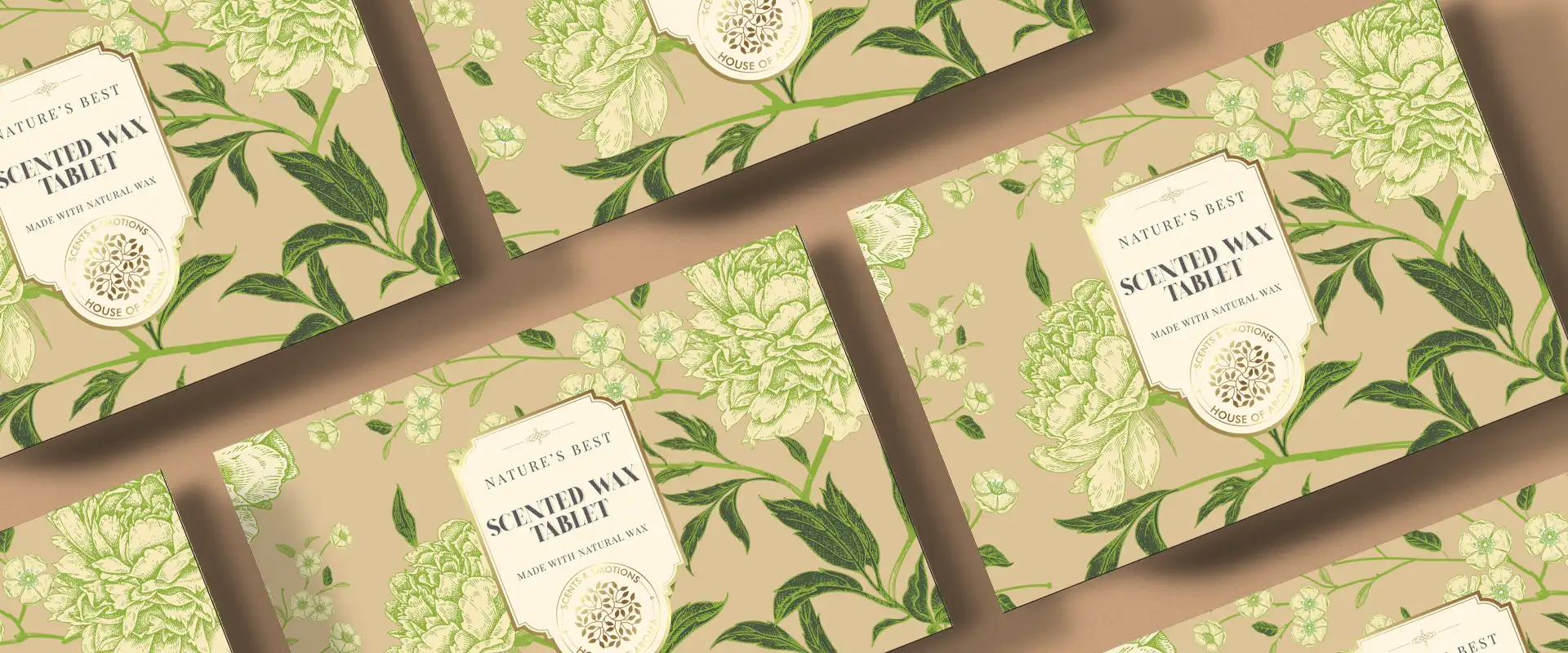
The colors, typography, materials, and shapes you use in your packaging become instant cues to your brand personality. Think about the sleek, minimalist design of Apple’s packaging versus the playful, colorful boxes of Froot Loops. Each sends a distinct message.
Packaging can subtly communicate your brand’s core values:
Eco-conscious materials might signal sustainability.
Premium finishes like matte lamination or metallic foil evoke luxury.
Handwritten fonts or recycled textures bring in a human, earthy feel.
Consistency in packaging design across all product lines helps reinforce a unified identity. If the style is mismatched or generic, customers may struggle to connect with your brand emotionally.
Pro Tip:
Build a brand style guide for packaging to ensure coherence across colors, materials, and visual language.

2. Packaging Creates Instant Shelf Appeal

Branding And Packaging, Packaging Of Product, Importance Of Brand Packaging, Brand Packaging Design, Branding And Packaging Agencies, Brand Perception Theory, Brand Identity Design, Packaging Design, Types Of Packaging For Products, Brand Awareness, Brand Perception Matrix, Brand Identity Design Studio, Packaging For Products, Design Process In Design Thinking, Brand Elements, Brij Design Studio

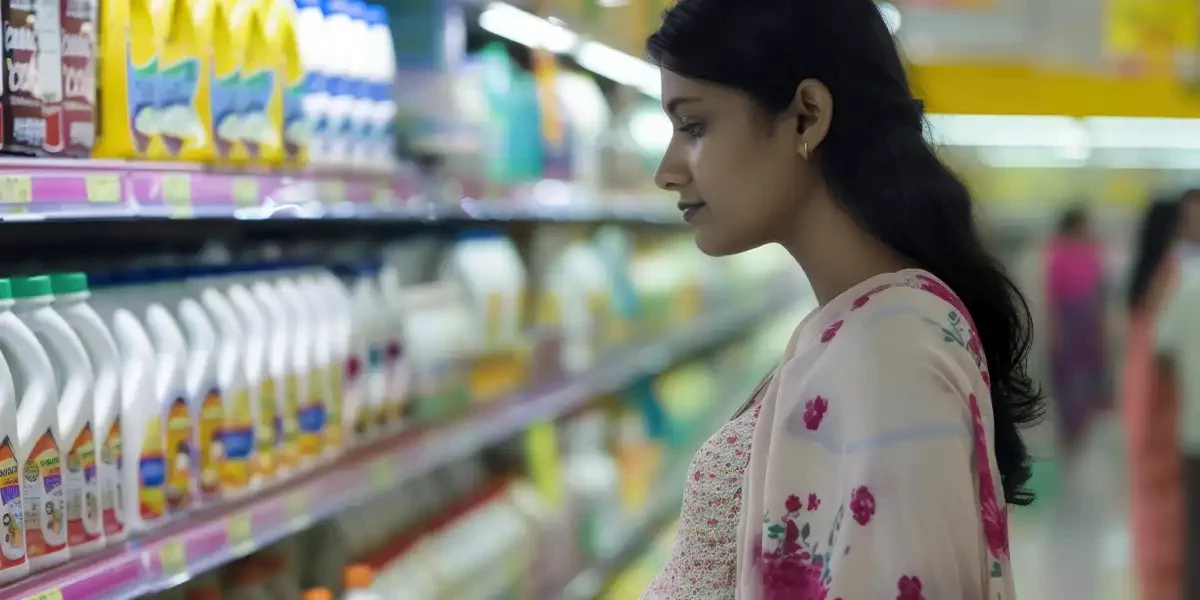
In retail spaces, your product often sits alongside dozens, or even hundreds, of competitors, and this is where the importance of packaging in marketing truly comes into play. Customers typically spend only 3 to 7 seconds deciding whether to pick up a product, and in that short window, your packaging design acts as the hook. An eye-catching design grabs attention and sparks curiosity, it can even drive impulse purchases.

Smart packaging goes beyond aesthetics by using elements like contrast, whitespace, hierarchy, and visual intrigue to break through the clutter and deliver a memorable brand message. In a crowded marketplace, strategic packaging isn’t just about wrapping, it’s about positioning your product as the one worth choosing.

Case in point: Brands like Method (home cleaning products) disrupted entire categories with their bottle shapes and bold colors. Their aesthetic became their differentiator.
Pro Tip:
Do a competitive shelf analysis before finalizing your packaging design. Standing out is the name of the game.

3. Packaging Builds Emotional Connections

Branding And Packaging, Packaging Of Product, Importance Of Brand Packaging, Brand Packaging Design, Branding And Packaging Agencies, Brand Perception Theory, Brand Identity Design, Packaging Design, Types Of Packaging For Products, Brand Awareness, Brand Perception Matrix, Brand Identity Design Studio, Packaging For Products, Design Process In Design Thinking, Brand Elements, Brij Design Studio

Creative packaging design goes beyond mere function, it triggers emotion. A beautifully crafted gift box can evoke excitement and curiosity even before it’s opened. This emotional resonance is why unboxing experiences have become a social media phenomenon.

When packaging delights the senses and tells a story, it connects with the customer on a deeper level. From texture to typography, color to construction, creative packaging design transforms an ordinary product into an extraordinary brand moment.
By evoking delight, nostalgia, confidence, or trust, packaging can elevate a mundane purchase into a meaningful moment. Especially in e-commerce, where there’s no physical store experience, the act of opening a product becomes the brand’s moment to shine.
Pro Tip:
Incorporate emotional design elements like personalized messages, surprise elements, or scents to enrich the experience.

4. Packaging Communicates Quality and Credibility

Branding And Packaging, Packaging Of Product, Importance Of Brand Packaging, Brand Packaging Design, Branding And Packaging Agencies, Brand Perception Theory, Brand Identity Design, Packaging Design, Types Of Packaging For Products, Brand Awareness, Brand Perception Matrix, Brand Identity Design Studio, Packaging For Products, Design Process In Design Thinking, Brand Elements, Brij Design Studio

Whether it’s a skincare serum or a tech gadget, customers make snap judgments about the product’s quality based on the packaging. Flimsy, poorly printed, or messy packaging might suggest a low-end or unreliable brand, even if the product is excellent.

On the flip side, sturdy boxes, smooth textures, clean graphics, and thoughtful inner components scream quality. Consumers are more likely to trust, recommend, and repurchase from brands that “look” reliable right out of the box.
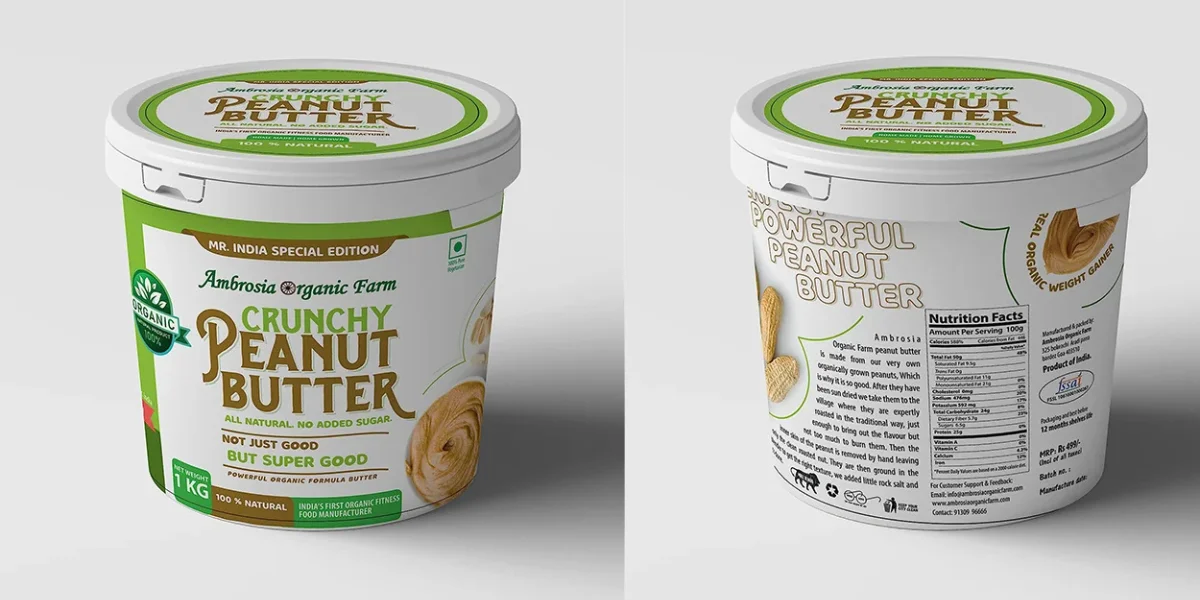
Packaging can also carry certifications (organic, cruelty-free, etc.), reviews, or awards that reinforce credibility. These visual indicators matter more than most people realize.
Pro Tip:
Invest in good print finishes—like embossing, UV coating, or kraft board—to convey sophistication and trustworthiness.

5. Packaging Drives Brand Recall and Recognition

Branding And Packaging, Packaging Of Product, Importance Of Brand Packaging, Brand Packaging Design, Branding And Packaging Agencies, Brand Perception Theory, Brand Identity Design, Packaging Design, Types Of Packaging For Products, Brand Awareness, Brand Perception Matrix, Brand Identity Design Studio, Packaging For Products, Design Process In Design Thinking, Brand Elements, Brij Design Studio

Consistent, well-designed packaging acts like a billboard for your brand. Over time, people begin to associate certain elements, like your logo placement, color palette, or container shape, with your product, even from a distance.

Think about brands like Coca-Cola, Tiffany & Co., or Lush. Their packaging is so iconic that even without the product name, they are instantly recognizable.
This recognition creates memory hooks and boosts brand recall. When customers recognize your packaging on a store shelf, they’re more likely to trust and repurchase it.
Pro Tip:
Use signature shapes, brand mascots, or distinct color schemes consistently across all products and sub-brands.

6. Packaging Reflects Your Target Audience

Branding And Packaging, Packaging Of Product, Importance Of Brand Packaging, Brand Packaging Design, Branding And Packaging Agencies, Brand Perception Theory, Brand Identity Design, Packaging Design, Types Of Packaging For Products, Brand Awareness, Brand Perception Matrix, Brand Identity Design Studio, Packaging For Products, Design Process In Design Thinking, Brand Elements, Brij Design Studio
Brand packaging services play a vital role in shaping customer perception and influencing buying decisions. Packaging is most effective when it speaks directly to the people you want to attract. A sleek, modern packaging design might appeal to millennials, while a more classic or artisanal look may resonate better with an older or premium audience.
Successful brand packaging blends creativity with strategy, it’s not just about aesthetics, but about crafting an identity that aligns with your target market. With the right packaging services, businesses can elevate their products from shelf-fillers to brand experiences, ensuring consistency across every touchpoint and making a lasting impression.
Understanding your demographic’s tastes, values, and expectations allows you to design packaging that feels tailor-made. If your packaging doesn’t resonate, customers might overlook your product, even if it’s exactly what they need.
Luxury packaging design is more than just aesthetics, it’s a language of prestige and precision. For luxury perfume buyers, packaging must evoke elegance and exclusivity, often through tactile elements, premium finishes, and custom structural designs that elevate the unboxing experience. Meanwhile, health-conscious shoppers are drawn to recyclable, non-toxic materials, demanding both beauty and environmental responsibility.
In contrast, parents of toddlers prioritize safe, mess-free, and informative packaging that ensures both convenience and clarity. Today’s luxury packaging must strike a delicate balance—blending style with substance, and indulgence with intention, making design strategy more important than eve
Pro Tip:
Use user personas and surveys to design packaging that aligns with customer lifestyles and preferences.

7. Packaging Can Influence Sustainability Perception

Branding And Packaging, Packaging Of Product, Importance Of Brand Packaging, Brand Packaging Design, Branding And Packaging Agencies, Brand Perception Theory, Brand Identity Design, Packaging Design, Types Of Packaging For Products, Brand Awareness, Brand Perception Matrix, Brand Identity Design Studio, Packaging For Products, Design Process In Design Thinking, Brand Elements, Brij Design Studio
Today’s consumers are increasingly eco-conscious. Packaging is a major factor in how sustainable your brand is perceived to be. Using recyclable, compostable, or reusable materials shows your commitment to the environment and many customers are willing to pay a premium for that.
On the other hand, using excess plastic, single-use items, or overly complicated layers can create a negative perception, even backlash online. Sustainability isn’t just a trend it’s a competitive advantage when done right.
• Pro Tip:
Highlight your packaging’s sustainable features clearly and proudly consumers need to see and understand the effort you’ve made.

The Takeaway: Packaging Is the Silent Messenger of Your Brand

Your packaging doesn’t just contain your product, it contains your brand story, values, and promises. Every fold, font, and finish sends a message. When done right, it can elevate your product from commodity to cult-favorite.
Brands that view packaging as a key pillar of their marketing strategy, rather than an afterthought, often reap long-term benefits: increased loyalty, stronger emotional connection, and a more memorable identity.
If you’re looking to build a brand that customers love, trust, and talk about, don’t just ask “What should our packaging look like?” Ask “What do we want people to feel when they see or open this?”
That’s the power of packaging. Use it wisely.

Final Thoughts: The Future of Packaging and Brand Perception

As we move deeper into a digital-first, values-driven marketplace, packaging will play an even greater role in shaping brand narratives. With technologies like smart packaging, QR-integrated labels, and AR-enabled boxes, brands can now offer interactive experiences that go beyond the visual.
Moreover, personalization and customization whether through limited-edition designs or packaging that includes the customer’s name can drive stronger emotional bonds. Expect to see more brands leveraging packaging as part of omnichannel storytelling.
So the next time you hold a product in your hand, ask yourself: What does this packaging make me feel? Chances are, that’s exactly what the brand intended.

FAQ's

Packaging is necessary because it protects the product, maintains its quality, provides essential information, and enhances the customer experience. It also acts as a powerful marketing tool that helps attract, inform, and influence buying decisions at the point of sale.

In marketing management, packaging refers to the strategic process of designing and producing the container or wrapper for a product. It plays a crucial role in branding, communication, consumer appeal, and differentiating the product from competitors on the shelf.

The role of packaging in marketing is to grab consumer attention, communicate the brand message, convey product benefits, and stimulate purchase decisions. It also helps build brand identity and loyalty through aesthetics, design, and user experience.

In marketing, packaging means the development of a product’s outer appearance—its box, label, or wrapper—to not only protect and contain the item but also to create visual appeal, convey value, and support the brand’s overall marketing strategy.

There are generally three types of packaging in marketing:

  • Primary Packaging – Directly contains the product (e.g., bottle, pouch)
  • Secondary Packaging – Groups primary packages (e.g., boxes, cartons)
  • Tertiary Packaging – Used for bulk handling and shipping (e.g., pallets, crates)

Packaging in branding is the visual and functional expression of a brand through its product’s exterior. It incorporates logo, color scheme, typography, and design to create an emotional connection, reinforce brand values, and improve recognition and loyalty.

Primary packaging in marketing is the first layer of packaging that directly encloses and protects the product. It is designed for consumer interaction and often contains branding, usage instructions, and product details, playing a key role in marketing appeal.

Packaging design in marketing refers to the creative and strategic process of crafting how a product looks and functions in its packaging. It involves visual elements like color, typography, imagery, and structure, aimed at capturing attention, differentiating the product, and reinforcing the brand image.