

In today’s health-conscious world, consumers are increasingly scrutinizing not just what they eat, but also how their food products are packaged. The rise of clean eating, organic produce, and plant-based diets has created a demand for transparency and sustainability that extends beyond the ingredients list. Healthy food packaging design is no longer just about aesthetics; it’s a crucial element in communicating values, building trust, and ultimately, influencing purchasing decisions.
The Power of First Impressions: Why Packaging Matters
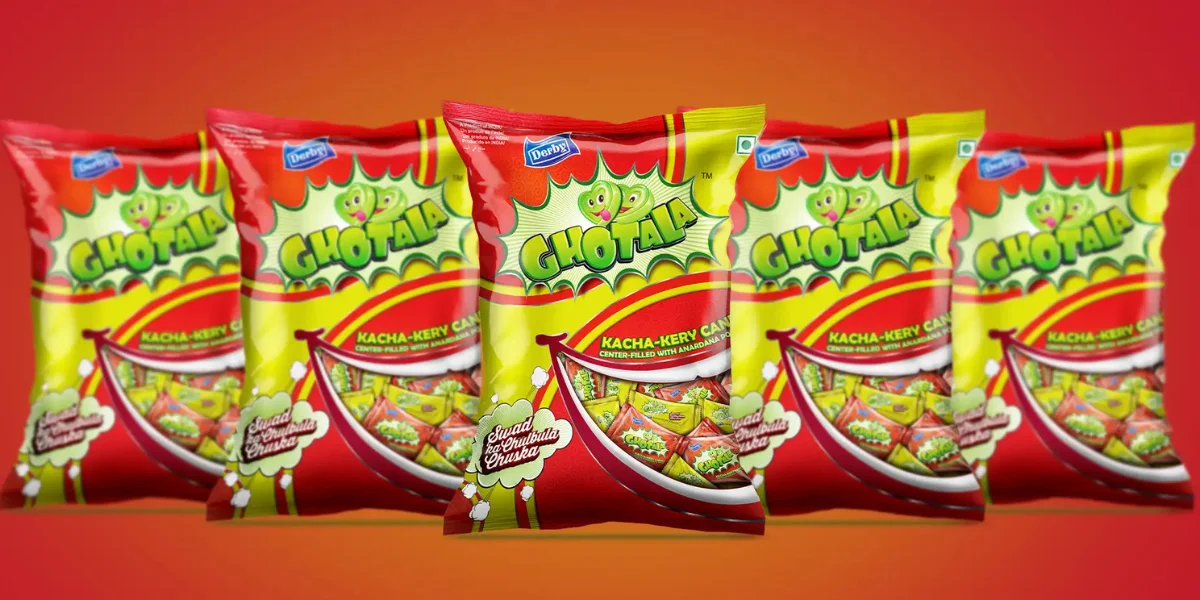
Think about the last time you were in a grocery store. Faced with a wall of competing products, what made you reach for one item over another? Chances are, the product packaging design played a significant role. Packaging is the first tangible interaction a consumer has with a brand. It’s a silent salesperson, conveying messages about quality, convenience, and brand identity.
For food products claiming to be healthy, the packaging must go beyond simply looking appealing. It needs to project an image of trustworthiness, naturalness, and a commitment to well-being. This is where strategic packaging design for food products becomes essential.
Key Elements of Effective Healthy Food Packaging Design
Several key elements contribute to effective healthy food packaging design:
• Material Choice:
The materials used in packaging send a powerful message. Sustainable, eco-friendly options like recycled cardboard, biodegradable plastics, and plant-based films are increasingly popular. Consumers associate these materials with brands that care about the environment and their health. The material should protect the integrity of the food product.
The materials used in packaging send a powerful message. Sustainable, eco-friendly options like recycled cardboard, biodegradable plastics, and plant-based films are increasingly popular. Consumers associate these materials with brands that care about the environment and their health. The material should protect the integrity of the food product.
• Colour Palette:
Colour psychology plays a crucial role. Earthy tones like greens, browns, and blues evoke feelings of naturalness, health, and tranquillity. Bright, vibrant colours can signal energy and vitality, but should be used judiciously to avoid appearing artificial.
Colour psychology plays a crucial role. Earthy tones like greens, browns, and blues evoke feelings of naturalness, health, and tranquillity. Bright, vibrant colours can signal energy and vitality, but should be used judiciously to avoid appearing artificial.
• Typography:
Clear, legible fonts are essential for conveying information quickly and easily. Choose fonts that reflect the brand’s personality and the product’s positioning. Avoid overly stylized or decorative fonts that can be difficult to read.
Clear, legible fonts are essential for conveying information quickly and easily. Choose fonts that reflect the brand’s personality and the product’s positioning. Avoid overly stylized or decorative fonts that can be difficult to read.
• Imagery:
High-quality photography or illustrations can showcase the food product in an appealing way. Images of fresh ingredients, wholesome meals, or active lifestyles can reinforce the message of health and well-being.
High-quality photography or illustrations can showcase the food product in an appealing way. Images of fresh ingredients, wholesome meals, or active lifestyles can reinforce the message of health and well-being.
• Information Hierarchy:
The packaging should clearly communicate key information, such as nutritional facts, ingredients, and health claims. This information should be presented in a logical and easy-to-understand manner.
The packaging should clearly communicate key information, such as nutritional facts, ingredients, and health claims. This information should be presented in a logical and easy-to-understand manner.
• Transparency:
Allowing consumers to see the food product inside the packaging can build trust and confidence. Clear windows or transparent packaging can be particularly effective for showcasing fresh produce or minimally processed foods.
Allowing consumers to see the food product inside the packaging can build trust and confidence. Clear windows or transparent packaging can be particularly effective for showcasing fresh produce or minimally processed foods.
Beyond Aesthetics: Functional Considerations of Product Packaging
While visual appeal is important, healthy food packaging design must also be functional. The packaging should:
• Protect the Product:
The primary function of packaging is to protect the food product from damage, spoilage, and contamination.
The primary function of packaging is to protect the food product from damage, spoilage, and contamination.
• Maintain Freshness:
Packaging should help to extend the shelf life of the food product and maintain its freshness. This may involve using barrier materials, modified atmosphere packaging, or vacuum sealing.
Packaging should help to extend the shelf life of the food product and maintain its freshness. This may involve using barrier materials, modified atmosphere packaging, or vacuum sealing.
• Be Convenient:
Packaging should be easy to open, use, and reseal. Consider factors like portion sizes, portability, and ease of storage.
Packaging should be easy to open, use, and reseal. Consider factors like portion sizes, portability, and ease of storage.
• Minimize Waste:
Sustainable packaging options that reduce waste and environmental impact are increasingly important to consumers.
Sustainable packaging options that reduce waste and environmental impact are increasingly important to consumers.
Creative Product Packaging: Design Standing Out on the Shelf
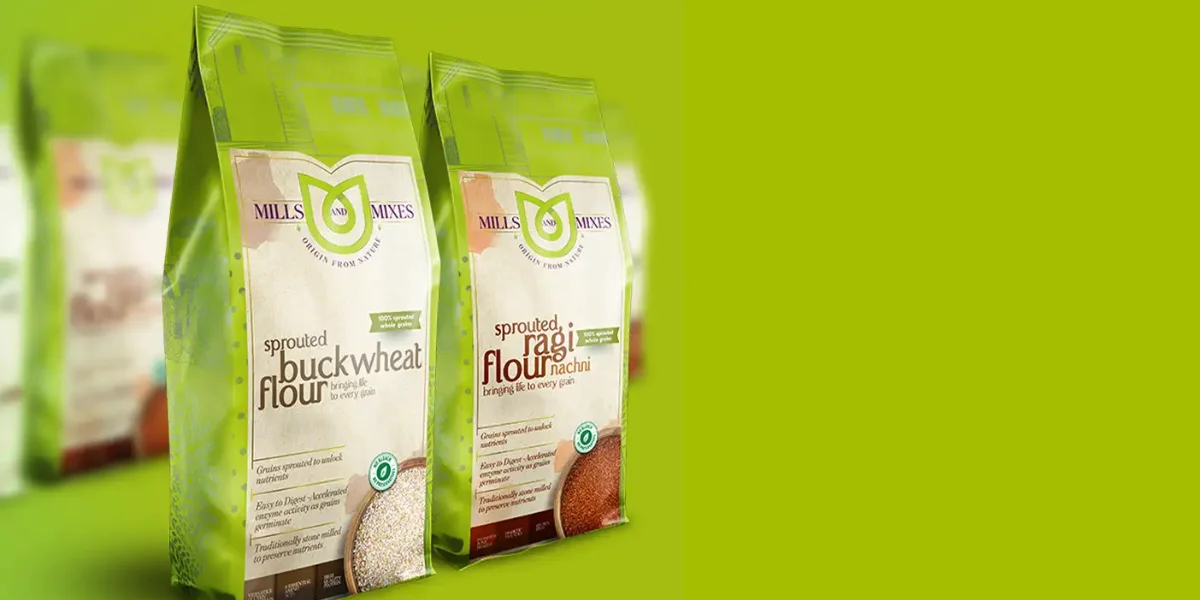
In a crowded marketplace, creative product packaging design is essential for capturing attention and differentiating your brand from the competition. Here are some packaging concepts to consider:
• Unique Shapes and Structures:
Think beyond the traditional box or bag. Innovative shapes and structures can create visual interest and make your product stand out.
Think beyond the traditional box or bag. Innovative shapes and structures can create visual interest and make your product stand out.
• Interactive Packaging:
Packaging that engages consumers through touch, sound, or even augmented reality can create a memorable brand experience.
Packaging that engages consumers through touch, sound, or even augmented reality can create a memorable brand experience.
• Personalized Packaging:
Customizable packaging that allows consumers to add their own personal touch can foster a sense of connection and loyalty.
Customizable packaging that allows consumers to add their own personal touch can foster a sense of connection and loyalty.
• Storytelling Packaging:
Packaging that tells a story about the brand, the product, or its origins can create an emotional connection with consumers.
Packaging that tells a story about the brand, the product, or its origins can create an emotional connection with consumers.
The Role of a Product Packaging Design Company
Developing effective healthy food packaging design requires a blend of creativity, technical expertise, and market knowledge. A professional product packaging design company can help you:
• Understand Your Target Audience:
A good design company will conduct market research to understand your target audience’s needs, preferences, and values.
A good design company will conduct market research to understand your target audience’s needs, preferences, and values.
• Develop a Strong Brand Identity:
Packaging should reflect your brand’s personality and values. A design company can help you develop a cohesive brand identity that resonates with your target audience.
Packaging should reflect your brand’s personality and values. A design company can help you develop a cohesive brand identity that resonates with your target audience.
• Create Visually Appealing Designs:
Design professionals have the skills and expertise to create visually appealing designs that capture attention and communicate your brand message effectively.
Design professionals have the skills and expertise to create visually appealing designs that capture attention and communicate your brand message effectively.
• Ensure Functionality and Compliance:
A design company can ensure that your packaging is functional, protects the product, and complies with all relevant regulations.
A design company can ensure that your packaging is functional, protects the product, and complies with all relevant regulations.
• Manage the Production Process:
From design to printing to manufacturing, a design company can manage the entire packaging production process.
From design to printing to manufacturing, a design company can manage the entire packaging production process.
Investing in Product Packaging Design Services
While it may be tempting to cut costs on packaging, investing in professional product packaging design services can pay off in the long run. Effective packaging can:
• Increase Sales:
Attractive and informative packaging can drive sales by capturing attention and influencing purchasing decisions.
Attractive and informative packaging can drive sales by capturing attention and influencing purchasing decisions.
• Build Brand Loyalty:
Packaging that reflects your brand’s values and delivers a positive customer experience can foster brand loyalty.
Packaging that reflects your brand’s values and delivers a positive customer experience can foster brand loyalty.
• Differentiate Your Product:
In a crowded marketplace, packaging can help you stand out from the competition and attract new customers.
In a crowded marketplace, packaging can help you stand out from the competition and attract new customers.
• Communicate Your Message:
Packaging is a powerful communication tool that can convey key messages about your brand, your product, and your values.
Packaging is a powerful communication tool that can convey key messages about your brand, your product, and your values.
The Future of Food Product Packaging Design
The field of food product packaging design is constantly evolving. Here are some emerging trends to watch:
• Sustainability:
Sustainable packaging solutions will continue to be a major focus, driven by consumer demand and environmental concerns.
Sustainable packaging solutions will continue to be a major focus, driven by consumer demand and environmental concerns.
• Technology:
Technologies like smart packaging, QR codes, and augmented reality will play an increasingly important role in enhancing the consumer experience.
Technologies like smart packaging, QR codes, and augmented reality will play an increasingly important role in enhancing the consumer experience.
• Personalization:
Personalized packaging will become more common, allowing brands to connect with consumers on a deeper level.
Personalized packaging will become more common, allowing brands to connect with consumers on a deeper level.
• Minimalism:
Clean, minimalist designs that emphasize simplicity and transparency will continue to be popular.
Clean, minimalist designs that emphasize simplicity and transparency will continue to be popular.
Conclusion
In the competitive world of food products, healthy food packaging design is a critical element for success. By investing in creative product packaging design that is both visually appealing and functional, brands can capture attention, communicate their values, and ultimately, drive sales. A professional product packaging design company can provide the expertise and support needed to develop effective packaging that resonates with your target audience and helps you achieve your business goals. When consumers are looking for food product packaging design that reflects a healthy lifestyle, the package itself becomes an integral part of the promise.
FAQ's
Packaging is the first impression. For healthy foods, it communicates trustworthiness and aligns with consumer values. It signals quality, freshness, and brand identity, influencing purchase decisions by conveying key information like ingredients and nutritional value. Effective design can build trust and brand loyalty, especially when emphasizing natural and sustainable materials.
Key elements include sustainable materials, a color palette that evokes naturalness, clear and legible typography, high-quality imagery, and a clear information hierarchy. Transparency, allowing consumers to see the product, builds trust. Functionality is also vital, ensuring the packaging protects the food, maintains freshness, and is convenient to use.
Creative packaging uses unique shapes, interactive elements, personalization, and storytelling to capture attention. This can differentiate your product in a crowded market, create memorable brand experiences, and foster an emotional connection with consumers. Innovation in design translates to increased shelf appeal and ultimately, drives sales.
Yes. Professional design ensures functionality, compliance, and a visually appealing brand identity. A design company understands your target audience, manages the production process, and creates packaging that increases sales and fosters brand loyalty. It’s an investment that pays off by differentiating your product and effectively communicating your brand message.
Understand your product and target audience. Choose food-safe, sustainable materials. Develop a visually appealing design with clear information. Ensure functionality for protection and preservation. Test the design and comply with all food safety regulations.
Food packaging protects food from damage, contamination, and spoilage. It’s vital for preservation, containment, and providing information. Effective packaging also plays a key marketing role, attracting consumers and promoting brand recognition on the shelf.
Packaging design attracts attention and communicates value. It builds brand recognition, differentiates products from competitors, and ultimately influences consumer purchase decisions. A well-designed package conveys quality, features, and brand identity, making it a critical marketing tool.
Research, define objectives, and develop a concept. Choose appropriate materials and create an appealing, informative design. Ensure functionality and test for improvements. Prepare for production with a print-ready design and a reliable manufacturing partner.
Packaging design protects and contains the product while communicating information. Its main purpose is to attract consumers, differentiate the product from competitors, and promote the brand. Effective design also facilitates ease of use and reinforces brand identity.


