

The Ultimate Guide: What is Product Packaging Design and Why It Matters
The Ultimate Guide: What is Product Packaging Design and Why It Matters
In a world where thousands of products vie for attention on digital and physical shelves, first impressions aren’t just important; they are everything. When a consumer looks at a shelf, they don’t see a list of ingredients or a technical manual first; they see a box, a bottle, or a wrapper. This brings us to a fundamental question: What is product packaging design?
At its core, product packaging design is the strategic blend of form, structure, materials, color, imagery, and typography with product information to make a product marketable. It is the silent salesman that communicates your brand’s story, values, and quality within seconds.
The Importance of Product Packaging Design
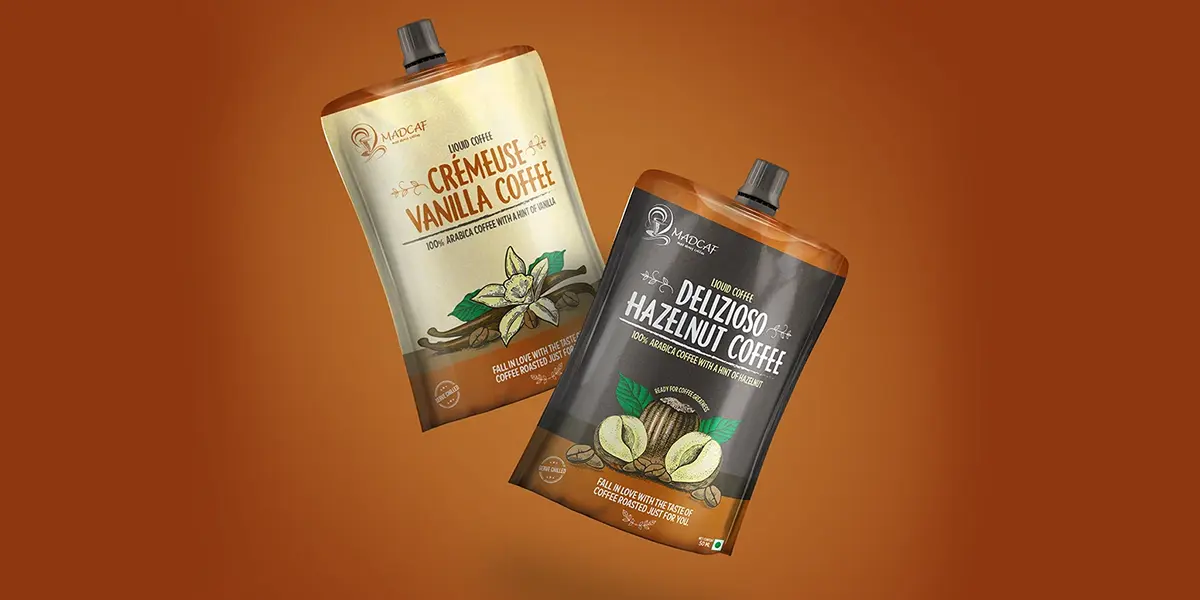
Modern marketing has shifted. It’s no longer just about the product inside; it’s about the experience of receiving it. The importance of product packaging design lies in its ability to influence consumer psychology. According to various marketing studies, roughly 70% of consumers form their impression of a brand based solely on its packaging.
1. Brand Recognition:
Consistent use of colors and logos helps customers identify your brand instantly.
Consistent use of colors and logos helps customers identify your brand instantly.
2. Protection and Utility:
Beyond aesthetics, the primary role of packaging products is to ensure they reach the consumer in perfect condition.
Beyond aesthetics, the primary role of packaging products is to ensure they reach the consumer in perfect condition.
3. Informed Decision Making:
Packaging provides essential information (usage, ingredients, safety warnings) that helps a buyer say “yes.”
Packaging provides essential information (usage, ingredients, safety warnings) that helps a buyer say “yes.”
Key Elements of Creative Packaging Design
To stand out in a saturated market, brands must move beyond the generic. Creative packaging design involves thinking outside the traditional box, literally. It’s about creating a “wow” factor during the unboxing process.
1. Visual Hierarchy
The most important information (the brand name or the product’s USP) should be the most prominent. If a customer has to search for what the product actually does, the design has failed.
2. Typography and Color Palette
Colors evoke emotions. For instance, green often suggests organic or eco-friendly vibes, while gold and black scream luxury. The right design and packaging choices can subconsciously tell the customer how much a product is worth.
3. Sustainability
Today’s consumers are eco-conscious. Using biodegradable materials or minimalist designs is no longer a niche trend; it’s a requirement for many modern new product packaging launches.
Developing Winning Packaging Concepts
Before a product ever hits the production line, it goes through a rigorous phase of developing packaging concepts. This stage involves:
1. Understanding the Persona:
Is the buyer a tech-savvy teenager or a health-conscious parent?
Is the buyer a tech-savvy teenager or a health-conscious parent?
2. Retail Environment:
How will the package look under grocery store fluorescent lights versus a sleek Instagram ad?
How will the package look under grocery store fluorescent lights versus a sleek Instagram ad?
3. Structural Integrity:
Does it stack well? Is it easy to open?
Does it stack well? Is it easy to open?
Successful packaging design bridges the gap between how a product looks and how it functions in the real world.
Why You Need Product Packaging Design Services
Many businesses attempt to DIY their visuals, but there is a profound difference between a pretty label and a strategic brand asset.
Professional product packaging design services offer deep industry knowledge, including print specifications, material sourcing, and legal compliance (like FDA or FSSAI labeling requirements).
Investing in a professional product packaging design company ensures that your brand isn’t just “another face in the crowd.” These experts use data-driven insights to choose textures and finishes (like matte, gloss, or foil stamping) that invite touch and build trust.
Product Packaging Design in India: A Growing Market
The landscape of product packaging design in India is evolving rapidly. With the rise of D2C (Direct-to-Consumer) brands and the “Make in India” initiative, local businesses are realizing that global-standard packaging is the key to competing internationally. From intricate traditional motifs used in luxury tea brands to the sleek, minimalist aesthetics of modern Indian skincare, the creativity in the domestic market is at an all-time high.
The Process of Launching New Product Packaging
Launching new product packaging is a multi-step journey:
1. Research:
Analyzing competitors and market gaps.
Analyzing competitors and market gaps.
2. Ideation:
Sketching multiple packaging concepts.
Sketching multiple packaging concepts.
3. Prototyping:
Creating 3D renders or physical samples to test size and fit.
Creating 3D renders or physical samples to test size and fit.
4. Testing:
Gathering feedback on how easy the package is to use.
Gathering feedback on how easy the package is to use.
5. Final Print:
Coordinating with high-quality printers to ensure color accuracy.
Coordinating with high-quality printers to ensure color accuracy.
Summary Table: Functional vs. Emotional Design
Feature | Functional Packaging | Emotional Packaging |
Primary Goal | Protection & Transport | Connection & Conversion |
Focus Area | Materials, Durability, Cost | Storytelling, Colors, Texture |
Conclusion
In summary, product packaging design is the intersection of art and science. It protects your investment while acting as a 24/7 marketing tool. Whether you are a startup looking for product packaging design in India or an established corporation refining your look, the design you choose is the most direct link between your brand and your customer.
Don’t let your product get lost on the shelf. By focusing on high-quality design and packaging, you aren’t just selling a product; you’re selling an experience.
FAQ's
Product packaging design is the strategic process of creating the exterior of a product. This includes the choice of material, form, structure, as well as the visual elements like colors, typography, and imagery. It is the intersection of art, science, and technology aimed at making a product “market-ready.”
The purpose of packaging is multi-layered, often categorized into functional and marketing roles:
- Protection: Safeguarding the product from physical damage, contamination, and environmental factors (light, moisture, air).
- Containment: Keeping the product together, especially for liquids, powders, or small granular items.
- Information: Providing essential details such as ingredients, instructions for use, expiry dates, and legal warnings.
- Utility: Making the product easier to transport, store, and use (e.g., a handle on a detergent bottle or a resealable zip on a snack pack).
The importance of product packaging design cannot be overstated in a competitive market:
- First Impressions: It is the first physical touchpoint a customer has with your brand.
- Brand Identity: It communicates your brand’s personality whether it’s luxury, eco-friendly, or budget-conscious.
- Differentiation: It helps your product stand out from dozens of competitors on the same shelf.
- Consumer Experience: Great packaging improves the “unboxing” experience, which builds customer loyalty and encourages social media sharing.
A packaging concept is the underlying idea or “blueprint” of how the product will be presented. It defines how the package should look, feel, and function to reach its target audience.
Key Packaging Decisions include:
- Packaging Levels: Deciding on the primary (immediate container), secondary (outer box), and tertiary (bulk shipping) layers.
- Material Choice: Selecting between plastic, glass, metal, or sustainable options like corrugated paper.
- Standardization vs. Differentiation: Deciding whether to follow industry norms for familiarity or break them to stand out.
- Family Packaging: Using a consistent design across a whole product line (e.g., all flavors of a soda brand having the same layout but different colors).
- Cost vs. Quality: Balancing the budget with the need for a premium feel.
Creating effective new product packaging involves a structured design process:
- Discovery & Research: Understand the product, the target customer, and the competitive landscape.
- Dieline Creation: Develop the flat technical drawing that shows where the package will be cut and folded.
- Concept Development: Create multiple packaging concepts using different colors, fonts, and graphics.
- Information Architecture: Organize where the logo, product name, and legal text will go for maximum clarity.
- Prototyping & Testing: Create 3D mockups to check the fit and get consumer feedback.
- Production: Send the finalized files to a printer for mass manufacturing.
Packaging is often called the “silent salesperson“ because it advertises for you at the most critical moment the point of purchase.
- In-Store Promotion: Attractive, creative packaging design grabs attention in a split second, often leading to impulse buys.
- Mobile Billboard: Branded bags or unique boxes act as advertisements when customers carry them in public.
- Social Media Content: “Unboxing” videos on platforms like YouTube or Tik-Tok provide free organic advertising if the packaging is visually stunning.
- Reinforcing Campaigns: Packaging can feature QR codes, promotional offers, or themes that align with TV or digital ads.


