
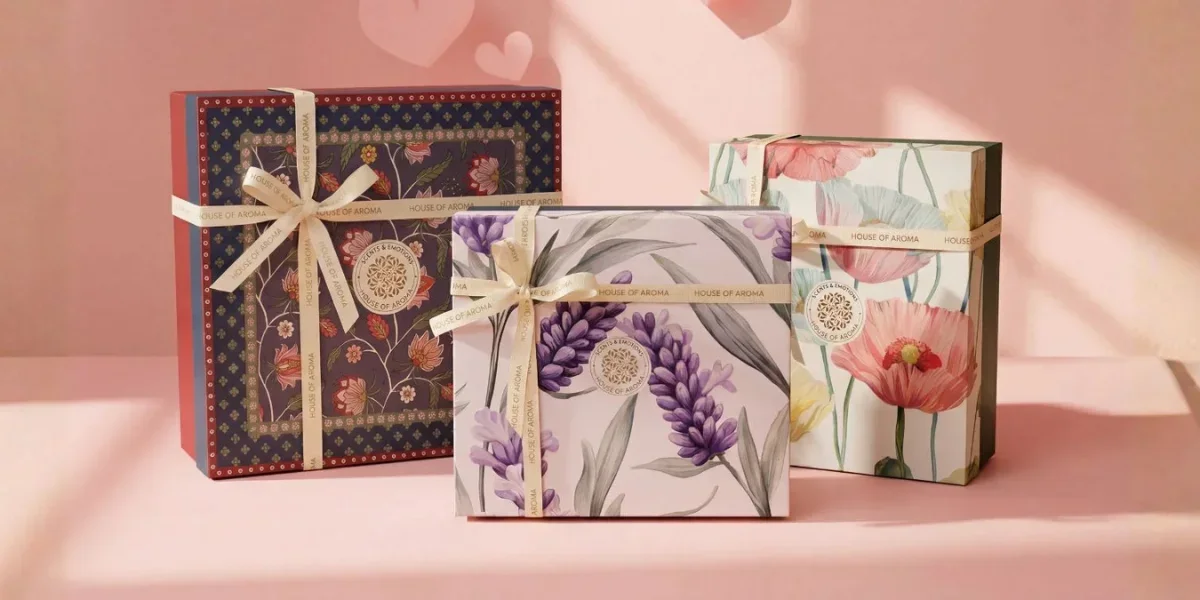
Explain Types of Box Packaging Design: Creative & Functional Solutions for Every Product
Explain Types of Box Packaging Design: Creative & Functional Solutions for Every Product
In the modern marketplace, packaging is no longer just a protective shell; it is a silent salesman, a brand ambassador, and a critical part of the customer experience. When you explain types of box packaging design, you aren’t just talking about cardboard you’re talking about the intersection of engineering, psychology, and art.
From the satisfying “click” of a magnetic closure to the rugged reliability of a shipping container, the right box design for products can define a brand’s success. This guide explores the diverse world of packaging, helping you navigate the journey of designing a product from concept to shelf.
Why Design and Packaging Matter
Before diving into the types, it is essential to understand that design and packaging serve three primary functions:
1. Protection:
Safeguarding the product from environmental damage and transit stress.
Safeguarding the product from environmental damage and transit stress.
2. Information:
Communicating ingredients, instructions, and legal requirements.
Communicating ingredients, instructions, and legal requirements.
3. Marketing:
Creating an emotional connection with the consumer through aesthetics.
Creating an emotional connection with the consumer through aesthetics.
Types of Box Packaging & Its Characteristics
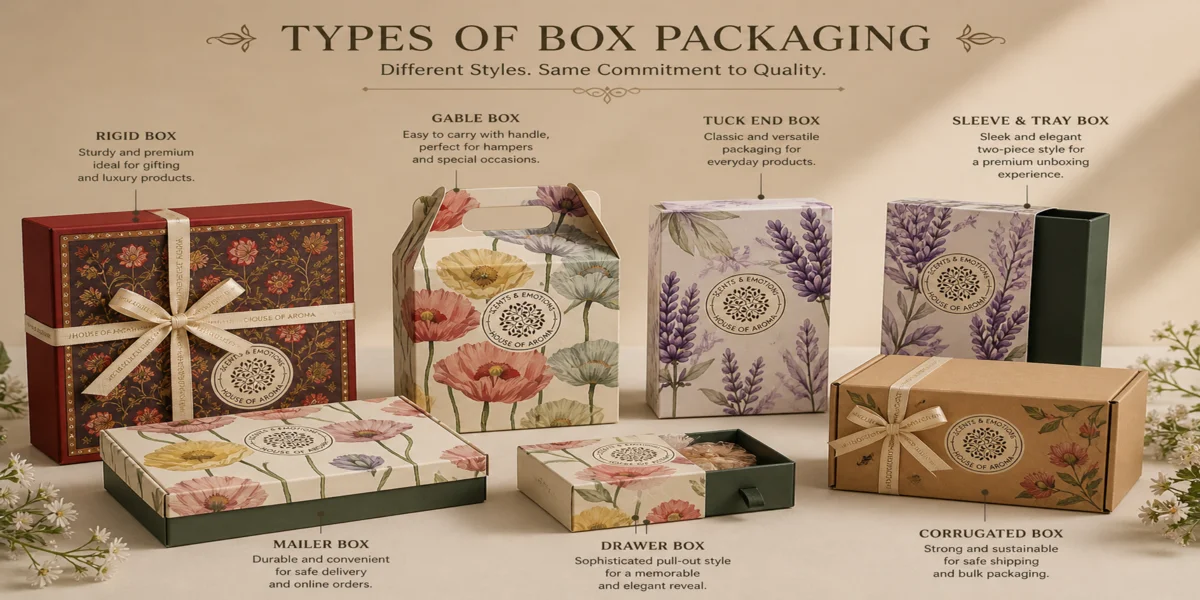
Choosing the right box packaging is more than just a logistical necessity; it is a strategic decision that impacts product safety, shipping costs, and brand perception. From the rugged durability of corrugated fiberboard to the sleek, premium finish of rigid boxes, each packaging type offers unique structural properties tailored to specific industry needs. Understanding these characteristics such as burst strength, weight, and foldability ensures that businesses select the most efficient material to protect their goods while enhancing the overall unboxing experience for consumers.
Folding Cartons (Cereal Boxes and Beyond)
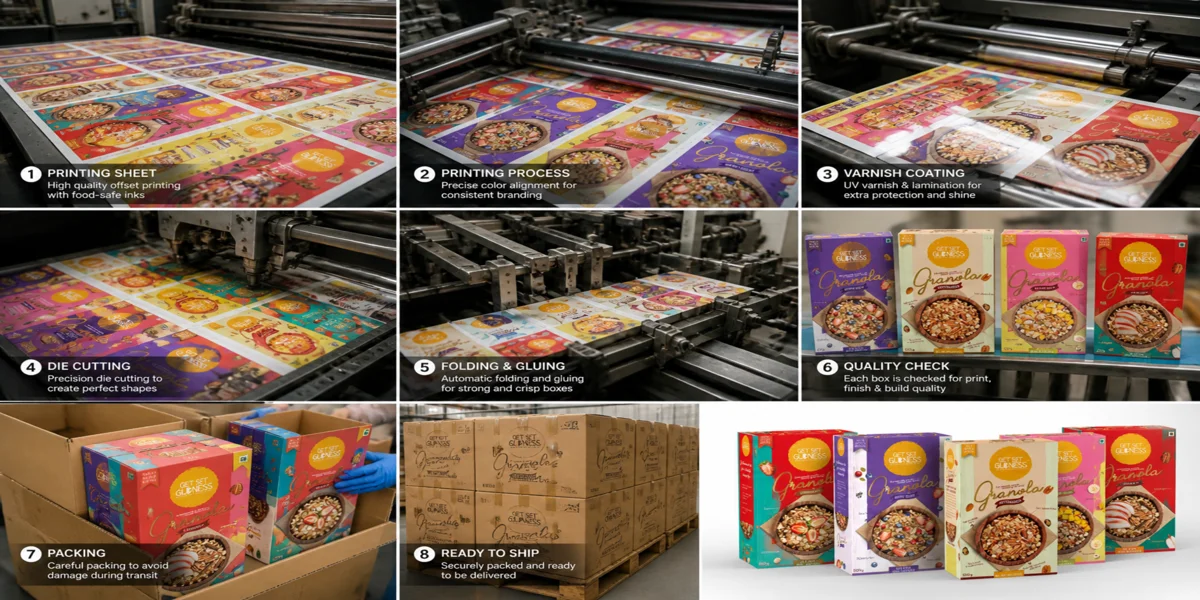
Folding cartons are the most common type of retail packaging. Usually made from a single sheet of paperboard, they are die-cut, folded, and glued.
Key Characteristics:
1. Material:
Typically SBS (Solid Bleached Sulfate) or Kraft paper.
Typically SBS (Solid Bleached Sulfate) or Kraft paper.
2. Best For:
Food, pharmaceuticals, cosmetics, and lightweight electronics.
Food, pharmaceuticals, cosmetics, and lightweight electronics.
3. Customization:
High. They support various finishes like UV coating, foil stamping, and embossing.
High. They support various finishes like UV coating, foil stamping, and embossing.
Functional Advantage:
They ship flat, which saves significantly on storage and transportation costs. Because they are thin, they allow for high-quality offset printing, making them a favorite for “shelf-pop.”
Rigid Boxes (The Luxury Standard)
If you’ve ever unboxed an iPhone, you’ve experienced a rigid box. Also known as “set-up boxes,” these are made from thick, condensed paperboard that is 4 to 5 times thicker than a standard folding carton.
Key Characteristics:
1. Durability:
They do not collapse or fold.
They do not collapse or fold.
2. Aesthetics:
Often wrapped in decorative paper, fabric, or leatherette.
Often wrapped in decorative paper, fabric, or leatherette.
3. Best For:
Luxury watches, high-end electronics, jewelry, and gift sets.
Luxury watches, high-end electronics, jewelry, and gift sets.
Why Use Them?
Rigid boxes provide an unparalleled “unboxing experience.” The weight and sturdiness signal high value to the consumer, justifying a premium price point.
Corrugated Boxes (The Shipping Powerhouse)
Commonly referred to as “brown cardboard,” corrugated boxes are engineered for strength. They consist of three layers: an inside liner, an outside liner, and a fluted medium in between.
Types of Corrugated Flutes:
1. A & B Flutes:
Thick walls for heavy-duty cushioning.
Thick walls for heavy-duty cushioning.
2. E & F Flutes:
Thinner walls often used for “mailer boxes” that combine strength with a retail-ready look.
Thinner walls often used for “mailer boxes” that combine strength with a retail-ready look.
Sustainability Factor:
Corrugated cardboard is one of the most recycled materials on the planet. For brands looking to improve their “green” credentials, corrugated is the gold standard for functional, eco-friendly design.
Sleeve and Tray Packaging (The Drawer Box)
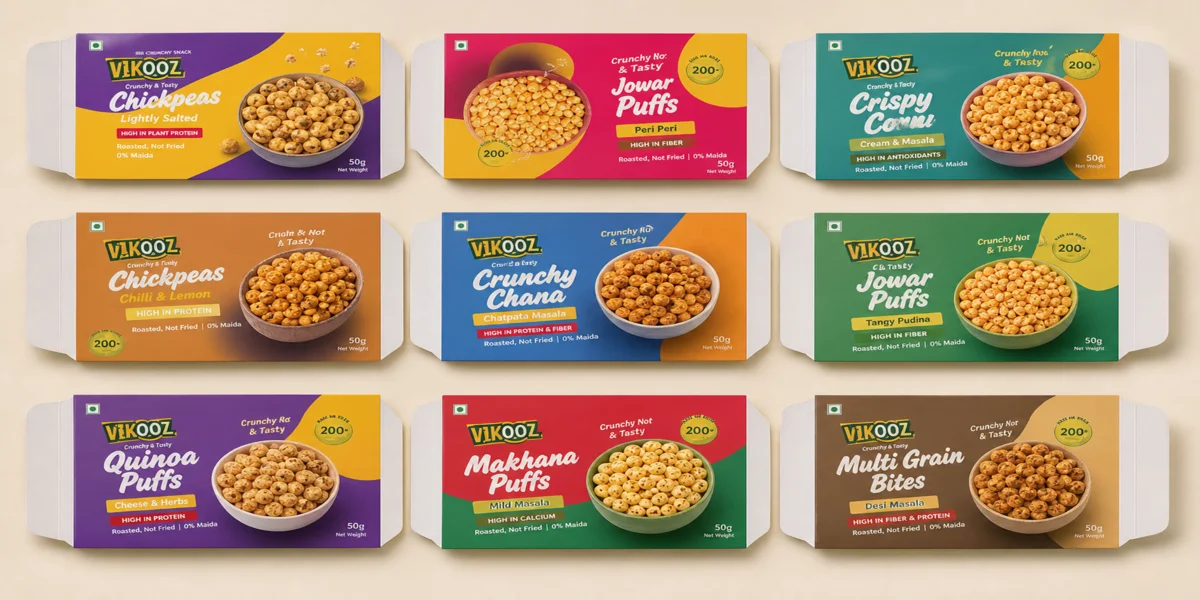
Also known as “slide packaging,” this design consists of a tray that slides into a decorative sleeve.
Why Choose This?
1. Interactive:
It engages the user physically as they “slide” to reveal the product.
It engages the user physically as they “slide” to reveal the product.
2. Versatility:
You can use a rigid tray for high-end items or a folding carton tray for budget-friendly options.
You can use a rigid tray for high-end items or a folding carton tray for budget-friendly options.
3. Common Uses:
Macarons, boutique soaps, and tech accessories.
Macarons, boutique soaps, and tech accessories.
Mailer Boxes (The Subscription Box King)
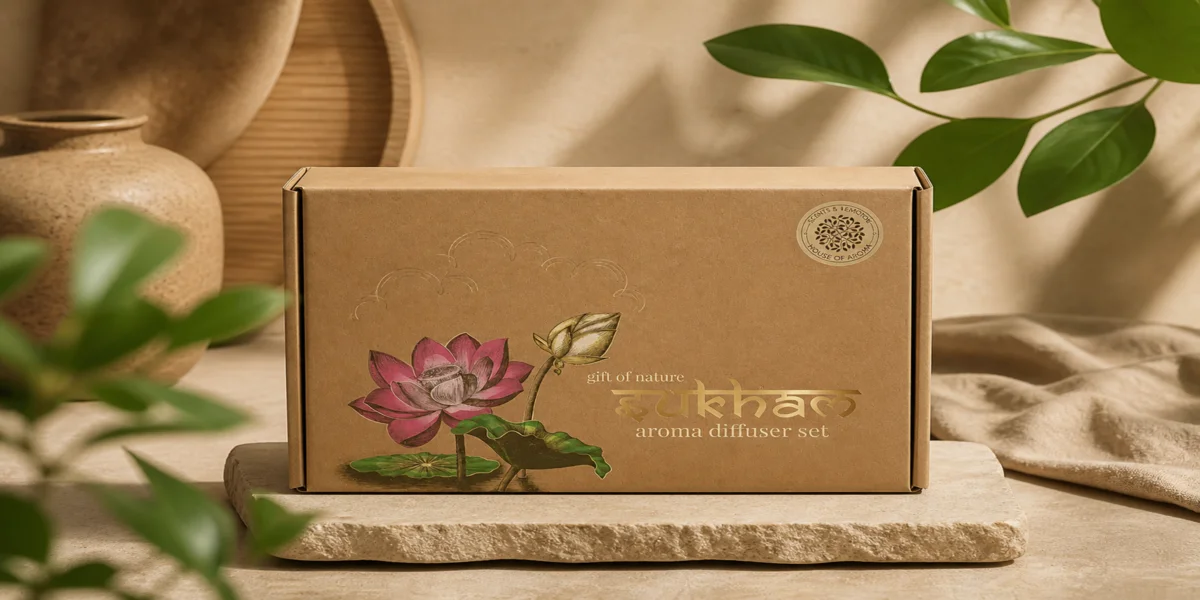
Mailer boxes are a subset of corrugated packaging designed specifically for direct-to-consumer (DTC) shipping. They feature “wings” and a self-locking lid that eliminates the need for excessive adhesive tape.
Creative Solutions:
Modern brands often use internal printing on mailer boxes. While the outside remains plain to deter theft during shipping, the inside reveals a burst of color or a brand message when opened.
Specialty & Custom Die-Cut Boxes
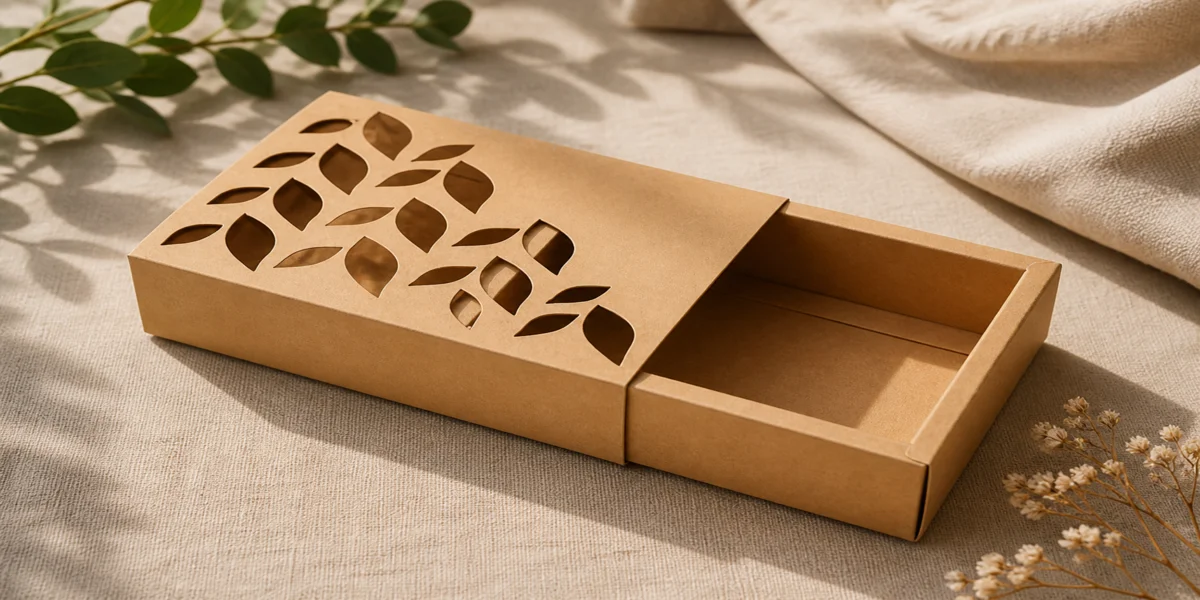
Sometimes, a standard rectangle won’t cut it. Die-cut boxes are custom-shaped to fit a specific product or to create a unique visual silhouette.
1. Window Patched Boxes:
Features a clear plastic window so customers can see the product inside.
Features a clear plastic window so customers can see the product inside.
2. Pillow Boxes:
Curved boxes that resemble a pillow, popular for small gifts or apparel.
Curved boxes that resemble a pillow, popular for small gifts or apparel.
3. Gable Boxes:
Boxes with a built-in handle, commonly used in the food industry for “to-go” meals.
Boxes with a built-in handle, commonly used in the food industry for “to-go” meals.
Functional vs. Creative Design: Finding the Balance
When you explain types of box packaging design, you must address the tension between form and function.
Functional Design Considerations:
1. Weight Capacity:
Does the box bottom need to be reinforced (auto-lock bottom vs. tuck-end)?
Does the box bottom need to be reinforced (auto-lock bottom vs. tuck-end)?
2. Shelf Life:
Does the material need moisture resistance?
Does the material need moisture resistance?
3. Logistics:
Can it be stacked without crushing?
Can it be stacked without crushing?
Creative Design Considerations:
1. Typography:
Using bold fonts to establish brand personality.
Using bold fonts to establish brand personality.
2. Minimalism:
Using white space to denote luxury and clarity.
Using white space to denote luxury and clarity.
3. Tactile Finishes:
Soft-touch lamination or “spot UV” (glossy accents) to engage the sense of touch.
Soft-touch lamination or “spot UV” (glossy accents) to engage the sense of touch.
Comparison Table: Choosing Your Box Type
Box Type | Durability | Cost | Best Use Case |
Folding Carton | Low | Low | Retail shelves (Cereal, Tea) |
Rigid Box | High | High | Luxury goods (Jewelry, Phones) |
Corrugated | Very High | Moderate | Shipping and E-commerce |
Mailer Box | High | Moderate | Subscription services |
Gable Box | Moderate | Moderate | Food and Party favors |
The Role of a Packaging Design Agency
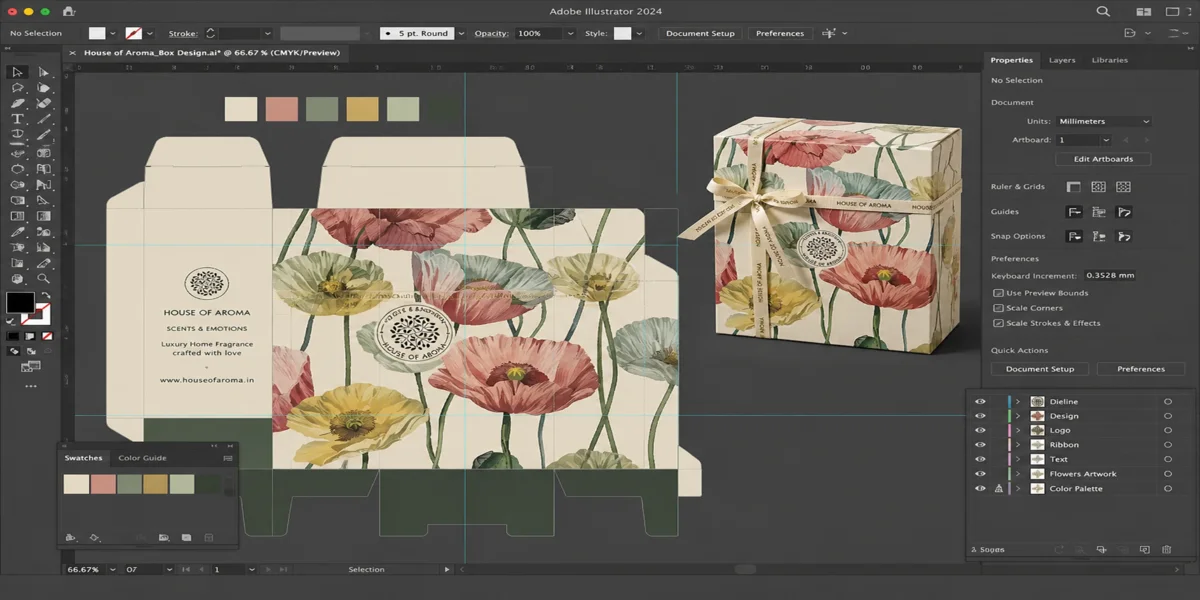
Many companies struggle with the technical side of a box design for project needs. A professional packaging design agency bridges the gap between a pretty picture and a manufacturable product. They assist with:
1. Dielines:
Creating the 2D “blueprint” or box packaging layout that the printer uses.
Creating the 2D “blueprint” or box packaging layout that the printer uses.
2. Material Sourcing:
Finding the right balance between cost and durability.
Finding the right balance between cost and durability.
3. Compliance:
Ensuring all legal symbols and barcodes are correctly placed.
Ensuring all legal symbols and barcodes are correctly placed.
Creative Box Packaging Design Ideas
If you are currently designing a product, consider these creative avenues for your packaging design for box:
1. The Sleeve and Tray:
A drawer-like opening mechanism that feels interactive.
A drawer-like opening mechanism that feels interactive.
2. The Pillow Box:
A curved, elegant shape perfect for apparel or jewelry.
A curved, elegant shape perfect for apparel or jewelry.
3. Gable Boxes:
Featuring a built-in handle, these are excellent for box packaging design for food or gift sets.
Featuring a built-in handle, these are excellent for box packaging design for food or gift sets.
Tips for Your Next Box Design for Project
1. Prioritize the Hierarchy:
The most important information (Product Name, Key Benefit) should be visible in the first 2 seconds.
The most important information (Product Name, Key Benefit) should be visible in the first 2 seconds.
2. Sustainability:
Use FSC-certified papers. Customers in 2026 value the “end of life” of the package as much as the product inside.
Use FSC-certified papers. Customers in 2026 value the “end of life” of the package as much as the product inside.
3. Test the Layout:
Always print a 1:1 scale mockup of your box packaging layout to ensure the text isn’t too small and the folds work correctly.
Always print a 1:1 scale mockup of your box packaging layout to ensure the text isn’t too small and the folds work correctly.
Conclusion
Whether you are exploring luxury box packaging design for a new perfume or a minimalist healthy food packaging design, the box is the first physical touchpoint your customer has with your brand. By understanding the various types of box packaging, you can create a packaging design for box that isn’t just a container, but a powerful tool for growth.
FAQ's
The main types of box packaging include folding cartons (retail), rigid boxes (luxury), corrugated boxes (shipping), and specialty die-cut boxes like gable or pillow boxes.
Box packaging design for food requires food-grade materials, moisture barriers, and a focus on nutritional transparency. Healthy food packaging design specifically often uses minimalist aesthetics and eco-friendly materials to appeal to health-conscious consumers.
To begin designing a product box, you first need a box packaging layout (dieline). This is the 2D flat template that includes all fold lines and cut lines. Most brands hire a packaging design agency to ensure the layout is technically accurate for mass production.
Choosing the right types of box packaging depends on the product’s weight, fragility, and retail environment. The most common styles include:
- Folding Cartons: Lightweight boxes (like cereal or medicine boxes) made from paperboard.
- Corrugated Boxes: Durable “cardboard” boxes used primarily for shipping and heavy items.
- Rigid Boxes: Luxury packaging (like iPhone boxes) made from thick, non-collapsible paperboard.
- Subscription Boxes: Mailer-style boxes designed for a high-end unboxing experience.
- Sleeve and Tray: A sliding drawer-style box often used for premium small goods.
Effective box design for products serves two primary purposes: protection and persuasion. Professionally designed packaging ensures the product arrives undamaged while acting as a “silent salesperson” on retail shelves. High-quality design increases perceived value, communicates essential brand information, and influences consumer purchasing decisions through visual psychology and tactile appeal.
When selecting a packaging design agency, look for a partner that balances structural engineering with visual creativity. Key factors include:
- Portfolio Variety: Evidence of working with different materials and industries.
- Technical Knowledge: Understanding of dielines, printing processes (CMYK vs. Pantone), and finishing techniques.
- Sustainability Focus: Ability to source eco-friendly materials.
- Market Insight: A track record of creating designs that stand out in competitive retail environments.
The integration of design and packaging usually follows a strategic four-step workflow:
- Dieline Creation: Developing the flat template (blueprint) of the box structure.
- Visual Layout: Applying branding, typography, and regulatory information (barcodes, ingredients) to the dieline.
- Prototyping: Creating physical 3D mockups to test fit, function, and durability.
- Production: Finalizing files for the printer and selecting finishes like matte lamination, foil stamping, or UV coating.
Box packaging design is the physical manifestation of a brand’s identity. It is often the first tangible interaction a customer has with a company. Through the use of specific textures, colors, and opening mechanisms, packaging design builds brand loyalty and creates a memorable “unboxing experience” that encourages social media sharing and repeat purchases.


