Box creative design gets judged in a few seconds: the time it takes a guest at a Diwali get-together in Lucknow to slide the sleeve off a mithai box, lift the lid and decide whether this brand is one to remember. Nobody reads the back panel in those seconds. They feel the board and see whatever is sitting on top.
A box is a different creative problem from a pouch or a label. It has a lid, an inside, an insert, a way of opening and often a second life on someone’s shelf holding bangles or old letters. Each of those is a place for an idea.
The boxes that get remembered are rarely the busiest ones. They’re the ones where one good idea was made to work on a real packing table, in a courier van, through a Mumbai monsoon. This guide stays on the box, and on keeping each idea practical to make and ship. For ideas across every kind of pack, see the guide to creative packaging design.
What Is Box Creative Design?

Box creative design is the work of planning how a box looks, opens and feels, so that unpacking it becomes part of the product. It covers the outside print, the structure, the insert, the inside surfaces and the order in which things are revealed. A label designer gets one flat surface. A box designer gets six outer faces, an inside, a lid, a tray and the gap between closed and open. That’s a lot of canvas, and a lot of ways to get it wrong.
How Is It Different From Choosing a Box Type?
Picking a box type, like a tuck-end carton or a rigid lid-and-base, is a structural decision; the guide to types of box packaging design covers those. Creative work sits on top. Two brands can pick the same drawer box: one gets plain black, the other a tray printed with a hand-drawn map of the spice farms.
The Three Zones of Any Box
It helps to split a box into three zones:
- The outside: what someone sees first, on a shelf, a doorstep or a phone screen.
- The opening: how it opens, what the hands do, what shows up first.
- The inside: printed surfaces, the insert, the card, and whether the box is worth keeping.
Most brands pour their effort into the first zone. The boxes people talk about win in the other two.
FAQs: What Box Creative Design Means
What does box creative design mean?
It means designing a box’s look, structure, opening and inside together, so opening it feels planned rather than accidental.
Is box creative design only for luxury products?
No. A plain kraft mailer with a short message printed inside the lid is a creative box too. The idea matters more than the material.
What is the difference between box design and creative box design?
Box design is the whole job of making a box that protects, informs and sells. The creative part is the layer of ideas on top of that: how it opens, what’s printed inside, what makes someone smile.
What kinds of boxes does Brij Design Studio design?
Its packaging page lists rigid boxes, magnetic boxes, sleeve boxes, drawer boxes, gift boxes and premium product boxes, alongside pouches, labels and other formats.
Why Is a Box Such a Good Place for Creative Ideas?
Because a box gets handled slowly. A chips packet is torn open in a second. A box is turned over, opened, explored and often kept, which gives an idea time to land.
Think about where boxes turn up in Indian homes: wedding favours, Diwali and Eid hampers, a first phone, a watch, a cake from the good bakery. Moments people want to remember. A box that adds to the moment gets photographed and reused. A dull one goes to the raddiwala with the newspapers.
There’s a business reason too. For a brand that sells online, the box is often the first thing a customer touches from it, and it has to confirm the buyer made a good call.
It isn’t all upside. Every creative extra adds a step for whoever packs the box, and sometimes a new cutting die. So the useful question is never “can we add something clever?” It’s “which one idea is worth the extra step?”
And not every box needs it. A detergent carton on a supermarket shelf needs a clear front and strong board far more than a clever reveal.
FAQs: Why Boxes Suit Creative Ideas
Why do people keep some boxes and throw others away?
Kept boxes tend to be sturdy, good-looking and a handy size for something else. Thin, heavily branded cartons rarely make it past the week.
Does a creative box help with repeat orders?
It can help people remember the brand, which matters when they’re about to reorder. It won’t rescue a weak product.
Which products gain the most from a creative box?
Gifts, sweets and premium food, beauty, jewellery, small electronics and anything sold online, where the box is the first thing the buyer holds.
How does Brij Design Studio decide how much creative effort a box needs?
Its packaging work starts with a deep dive into the product, the target audience and the market positioning. That shows whether the box is mainly a shelf seller, a gift or a shipping case, and how much it should do beyond protecting the product.
Which Creative Ideas Work Best on a Box?
The ideas that work best use something only a box has: a lid, an inside, an insert or a shape. Ideas that could sit on any flat label leave the box’s best features unused.
A sensible order is the opening first, then the inside, then the outside. It sounds backwards. It isn’t. The outside makes a promise, and it’s easier to write once you know what the inside delivers.
Box Creative Design Ideas for the Opening Moment
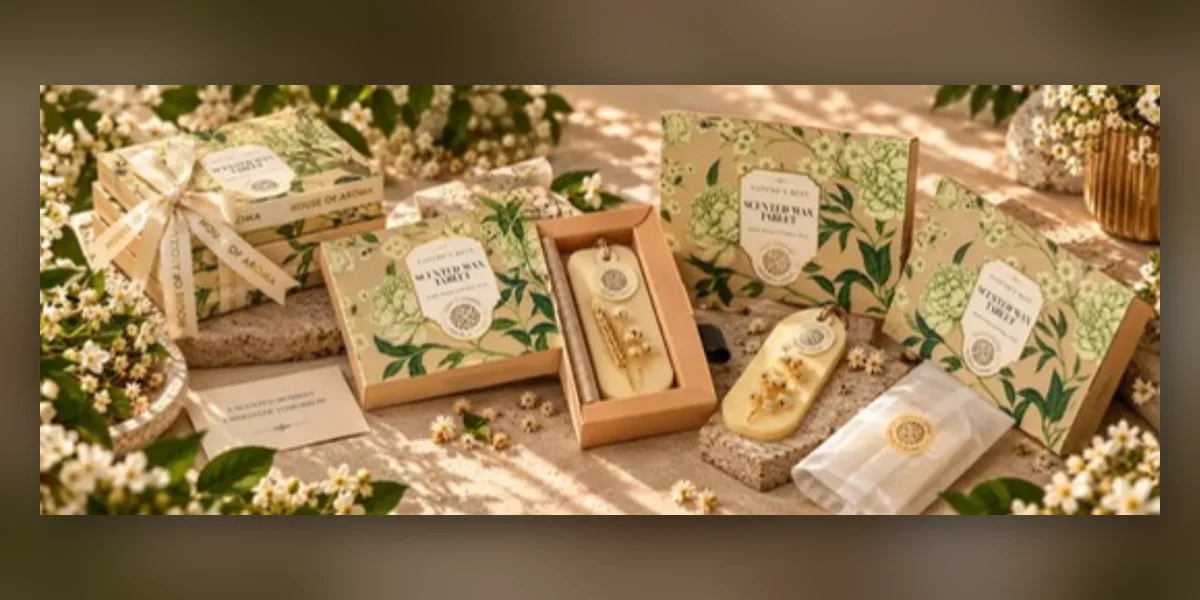
The opening has no equivalent on a website or in an ad. It’s physical and it happens in order, so plan it like a very short scene.
1Ribbon or Tab Pull
A fabric or paper tab that lifts the tray or slides out the drawer. It tells the hands what to do, which matters more than it sounds.
2Thumb Notch on a Lift-Off Lid
A small half-moon cut in the base so the lid comes away cleanly. Without it, a tight rigid lid turns the first moment into a wrestling match.
3The Slow Drawer
A snug drawer slides out slowly and builds a little suspense on its own. Make it too tight and it jams once the air gets humid.
4Magnetic Flap With a Line Inside
The flap opens like a book cover. Print one short sentence inside it, so the first thing anyone reads is the brand talking.
5Tear Strip for Mailers
A zip-style strip that opens a shipped box without a knife. Practical, and it says someone thought about the customer.
6Layered Reveal
Tissue, then a card, then the product. Two layers are usually enough. Five starts to feel like homework.
How Should an Insert Present the Product?
The insert decides what someone sees first when the lid comes off. Put the hero item at the top or centre and give the fingers an easy way to lift it out. Options, from simplest to most involved:
- A die-cut paperboard insert with a shaped hole. Easy to make, easy to recycle, and it can carry print.
- A moulded pulp tray, which hugs awkward shapes like bottles and candles and has an honest, earthy look.
- A two-level tray whose top layer lifts by a ribbon to show a second layer. Good for hampers.
- Fabric-wrapped or flocked trays for jewellery and watches, where the insert is part of the luxury.
Foam looks cheap the moment it’s visible and is hard to recycle; board or pulp nearly always does better. And add finger cut-outs, small half-circles beside the product, so it lifts out without tipping the box. Tiny detail. People notice when it’s missing.
Printed Insides
Printing the inside of a box is one of the cheapest surprises going, especially on mailers. A pattern, a map of where the ingredients come from, a note in the founder’s handwriting. Keep it to one idea, not the whole brand book. One caution: printing both sides of the board can mean an extra print pass, so ask the box maker before falling in love with it.
FAQs: Opening Moments and Inserts
What is the best insert material for a gift box?
Paperboard or moulded pulp suits most products. Fabric-wrapped trays suit jewellery and watches. Avoid visible foam if the box is meant to feel premium.
How do I make an unboxing feel special on a small budget?
Print a message inside the lid and add one well-placed card. Neither costs much, and together they change the first moment completely.
How many layers should a box have when it’s opened?
Two is plenty for most products. More layers start to feel like a chore and slow down packing.
Can Brij Design Studio design the insert and the way a box opens, not just the print?
Yes. Its packaging work moves from structural ideas to visual execution, and its packaging page names the stages as concept, structure and print-ready. How much structural and dieline work a project includes depends on its scope.
Creative Ideas for the Outside of a Box
The outside has one job first: get picked up, or get noticed on the doorstep. These ideas use the box’s build, not just its print.
Windows and Cut-Outs
A window lets the product sell itself. The creative part is the shape: a cut-out shaped like the product, a leaf, or a peephole that shows only a corner and makes people curious. Keep windows away from folds and glue flaps, or the box gets weak exactly where it needs strength.
Sleeves and Belly Bands
A sleeve slides over a plain box; a belly band is a narrower strip around its middle. Both let a brand keep one standard box and change the story on top: five sleeves for five flavours, or a Diwali band in October. Practical, and underused.
Shapes Beyond the Rectangle
Hexagons, pillow boxes, tall tubes, a little house-shaped box for a home fragrance. They get noticed. They also waste board and stack badly, so they suit gifts and limited runs better than everyday products.
Finishes That Earn a Touch
Foil, embossing, spot UV, soft-touch lamination, textured papers. A finish is creative when it’s placed for a reason: emboss the one word people should run a thumb over, foil the edge that catches the light as the lid lifts. A box covered in finishes looks busy, not rich. Thin letters can also fill in under foil; the note on fonts for packaging goes into that.
FAQs: Ideas for the Outside of a Box
Do windows weaken a box?
They can, if the window sits too close to a fold or the board is thin. Placed sensibly, a window box holds up well, and a clear film over the opening keeps dust out.
What is a belly band on a box?
A printed strip that wraps around the middle of a box. Brands use it to change the message for a season or a variant without reprinting the whole box.
Which box finish looks the most premium?
There isn’t one answer. A soft-touch surface with one small foil detail often looks richer than a box covered in shine.
Does Brij Design Studio help choose finishes and materials for a box?
Yes. Its packaging page lists sensory finishes and material selection as one of its services, aimed at packs with a feel people want to hold.
How Do Festive, Gift and Limited-Edition Boxes Stay Fresh?
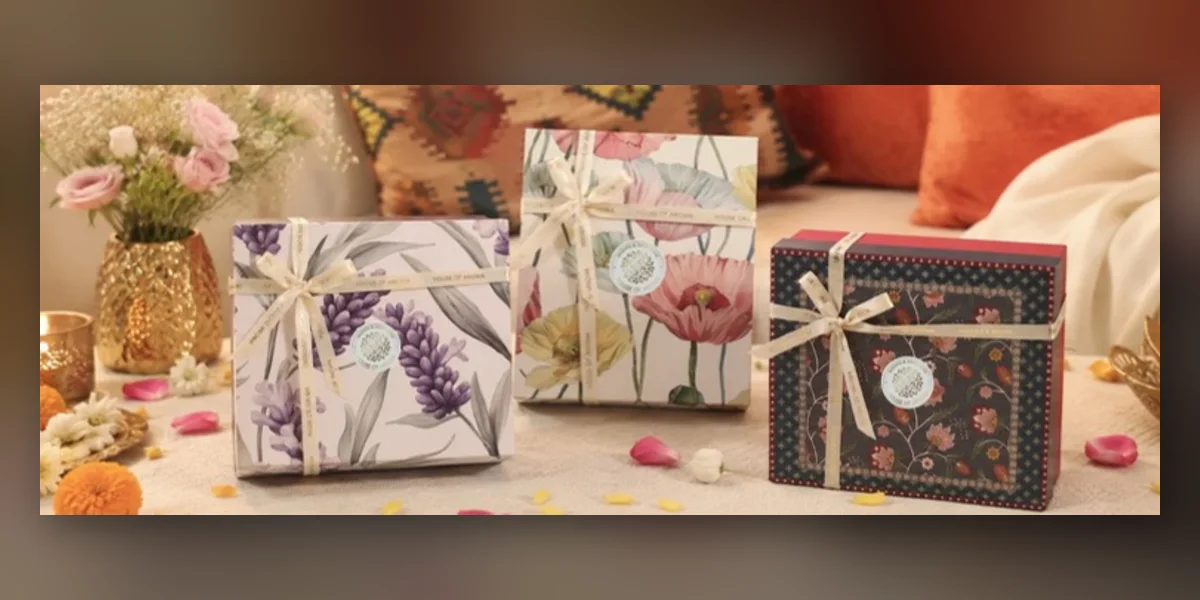
Keep the box, change the dressing. India’s festive calendar runs from Rakhi to Diwali, Christmas and Eid, with wedding season around most of it. No brand can build a new structure for each. What works is a system:
- One sturdy base box that suits the product all year round.
- A seasonal sleeve, band, ribbon colour or inside-lid print that changes with the festival.
- A small card or tag, even printed with each receiver’s name for corporate orders.
Limited editions can push further: a numbered sleeve, an illustration printed once, a collaboration with a local artist. The point of a limited edition is that it ends, so make the ending part of the design. “Monsoon Batch, No. 214” printed small on the base gives people a reason to keep the box. The guide on design for boxes covers how a gift box’s faces come together.
In festive week, a household might receive several gift boxes at once. The one that gets remembered is usually useful afterwards: sturdy enough for dry fruits or jewellery, or with a tray that works as a serving tray. Design for the second use and the box stays long after the sweets are gone.
FAQs: Festive and Limited-Edition Boxes
How can a brand make a Diwali box without a full redesign?
Keep the existing box and add a festive sleeve, band or inside print. It’s quicker to approve and easier on stock planning.
What makes a gift box reusable?
A rigid build, a lid that closes well and a size that suits common household things. Keep the loudest branding on the sleeve, so the box itself looks good on a shelf.
Are limited-edition boxes worth it for small brands?
Sometimes. They work when there’s a story behind them, like a season, a batch or a collaboration. Without one, they’re just a different colour.
Can Brij Design Studio design a festive edition of a brand’s existing box?
Gift boxes and sleeve boxes are among the formats its packaging page lists, and its work begins by understanding the product and audience, so a festive edition can be built around a brand’s current pack rather than replacing it.
How Do You Keep a Creative Box Practical to Make and Ship?
Design the idea around the factory, the packer and the courier from the first sketch, not at the end. Otherwise a box that’s slow to pack or easily crushed gets trimmed back until the idea is gone.
Packing Time Counts
Someone has to fold, fill and close every box, often in festive rush. A hand-tied ribbon is lovely on two hundred gift sets and miserable on twenty thousand orders.
Flat or Rigid?
Rigid boxes arrive built and fill the godown. Cartons and mailers arrive flat. If the idea needs rigid board, plan storage before the first lorry turns up.
The Gift Box Is Not the Shipper
A beautiful rigid box usually travels inside a plain corrugated outer, so don’t skip it. For brands that ship direct, a printed mailer can do both jobs, but then it has to survive the trip on its own. The test procedures from the International Safe Transit Association simulate the drops, vibration and squeezing a parcel goes through, a useful reference when discussing strength with a box maker.
What Pushes the Cost Up
Cost depends on the number of products, pack formats, materials and print runs. The usual drivers are a new cutting die for an unusual shape, extra print passes, special finishes, hand assembly and rigid board. Pick the one that carries the idea and let the rest go.
What Should You Test Before a Creative Box Goes to Print?
Test the box as an object, not a PDF. A white sample (an unprinted model of the real structure) and one printed mock-up catch most of what a screen hides.
- Open and close it ten times. Does the lid still fit? Does the ribbon fray?
- Hand it to someone who has never seen it. Do they find the way in without help?
- Pack it with the real product and drop it from waist height. Check the corners and the insert.
- Leave a drawer box in a humid room overnight. Board swells, and a snug drawer can become a stuck one.
- Photograph it closed and open on a phone. Plenty of boxes are first seen in someone’s story.
- Time the packing. Then ask the packer what annoyed them.
Packers find the problems designers miss.
FAQs: Making and Shipping Creative Boxes
Why do creative box ideas get dropped during production?
Usually because they slow packing, need a new die or add a print pass nobody planned for. Planning for these early keeps the idea alive.
What is a white sample in box design?
An unprinted model of the box in the real board and structure. It shows how the box folds, opens and holds the product before anything is printed.
Do creative boxes cost more to ship?
Odd shapes and rigid boxes can, because they take more space. Flat-packed cartons and right-sized mailers are the lighter route.
How does Brij Design Studio check that a creative box can actually be made?
Its process moves from structural ideas to visual execution and ends with print-ready artwork and realistic 3D mock-ups, so the structure is part of the work from the start rather than an afterthought.
Steps to Turn a Box Idea Into a Finished Box
Start with the feeling you want at opening, settle the structure before the artwork, and test with real hands.
1Write the Moment
One sentence on what the person should feel when the lid comes off. “Like opening grandmother’s jewellery box” is a better brief than “premium”.
2Pick One Big Idea
Choose the zone that carries it: outside, opening or inside. The other two support it quietly.
3Agree the Structure Early
Talk to the box maker about board, sizes and assembly before the artwork starts.
4Lay the Art on the Dieline
Place the artwork on the box’s flat outline with bleed, folds and glue areas marked. The guide to box packaging layout explains the flat view in detail.
5Mock It Up and Use It
Pack a real product in it, open it, and courier one to a friend in another city.
6Approve, Then Check the First Batch
Fix what the tests showed, check colours on a printed proof, then open a few machine-made boxes before the rest ship.
At Brij Design Studio, box work follows the three stages its packaging page names: concept, structure and print-ready. The middle stage is exactly where most creative boxes either become buildable or quietly fall apart.
FAQs: Steps to Develop a Creative Box
What is a dieline?
The flat outline of a box that shows where it’s cut, folded and glued. All the artwork is laid out on it.
How long does it take to develop a creative box?
It depends on the structure, the number of mock-up rounds and the print method. A new sleeve on an existing box is quick. A new rigid structure with a custom insert takes a good deal longer.
Should the product be final before the box is designed?
Its size and weight should be. The box can be sketched earlier, but the insert can’t be cut until the product’s exact dimensions are fixed.
What does Brij Design Studio hand over at the end of a box project?
Print-ready artwork and realistic 3D mock-ups, as its packaging page describes.
Questions to Ask Before You Say Yes to a Creative Box Idea
Run every idea through these before it goes near a printer. If more than two answers are “not sure”, keep working.
- What’s the one thing someone should remember after opening this box?
- Which zone carries the idea: outside, opening or inside?
- How long does one box take to pack, and who packs it?
- Will it survive a courier, a monsoon and a stack of heavier boxes on top?
- Can it be recycled, or at least reused?
- Can next season’s version be a sleeve change instead of a new box?
The recycling question deserves more than a tick. Materials glued together, like plastic windows on board, are the usual trouble; the guide to sustainable packaging design has simpler options.
FAQs: Questions to Ask About a Box Idea
How many creative ideas should one box have?
One main idea, with one or two quiet supporting details. Beyond that, they start competing for attention.
Who should approve a creative box design?
The founder, the designer, someone from packing or operations and, ideally, the box maker. The packer’s view tends to save the most trouble later.
Can I test a box idea with customers before printing?
Yes, and it’s cheap. Hand a mock-up to five or six people who fit the audience and watch them open it without explaining anything.
What should a founder bring to a first box meeting with Brij Design Studio?
The product or a sample, who it’s for, where it sells and which competitors sit next to it. The studio’s packaging work begins with exactly that deep dive into product, audience and market positioning.
Common Mistakes With Creative Boxes
Most creative boxes fail for practical reasons, not creative ones:
- Designing the outside first and the inside never. The lid comes off and there’s a crumpled sheet of bubble wrap.
- Stacking ideas: a window, a magnetic flap, foil, a ribbon, a pattern inside and a QR code, all fighting each other.
- Forgetting the courier. A box that looks perfect on the studio table arrives with crushed corners.
- A drawer or lid that fits beautifully in a dry studio and sticks after a week of humidity.
- Making a festive box so seasonal that leftover stock can’t be sold in January.
That last one hurts more than people expect, and a sleeve-based system avoids most of it. For a longer list across all packs, see the post on packaging design mistakes.
FAQs: Common Box Mistakes
What is the most common mistake in creative box design?
Ignoring the inside. Weeks go into the outside, and then the lid opens onto loose filler.
Why do rigid box lids get stuck?
Usually the fit is too tight, or the board has swelled in humid weather. A little extra room and a thumb notch fix most cases.
Can a box be too creative?
Yes, when the ideas compete or slow down packing. One clear idea nearly always beats five.
How does Brij Design Studio help brands avoid these box design mistakes?
Its process refines hierarchy, typography, colour and brand elements so packs work on shelf and online, and its realistic 3D mock-ups let problems show up before anything goes to print.
Studio, Freelancer or the Box Maker’s Designer: Who Should Design It?
It depends on how much of the box is new. A sleeve on a stock box is a small job; a new structure with a custom insert is a big one.
The Box Maker’s In-House Designer
Quick, and the structure will be buildable. But the focus is on making the box, not the brand idea, so it can look like everyone else’s.
A Freelance Designer
A good fit for a single box with a clear brief, if the freelancer has done packaging before and not just social posts. Ask to see real printed boxes rather than screen mock-ups.
A Packaging Design Studio
Worth it when the box is part of a launch, a range or a brand refresh, because a studio connects the box to the rest of the brand and handles structure, artwork and mock-ups together. It takes more time to brief properly.
A useful test: if every customer will see this box for three years, it deserves more than a quick fix.
FAQs: Choosing Who Designs the Box
Can a box printer design my box for me?
Many offer basic design help with an order. That’s fine for a simple box, but don’t expect a brand idea from it.
What should I ask a packaging designer before hiring them?
Ask for printed boxes they’ve worked on, how they handle dielines and mock-ups, and who will talk to the box maker.
Should the same designer do the box and the brand identity?
It helps, because the box then speaks the same language as the logo, website and social posts. It isn’t essential if the brand guidelines are clear.
Is Brij Design Studio only a packaging studio?
No. It’s a Mumbai design studio that also does branding, website design and digital marketing, so a box can be designed with the rest of the brand in view.
Where Are Creative Boxes Heading Next?
Towards boxes that use less and do more: smaller, smarter and easier to recycle.
Paper Inserts in Place of Plastic
Moulded pulp and folded board inserts are taking over from foam and plastic trays in many categories. Designers are getting creative with the folds themselves.
Right-Sized Boxes
Less empty space, less filler, less volume on the truck. That pushes creative effort into the inside print and the opening.
Short Runs and Personal Touches
Digital printing makes short runs far easier, so a corporate gift box can carry each receiver’s name and a limited edition can be properly limited.
Boxes Made to Be Filmed
Unboxing videos turned the opening into content. More brands now plan the top-down view of the open box the way they once planned the shelf face.
FAQs: The Future of Creative Boxes
Are plastic inserts being replaced in gift boxes?
In many categories, yes, with board and moulded pulp, which are easier to recycle. Fragile items like glass may still need extra protection.
What is a right-sized box?
A box made to fit the product closely, with little empty space. It uses less material and less filler.
Are QR codes inside boxes a good idea?
Only when they lead somewhere useful, like a recipe, a care guide or a refill page. A QR code that just opens the homepage wastes the space.
Has Brij Design Studio worked on luxury and confectionery packaging?
Yes. Its case studies page lists luxury packaging and confectionery packaging projects, along with new product launches and food brands.
Why Choose Brij Design Studio for Creative Box Design?
Brij Design Studio is a design studio in Mumbai working across branding, packaging design, website design and digital marketing. Its box work covers rigid, magnetic, sleeve, drawer and gift boxes, and its packaging design process starts with the product, the people buying it and where it sits in the market.
From there, concepts combine brand strategy, visual communication and an understanding of the category, then move from structure to visual execution. The work ends with print-ready artwork and realistic 3D mock-ups, so a founder can judge the idea before committing to a print run. Past projects, including luxury and confectionery packaging, are on its case studies page, and the team can be reached through its Mumbai studio contact page.
Conclusion
A creative box isn’t measured by how many ideas it holds. It’s about one good moment: the lid lifting, the line printed inside, the drawer sliding out, the tray that ends up holding earrings on a dressing table for years.
Pick the zone that carries the idea. Build it around the packer and the courier. Test it with real hands. Then change the sleeve each season, not the whole box.
The best boxes don’t get thrown away. That’s the brief.
Common FAQs About Box Creative Design
Is a creative box worth it for a small brand?
Often, if the product is gifted or shipped straight to customers. Start small: a printed inside lid or a sleeve on a stock box.
What’s the cheapest way to make a plain box feel special?
Print something inside. A line of text, a pattern or a thank-you note under the lid changes the first moment for very little.
Can a creative box also be sustainable?
Yes. Use paper-based inserts, avoid materials glued together that can’t be separated, and make the box worth reusing.
What is the difference between a box and a carton?
In everyday use, a carton usually means a folding paperboard box, like the one toothpaste comes in. “Box” covers that plus rigid boxes, mailers and corrugated boxes.
Do creative boxes work for e-commerce?
Yes, though the creativity usually moves inside, because the outside gets scuffed in transit. A printed mailer interior works well.
What software is used to design box artwork?
Most packaging artwork is built in vector design software on the box maker’s dieline. Many designers also use 3D mock-up tools to preview the folded box.
How do I brief a designer for a creative box?
Share the product, the audience, where it sells, the box type if you know it, and one sentence on how the opening should feel. Bring a box you love and one you hate. Both help.
Can one creative box idea work across a whole product range?
Yes, and it’s often the smartest route. Keep one structure and opening, then change the colour, sleeve or inside print for each product.
How can I start a box project with Brij Design Studio?
Get in touch through the contact page on its website with the product, the audience and any box samples or ideas you already have.
Can Brij Design Studio design a full range of boxes, not just one?
Yes. Its case studies page describes packaging projects that cover box packaging, product packaging and complete packaging systems.