Brij Design Studio

Organic Product Packaging Design

Organic Product Packaging Design is the strategic art of reflecting a brand’s natural essence through its exterior. In 2026, packaging design has evolved beyond simple aesthetics to become a declaration of environmental stewardship. For organic brands, the importance of product packaging design lies in its ability to validate “purity” claims at first glance. By using earthy tones and tactile finishes, designers create an immediate emotional bond with the conscious consumer. Effective packaging design for the organic sector ensures that the container is as healthy for the planet as the product is for the customer, fostering deep-rooted brand loyalty.

Product And Packaging Design

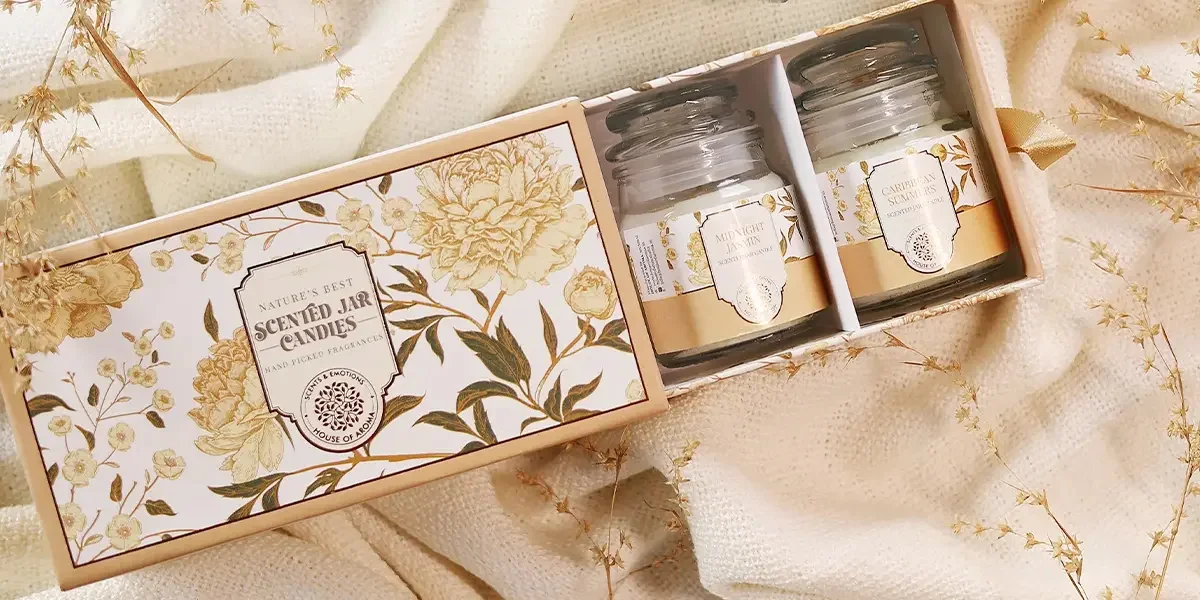
The synergy between Product and Packaging Design is essential for creating a cohesive brand story. A successful box design for products must do more than just hold an item; it should be an extension of the product’s identity. When developing packaging of products, designers consider the “unboxing experience” as a critical marketing touchpoint. By integrating the product’s shape and purpose into the box design for products, brands can create a sensory journey that starts the moment a customer touches the package. This holistic approach to packaging of products ensures that the structural form and the internal goods work in perfect harmony.

Food Packaging Design

Food Packaging Design requires a delicate balance between visual appeal and technical functionality. For organic brands, food packaging design must communicate freshness while adhering to strict safety standards. Utilizing creative packaging design elements like transparent windows or hand-drawn botanical illustrations helps distinguish packaging design for food products in a crowded retail aisle. In 2026, creative packaging design also focuses on “shelf-life extension,” using breathable, bio-based materials to keep food fresh without synthetic chemicals. Ultimately, the best packaging design for food products tells a story of farm-to-table integrity, promising quality that the consumer can trust and taste.

Packaging Design Process

The Packaging Design Process is a rigorous journey from raw concept to a shelf-ready reality. It begins with “Empathy Research,” where packaging concepts are brainstormed to meet the specific needs of the target audience. During the packaging design process, designers evaluate various packaging concepts for their durability, cost-efficiency, and sustainability. This involves structural prototyping and stress-testing to ensure the design survives the rigors of shipping. By following a structured packaging design process, brands can avoid costly mistakes and ensure that the final result is a high-performing asset that protects the product while beautifully representing the brand’s core mission.

Packaging Design Agency

Partnering with a specialized Packaging Design Agency provides brands with the expertise needed to navigate the complex world of eco-friendly materials. A professional packaging design agency stays ahead of 2026 trends, such as “Lightweight Luxury” and “Smart Labels.” They offer comprehensive packaging design services that include everything from material sourcing to 3D rendering. When a brand works with an experienced packaging design agency, they gain access to a team of experts who understand the nuances of importance of product packaging design. This partnership ensures that the brand’s visual identity is consistent, legally compliant, and optimized for both physical and digital shelves.
Packaging Of Products
The final Packaging Of Products is the last line of communication before a purchase decision is made. Whether it is primary, secondary, or tertiary layers, the packaging of products must be intuitive and user-friendly. In 2026, the trend for packaging of products is moving toward “Single-Material Simplification,” making it easier for consumers to recycle entire units without sorting. High-quality packaging design at this stage ensures that the box is easy to open, reseal, and store. By perfecting the packaging of products, brands demonstrate a commitment to the consumer’s convenience, completing a lifecycle of quality that begins in production and ends in the customer’s home.
Organic Product Packaging Design, Product And Packaging Design, Food Packaging Design, Packaging Design Process, Packaging Design Agency, Packaging Of Products, Brij Design Studio

Why Organic Product Packaging Design is the Secret to Brand Growth in 2026

Why Organic Product Packaging Design is the Secret to Brand Growth in 2026

Organic product packaging design is the strategic use of eco-friendly materials and minimalist aesthetics to communicate a brand’s commitment to health and sustainability. It bridges the gap between a product’s natural origins and the consumer’s expectations, serving as a critical touchpoint for building trust and shelf appeal in the competitive organic market.

The Strategic Importance of Product Packaging Design for Organic Brands
Organic Product Packaging Design, Product And Packaging Design, Food Packaging Design, Packaging Design Process, Packaging Design Agency, Packaging Of Products, Brij Design Studio
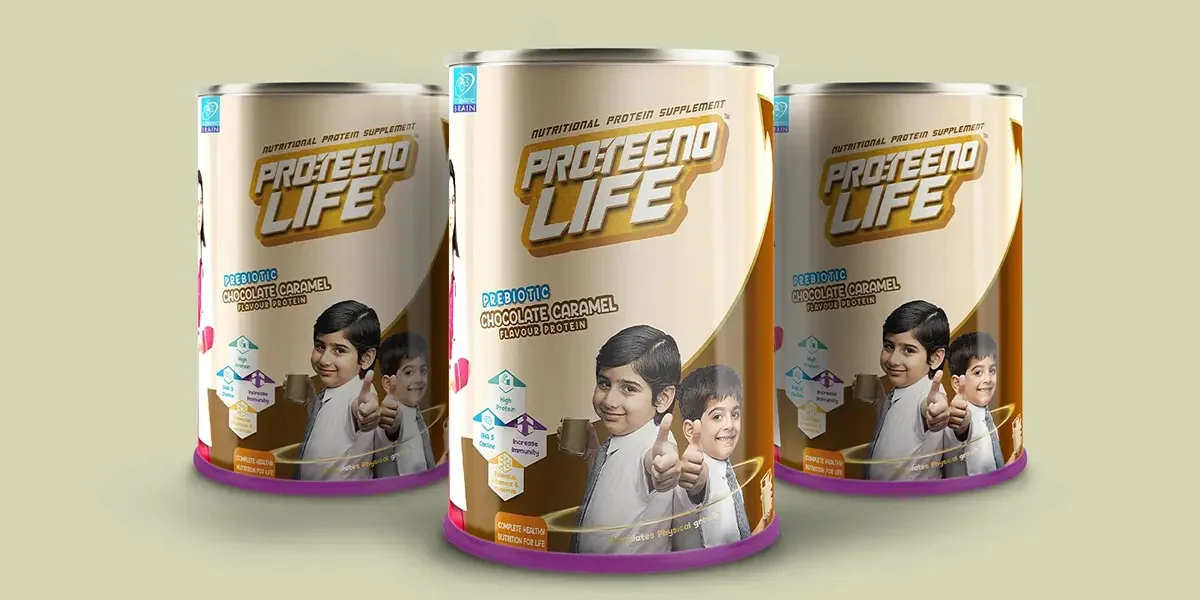
In the modern marketplace, good packaging design is no longer just a luxury; it is a fundamental requirement. For brands offering organic products in india, the stakes are even higher. Consumers who purchase organic goods are often making an ethical choice, and they expect the packaging of products to reflect those same values.
The importance of product packaging design lies in its ability to act as a “silent salesperson.” When a customer sees a creative packaging design that uses recycled textures or earthy tones, they subconsciously associate the brand with purity and transparency. This is why organic product packaging design is central to any successful organic products marketing strategy.

How Organic Food Packaging Design Influences Consumer Trust
Organic Product Packaging Design, Product And Packaging Design, Food Packaging Design, Packaging Design Process, Packaging Design Agency, Packaging Of Products, Brij Design Studio
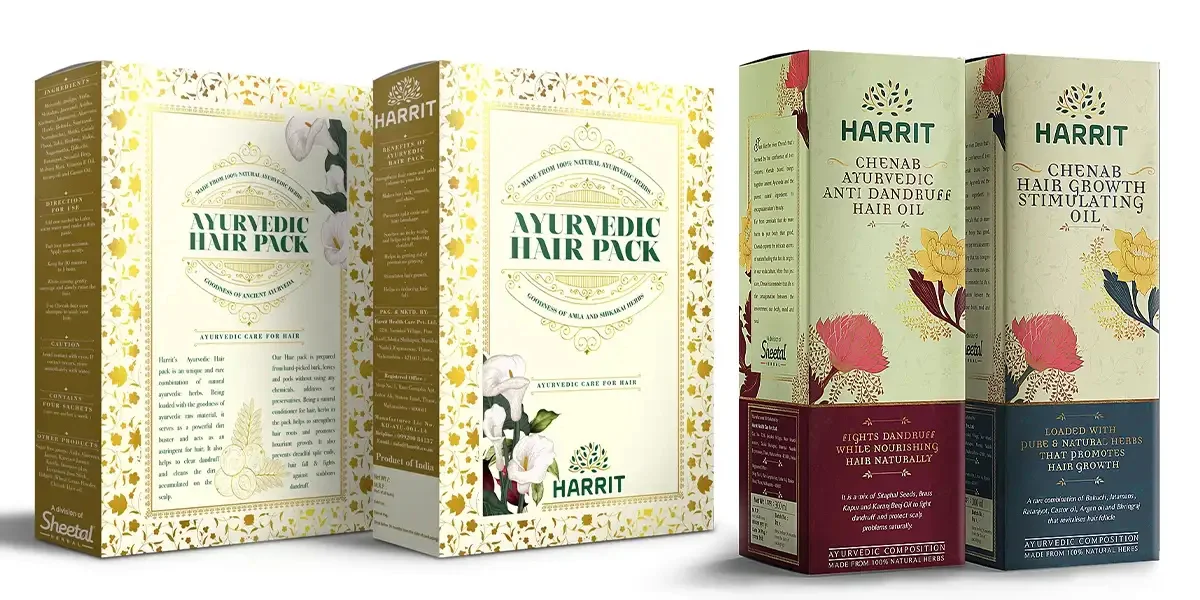
When it comes to organic food packaging design, transparency is the ultimate currency. Consumers in 2026 are increasingly wary of “greenwashing.” They look for clear labeling and authentic packaging of organic products that proves a brand’s dedication to the environment.

Key Visual Cues for Organic Packaging:

Earthy Color Palettes:
Using greens, browns, and muted tones to signify nature.
Tactile Materials:
Matte finishes or textured papers that feel “raw” and natural.
Minimalism:
Avoiding cluttered graphics to emphasize product purity.
Clear Windows:
Allowing customers to see the actual quality of the indian organic products inside.

Trends in Product and Packaging Design for 2026
Organic Product Packaging Design, Product And Packaging Design, Food Packaging Design, Packaging Design Process, Packaging Design Agency, Packaging Of Products, Brij Design Studio
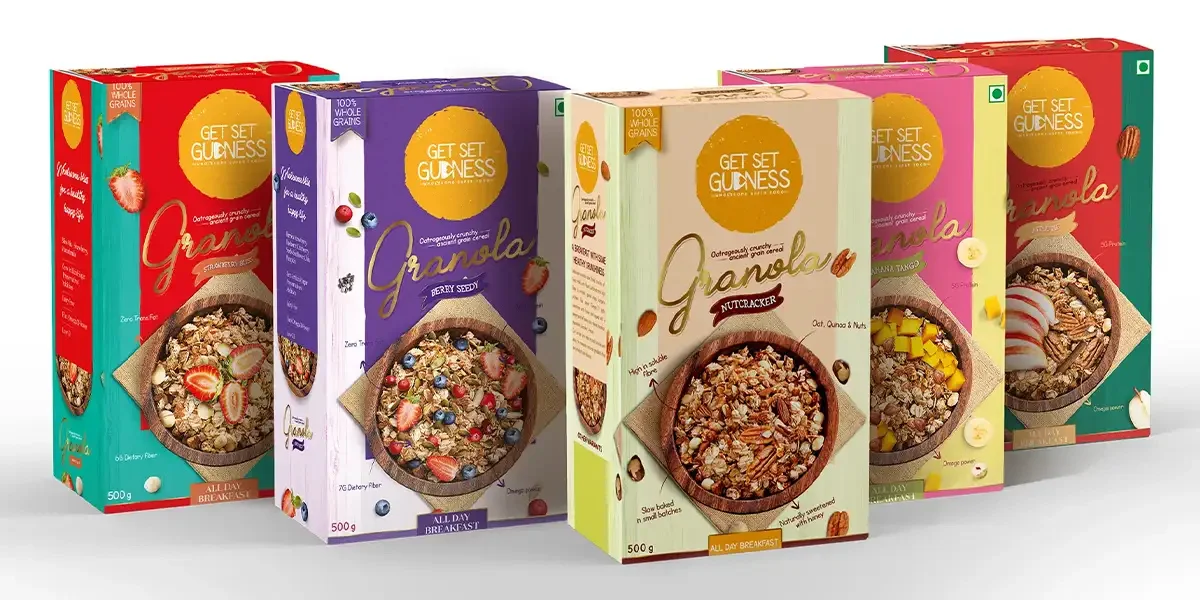
As we move through 2026, the product and packaging design landscape is shifting toward “Lighter Luxury” and circularity. Organic products manufacturers are now looking beyond just “recyclable” to “regenerative” materials.
1. Mono-Material Structures:
Designing a box design for products using only one type of material (e.g., 100% paperboard) to make recycling effortless for the consumer.
2. Plant-Based Barriers:
Replacing plastic liners with seaweed or mushroom-based coatings in food packaging design.
3. Smart Labels:
Integrating QR codes that tell the story of the farm where the organic products in india were grown.
For a product packaging for small business, these trends offer a way to compete with larger giants by telling a more authentic, localized story through custom product packaging.

The Product Packaging Design Process: From Concept to Shelf

Creating a successful good packaging design requires a structured approach. Most top packaging design companies in mumbai follow a rigorous product packaging design process:
1. Market Analysis:
Understanding the competitor landscape and consumer personas.
2. Concept Development:
Brainstorming packaging concepts that align with the brand’s “organic” identity.
3. Material Selection:
Choosing between various types of food product packaging like compostable pouches or glass jars.
4. Graphic Design:
Working with a packaging design agency to create visuals that pop on the shelf.
5. Prototyping & Testing:
Ensuring the food packaging design maintains product freshness and durability.

Choosing the Right Packaging Design Agency

Whether you are an established brand or a startup, partnering with the right experts is vital. Searching for a packaging design agency that understands the nuances of product packaging in marketing can elevate your brand from a commodity to a lifestyle choice.
Many packaging design companies in mumbai now specialize specifically in packaging design for food products, offering tailored packaging design services that comply with both Indian and international organic standards.

FAQ's

It is the art and science of creating a physical container for a product that reflects organic values using sustainable materials, eco-friendly inks, and design elements that communicate natural purity.

Packaging is the first physical interaction a consumer has with your brand. For organic goods, it validates the “natural” claim. If an organic product is wrapped in heavy, non-recyclable plastic, it creates a “brand disconnect” that can kill consumer trust.

By being transparent. Using good packaging design that highlights certifications, ingredient origins, and disposal instructions shows the consumer that the brand has nothing to hide.

The most effective designs use creative packaging design to balance aesthetics with function. This includes sustainable material choice, legible typography, and a clear “reason to believe” (USP) on the front of the pack.

Start by defining your audience and your product’s unique story. Then, choose a structure that protects the product while reflecting your brand values. It’s often best to hire professional packaging design services to ensure technical accuracy and shelf impact.

In the context of organic goods, there are three main layers:

  • Primary: The one touching the product (e.g., a glass jar).
  • Secondary: The outer box design for products (e.g., a cardboard sleeve).
  • Tertiary: The bulk shipping materials used by organic products manufacturers.

In the context of organic goods, there are three main layers:

  • Primary: The one touching the product (e.g., a glass jar).
  • Secondary: The outer box design for products (e.g., a cardboard sleeve).
  • Tertiary: The bulk shipping materials used by organic products manufacturers.

Its primary purposes are protection, containment, information transmission, and most importantly in organic products marketing differentiation on a crowded shelf.

This refers to the specialized packaging design for food products like grains, fruits, and vegetables. It requires breathable materials and moisture barriers to maintain the “farm-to-table” freshness.