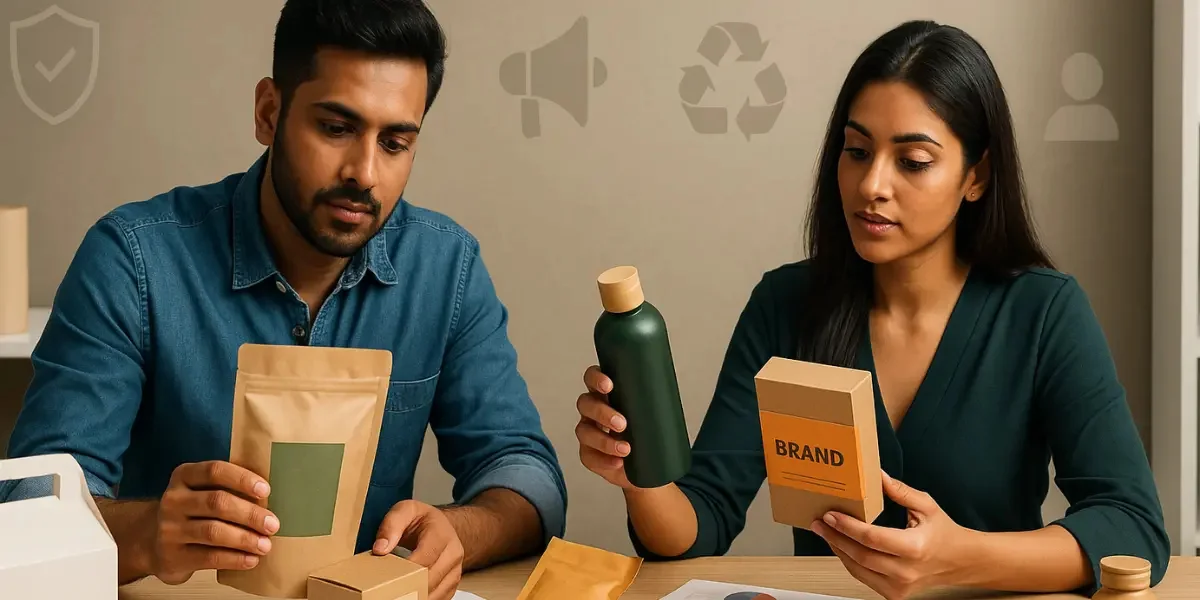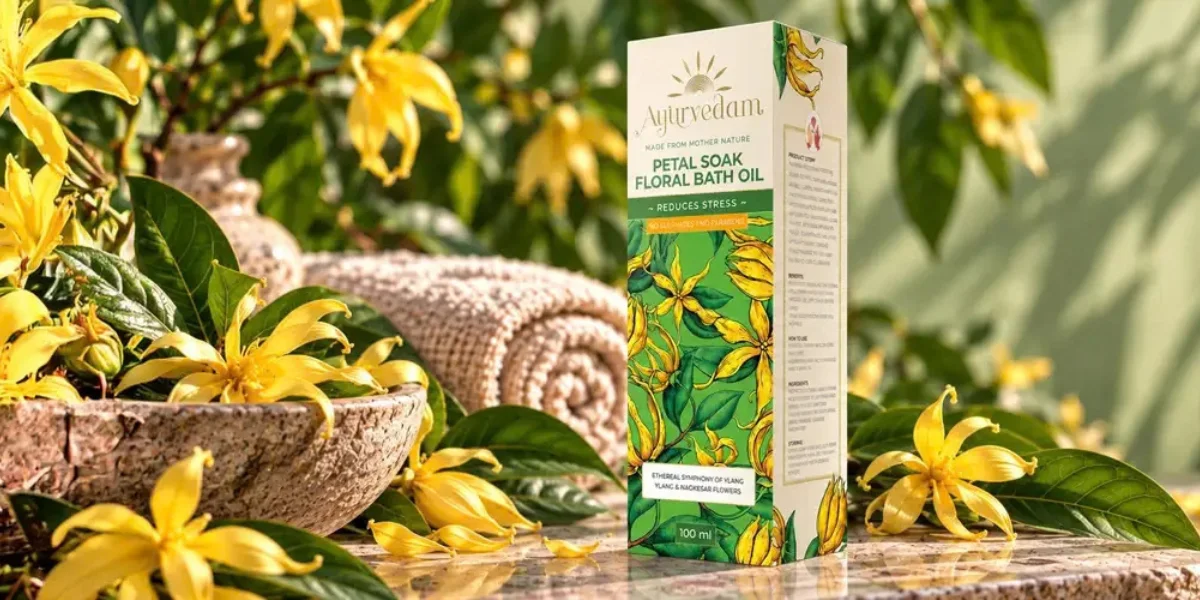
Luxury packaging design is more than creating an attractive box, bottle, pouch, or container. It is a strategic combination of visual identity, materials, structure, typography, finishing, functionality, and storytelling designed to create a premium perception around a product.
For luxury brands, packaging is often the first physical interaction a customer has with the product. A carefully designed package can communicate quality before the product is even opened.
From premium skincare and perfumes to gourmet foods, jewellery, beverages, candles, fashion, and lifestyle products, luxury packaging helps brands differentiate themselves in competitive markets and create a memorable customer experience.
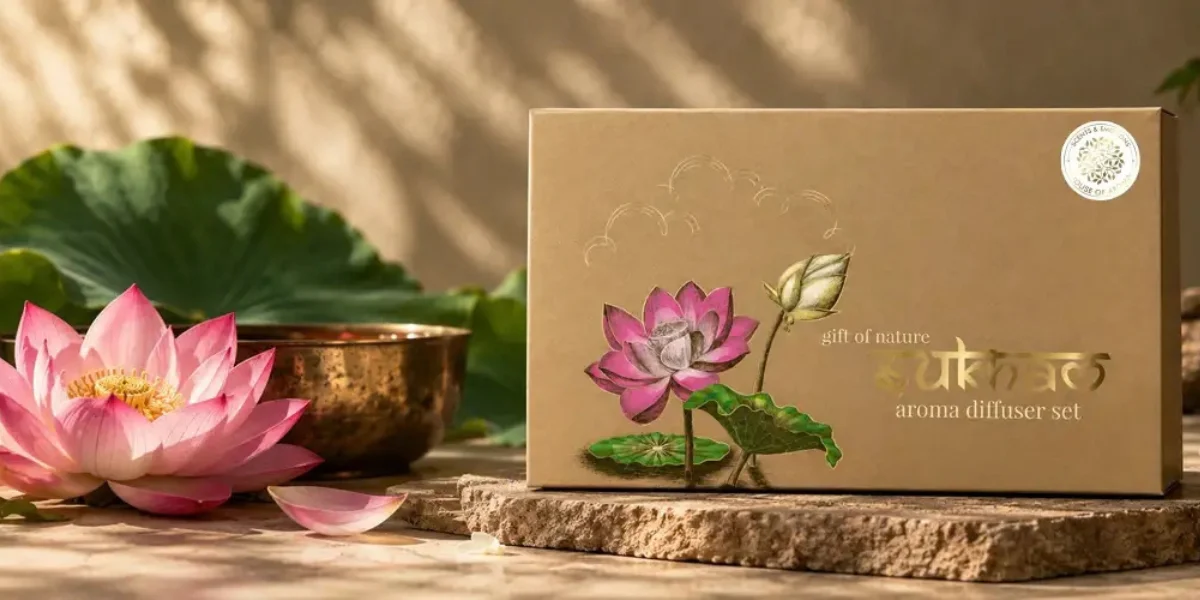
Luxury packaging design
What Is Luxury Packaging Design?
Luxury packaging design is the process of creating premium product packaging that communicates exclusivity, craftsmanship, quality, and brand value through materials, structure, visual design, and finishing details.
Unlike standard packaging, luxury packaging focuses strongly on the complete sensory experience. The appearance, weight, texture, opening mechanism, typography, colours, and finishing can all contribute to how consumers perceive the product.
A luxury package does not necessarily need to be complicated or expensive. In many cases, minimalism, proportion, material quality, and attention to detail create a stronger premium impression than excessive decoration.
Key elements of luxury packaging design
- Premium materials
- Sophisticated typography
- Distinctive structural design
- Refined colour palettes
- Embossing and debossing
- Foil stamping
- Spot UV
- Textured papers
- Custom inserts
- Magnetic closures
- Premium labels
- Custom shapes
- Sustainable premium materials
- Consistent brand storytelling
What makes packaging look luxurious?
Luxury packaging usually combines high-quality materials, thoughtful structure, refined typography, restrained colours, precise printing, and tactile finishing to create a premium product experience.
The most effective luxury packaging is not simply decorative. Every design element should support the brand’s positioning and target audience.
Is luxury packaging design only for expensive products?
No. Luxury packaging can be used by brands across different price categories when they want to create a premium perception or elevate the customer experience.
What is the difference between premium and luxury packaging?
Premium packaging generally communicates superior quality and value, while luxury packaging often places greater emphasis on exclusivity, craftsmanship, sensory experience, and brand heritage.
Does luxury packaging have to be expensive?
Not necessarily. Strategic use of typography, colour, paper texture, structure, and selective finishing can create a premium appearance without using expensive materials everywhere.
What products commonly use luxury packaging?
Perfumes, cosmetics, skincare, jewellery, fashion accessories, gourmet foods, premium beverages, candles, wellness products, and luxury lifestyle products commonly use luxury packaging.
Why is packaging important for luxury brands?
Packaging reinforces brand positioning, creates anticipation, communicates product value, and can make the unboxing experience part of the overall brand experience.
Can minimalist packaging look luxurious?
Yes. Minimalist luxury packaging often uses whitespace, sophisticated typography, subtle colours, premium materials, and carefully selected finishing techniques.
Why Luxury Packaging Design Matters for Brands
Packaging plays an important role in how customers perceive a product before they experience it.
When a product is displayed alongside competing products, packaging can immediately communicate whether the brand is positioned as affordable, premium, contemporary, artisanal, sophisticated, or luxurious.
For luxury products, this first impression becomes particularly important because consumers often associate physical details with perceived product value.
1Creates a Strong First Impression
Customers frequently encounter packaging before they interact with the product itself. A well-designed package can establish the brand’s personality within seconds through its:
- Colour
- Typography
- Photography or graphics
- Material
- Shape
- Finishing
- Logo placement
2Communicates Product Quality
Material and construction can influence perceived quality. A rigid box, textured paper, precision printing, embossed logo, or carefully designed insert can make a product feel more considered and substantial.
3Supports Premium Positioning
Luxury packaging allows brands to visually justify a premium positioning by creating consistency between the product, packaging, retail environment, website, and communication.
4Creates an Unboxing Experience
Opening premium packaging can become an important part of the customer journey. Elements such as:
- Magnetic closures
- Layered packaging
- Custom inserts
- Tissue paper
- Thank-you cards
- Product cards
- Ribbon details
- Hidden messages
can turn opening the product into an experience.
5Strengthens Brand Recognition
Consistent packaging elements can help customers identify a brand more easily. A distinctive colour system, typography style, structural format, or finishing treatment can become part of the brand’s recognizable visual language.
Can luxury packaging increase perceived product value?
Yes. Packaging quality can influence consumers’ perception of product quality and brand positioning, although the actual product experience must support those expectations.
Does packaging influence purchasing decisions?
Packaging can influence attention, perception, differentiation, and purchase consideration, particularly in visually competitive retail environments.
Can packaging improve brand recognition?
Consistent and distinctive packaging can strengthen visual recognition and help consumers identify products more quickly.
Why is unboxing important for luxury products?
Luxury packaging can extend the brand experience beyond the product itself, making the opening process feel intentional and memorable.
Can packaging justify a premium price?
Packaging can support premium positioning, but it should work together with product quality, service, brand reputation, and overall customer experience.
Does luxury packaging help online brands?
Yes. Packaging can become especially valuable for ecommerce brands because the physical package provides a tangible brand experience after an online purchase.
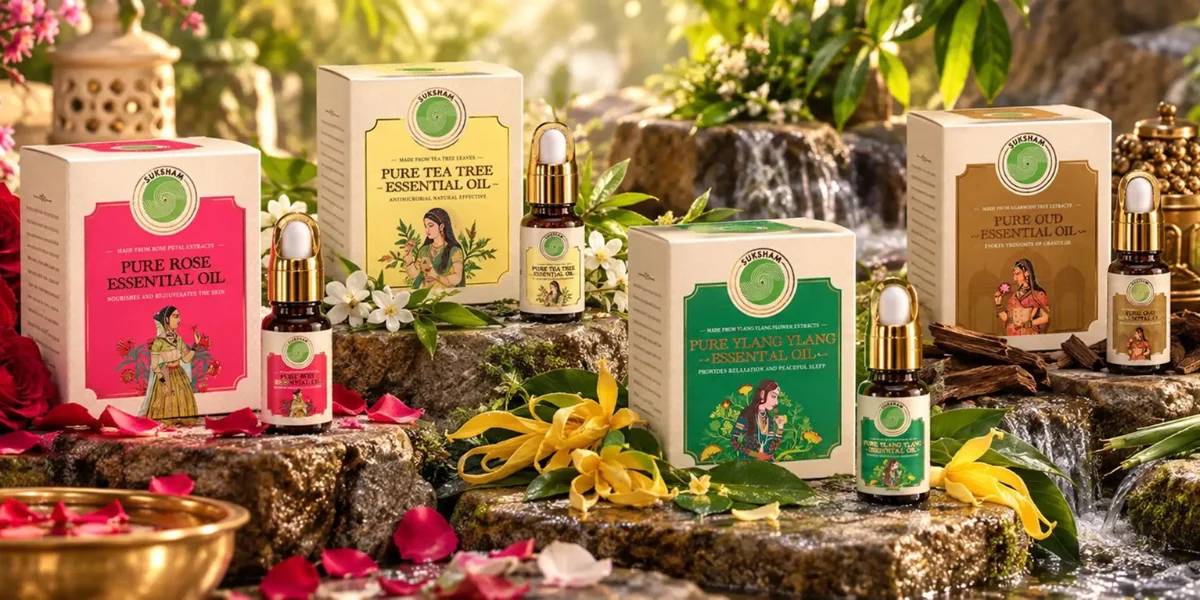
Key elements of luxury packaging design
Key Elements of Luxury Packaging Design
Creating luxury packaging requires more than adding gold foil or a decorative pattern. Premium packaging comes from the relationship between multiple design elements.
1Premium Materials
Material selection can immediately affect how packaging feels and looks. Common options include:
- Rigid board
- Textured paper
- Specialty papers
- Recycled premium papers
- Glass
- Metal
- Wood
- High-quality laminated boards
- Sustainable composite materials
The right material depends on the product, target market, budget, logistics, and brand positioning.
2Typography
Typography is one of the most important elements in luxury packaging. Elegant serif fonts can communicate heritage and sophistication, while modern sans-serif typography can create a contemporary premium identity. Typography should consider:
- Legibility
- Hierarchy
- Font pairing
- Letter spacing
- Weight
- Alignment
- Brand personality
3Colour Palette
Luxury packaging often uses carefully controlled colour palettes. Popular approaches include:
- Black and white
- Deep green
- Burgundy
- Navy
- Champagne
- Warm neutrals
- Metallic accents
- Soft monochromatic palettes
However, luxury does not have a fixed colour palette. A distinctive colour can become more powerful when it is strongly associated with the brand.
4Structural Design
The physical shape and opening mechanism can differentiate premium packaging. Examples include:
- Drawer boxes
- Magnetic boxes
- Book-style boxes
- Two-piece rigid boxes
- Folding cartons
- Custom bottles
- Custom sleeves
- Layered gift boxes
5Finishing Techniques
Finishing can add tactile and visual sophistication. Common luxury packaging finishes include:
- Foil stamping
- Embossing
- Debossing
- Spot UV
- Soft-touch coating
- Matte lamination
- Gloss finishes
- Metallic inks
- Textured varnishes
- Die-cutting
The key is selective application rather than using every available finish.
6Inserts and Internal Presentation
The inside of the package is just as important as the exterior. Custom inserts can:
- Protect the product
- Improve presentation
- Organize components
- Create anticipation
- Communicate product information
What materials are used for luxury packaging?
Rigid board, textured paper, specialty paper, glass, metal, wood, and premium sustainable materials are commonly used.
Which finishing is best for luxury packaging?
There is no single best finish. Foil, embossing, debossing, spot UV, and textured finishes can work differently depending on the brand concept.
Is gold foil necessary for luxury packaging?
No. Luxury can be communicated through typography, structure, material, colour, whitespace, texture, and craftsmanship without using gold.
Which fonts work well for luxury packaging?
Sophisticated serif fonts, refined sans-serif fonts, and carefully paired typefaces can work well depending on the brand personality.
What colours are commonly used in luxury packaging?
Black, white, neutrals, deep tones, muted colours, and metallic accents are common, but the right colour depends on the brand strategy.
Why are packaging inserts important?
They improve product protection and presentation while creating a more structured and intentional unboxing experience.
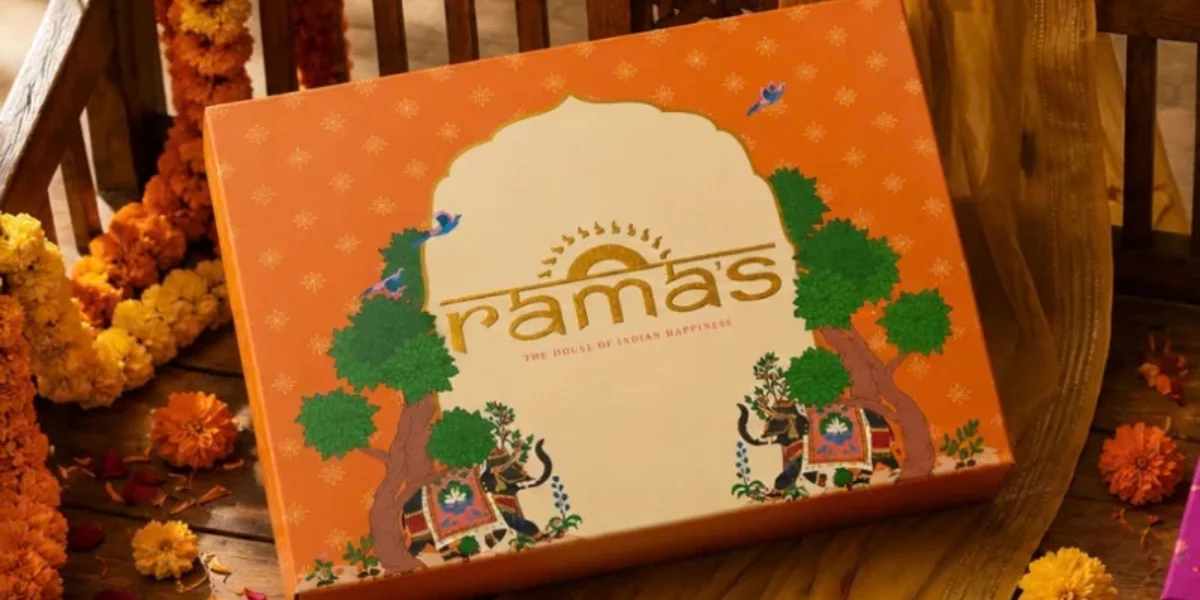
Luxury packaging design trends
Luxury Packaging Design Trends for Modern Brands
Luxury packaging is evolving as consumers increasingly value personalization, sustainability, authenticity, and experience alongside aesthetics.
1Sustainable Luxury Packaging
Luxury and sustainability are no longer mutually exclusive. Brands are increasingly exploring:
- Recycled papers
- FSC-certified papers
- Reusable boxes
- Recyclable materials
- Reduced plastic
- Plant-based materials
- Reusable packaging structures
The goal is to create packaging that feels premium without unnecessary material consumption.
2Minimalist Luxury
Minimalism continues to influence premium packaging. Instead of filling every surface with graphics, brands can use:
- Large whitespace
- Restrained typography
- Simple colour systems
- Minimal graphics
- Precise logo placement
- High-quality materials
3Tactile Packaging
Consumers increasingly value packaging that can be felt as well as seen. Textures, embossing, uncoated papers, soft-touch finishes, and unique materials can make packaging more memorable.
4Personalised Packaging
Personalisation packaging can create a stronger emotional connection. Examples include:
- Customer names
- Limited-edition packaging
- Personal messages
- Custom sleeves
- Seasonal editions
- Numbered products
5Experiential Unboxing
Packaging is increasingly designed as a journey rather than simply a container. The opening sequence, inserts, messages, product placement, and finishing details can all be carefully planned.
6Heritage-Inspired Design
Brands can combine traditional craftsmanship with contemporary design to communicate authenticity and heritage.
Is sustainable luxury packaging becoming more popular?
Yes. Many brands are exploring recyclable, reusable, recycled, and responsibly sourced materials while maintaining a premium appearance.
Is minimalist packaging considered luxurious?
Yes. Minimalism can communicate sophistication when supported by strong typography, material quality, proportion, and visual restraint.
What is experiential packaging?
Experiential packaging is designed around the customer’s complete interaction with the package, particularly how it looks, feels, opens, and reveals the product.
Is personalised packaging suitable for luxury brands?
Yes. Personalisation can make limited editions, gifting, and direct-to-consumer experiences more distinctive.
How can brands combine sustainability and luxury?
Brands can focus on material quality, reusable structures, responsible sourcing, reduced material use, and sophisticated design rather than relying on excessive decorative elements.
Will luxury packaging become more minimal?
Minimalism is an important direction, but luxury packaging will continue to vary across categories, cultures, audiences, and brand identities.
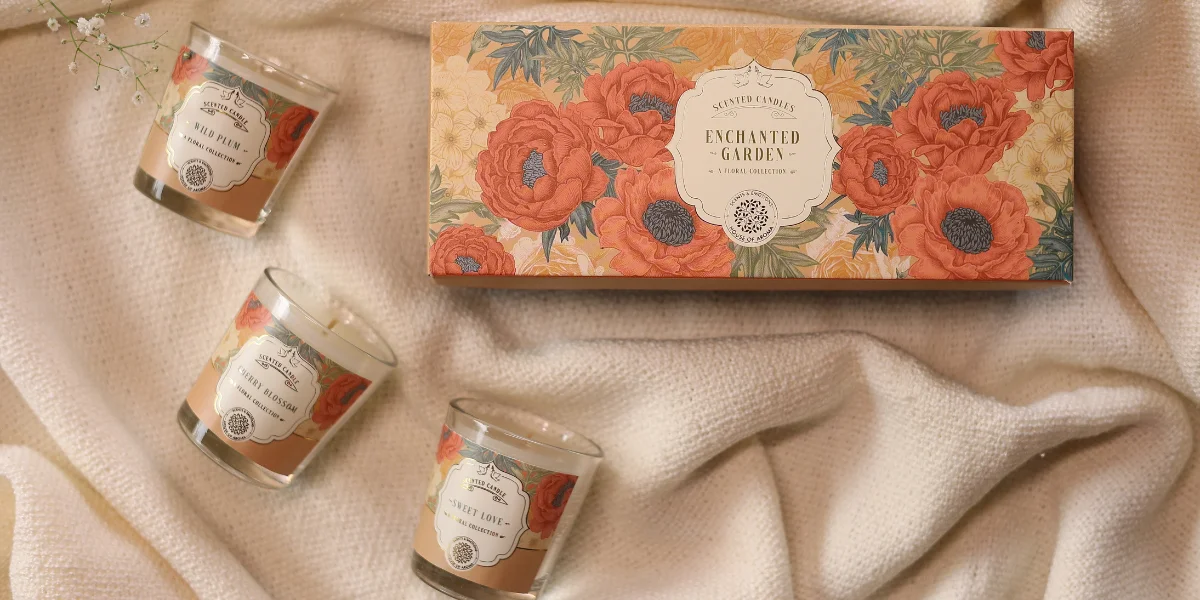
Luxury packaging design by product category
Luxury Packaging Design by Product Category
Different product categories require different packaging strategies.
Luxury Cosmetic Packaging
Cosmetic packaging often focuses on elegance, shelf appeal, usability, and tactile details. Common elements include:
- Premium cartons
- Glass bottles
- Foil details
- Embossed logos
- Custom inserts
- Minimalist typography
Luxury Perfume Packaging
Perfume packaging frequently uses the packaging itself to communicate exclusivity and fragrance personality. Structural elements can include:
- Custom bottles
- Rigid boxes
- Magnetic closures
- Special papers
- Foil stamping
- Layered inserts
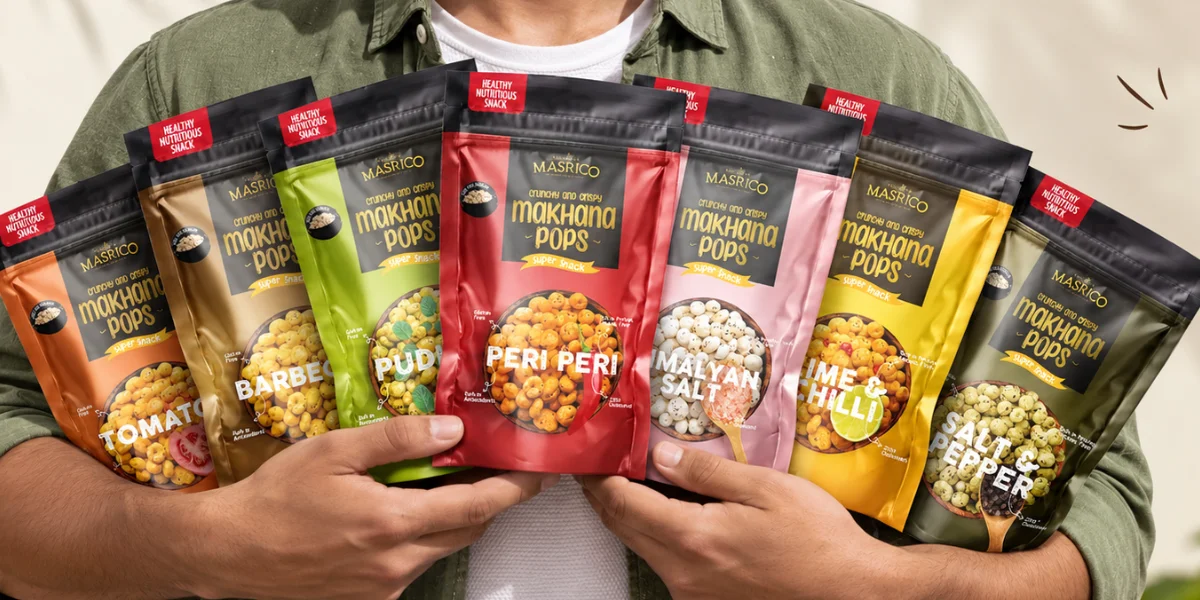
Luxury food packaging
Luxury Food Packaging
Premium food packaging needs to combine aesthetic appeal with food-safety requirements, functionality, and product protection. Examples include:
- Premium chocolates
- Gourmet snacks
- Specialty tea
- Coffee
- Confectionery
- Premium dry fruits
Luxury Candle Packaging
Candle packaging can use tactile papers, rigid boxes, sleeves, labels, foil, embossing, and custom inserts to reinforce a premium home-fragrance experience.
Luxury Jewellery Packaging
Jewellery packaging places significant emphasis on:
- Product protection
- Presentation
- Custom inserts
- Compact structures
- Material quality
- Brand storytelling
Is luxury packaging suitable for cosmetics?
Yes. Cosmetics are highly visual products, making packaging an important part of brand differentiation and perceived value.
What makes perfume packaging luxurious?
Bottle design, box structure, typography, materials, finishing, and the opening experience can all contribute to a luxury perfume presentation.
Can food products use luxury packaging?
Yes. Gourmet foods, chocolates, coffee, tea, confectionery, and premium snacks commonly use elevated packaging designs.
Is luxury packaging suitable for candles?
Yes. Premium packaging can complement the sensory and gifting aspects of candles and home-fragrance products.
What should jewellery packaging focus on?
Jewellery packaging should balance protection, product presentation, brand identity, portability, and a premium opening experience.
Can startups use luxury packaging?
Yes. Startups can adopt selected luxury design principles without necessarily investing in highly complex structures or expensive materials.
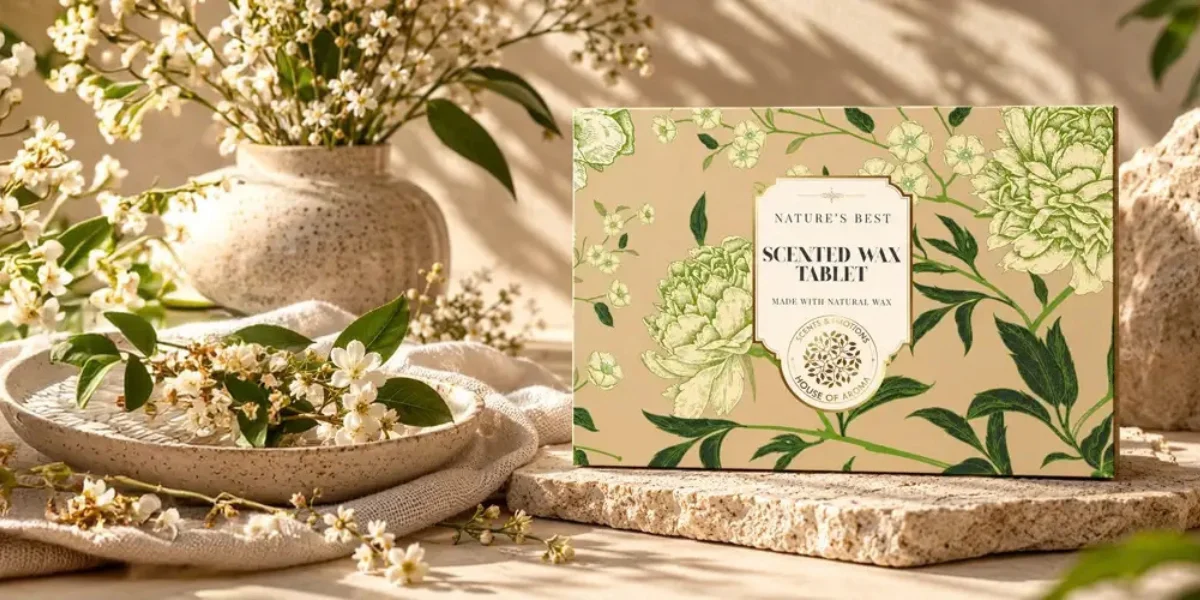
Luxury packaging design process
Luxury Packaging Design Process: From Strategy to Final Packaging
A successful luxury packaging project should begin with strategy rather than decoration.
1Understand the Brand
Start by defining:
- Brand positioning
- Target audience
- Brand personality
- Product category
- Price positioning
- Competitive environment
2Study the Market
Research competitor packaging to identify:
- Common visual patterns
- Colour conventions
- Material choices
- Structural formats
- Opportunities for differentiation
3Develop the Creative Direction
Create a visual direction covering:
- Mood
- Typography
- Colours
- Photography
- Graphics
- Materials
- Finishing
4Select Packaging Structure
Determine the most suitable packaging format based on:
- Product dimensions
- Protection requirements
- Shipping
- Retail display
- Cost
- Customer experience
5Design the Packaging
Develop the artwork and visual system while maintaining consistency with the brand identity.
6Select Materials and Finishes
Choose materials and finishing techniques that support the concept without unnecessarily increasing production complexity.
7Create a Prototype
A physical prototype helps evaluate:
- Size
- Structure
- Functionality
- Colour
- Material
- Opening experience
- Product fit
8Production and Quality Control
Before mass production, check artwork, dimensions, colour specifications, finishing, structural details, and packaging compliance.
What is the first step in luxury packaging design?
The first step is understanding the brand, product, target audience, positioning, and competitive environment.
Why is competitor research important?
It helps identify category conventions and opportunities to create distinctive packaging.
Should packaging structure be decided before graphic design?
Ideally, structural requirements should be established early because the physical format influences the artwork and customer experience.
Why is prototyping important?
A prototype allows brands to test physical dimensions, functionality, materials, finishes, and product fit before committing to production.
How many packaging concepts should a brand develop?
There is no fixed number. The focus should be on developing strategically different concepts rather than creating numerous variations without a clear purpose.
What should be checked before packaging production?
Artwork accuracy, dimensions, materials, colours, finishing specifications, product fit, legal information, and structural functionality should be reviewed.
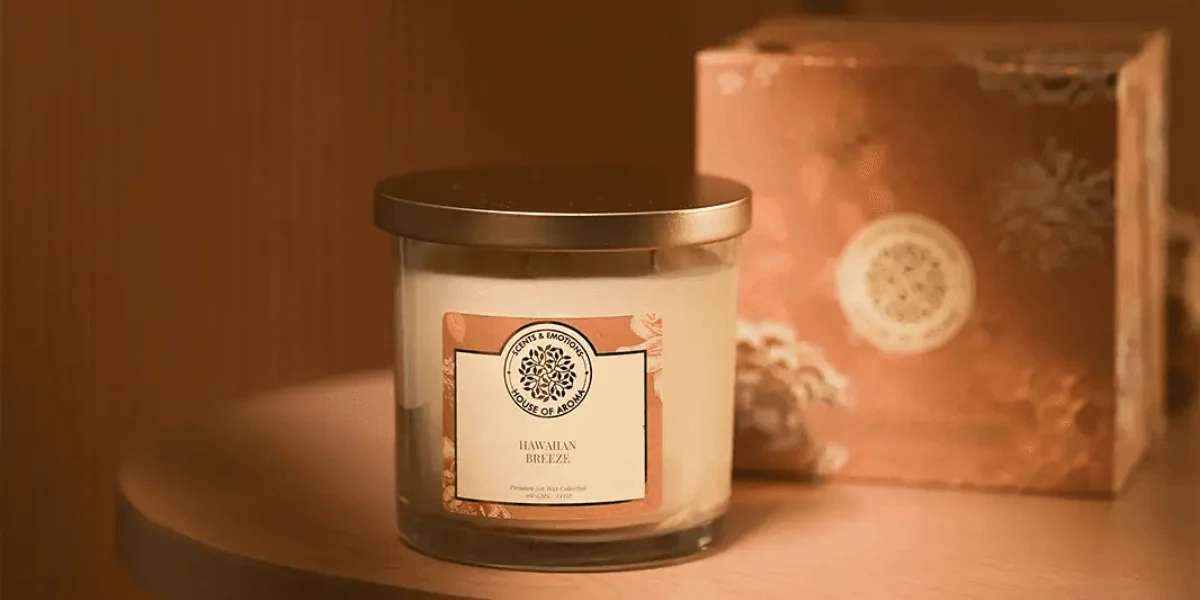
How to create luxury packaging without overdesigning
How to Create Luxury Packaging Without Overdesigning
One of the biggest misconceptions about luxury packaging is that more decoration automatically means more luxury.
In reality, excessive elements can make packaging appear crowded and reduce visual sophistication.
A stronger approach is to identify one or two defining features. For example:
5 principles for sophisticated luxury packaging
1Create visual hierarchy
Make it immediately clear what the customer should see first.
2Use whitespace intentionally
Empty space can create focus and sophistication.
3Choose materials strategically
Material quality can communicate luxury without excessive decoration.
4Limit finishing techniques
One carefully selected finish can be more effective than multiple competing effects.
5Make the structure part of the design
A distinctive opening or packaging format can become a memorable brand asset.
Does luxury packaging need many design elements?
No. Controlled design and strong hierarchy can often create a more sophisticated result.
Can affordable materials look premium?
Yes. Appropriate typography, colour, layout, printing, and finishing can significantly improve perceived quality.
Is minimal packaging better for luxury brands?
Minimal packaging can work extremely well, but the appropriate design depends on the brand and audience.
How many colours should luxury packaging use?
There is no universal number, but restrained colour systems often help maintain visual consistency and sophistication.
Should every part of the package have a finish?
No. Selective finishing can create contrast and make premium details more noticeable.
What is the biggest mistake in luxury packaging?
Treating luxury as decoration rather than as a combination of strategy, material, structure, visual identity, functionality, and experience.
Luxury Packaging Design vs Regular Packaging Design
| Factor | Regular Packaging | Luxury Packaging |
|---|---|---|
| Primary focus | Protection and information | Protection, perception and experience |
| Materials | Functional and cost-efficient | Premium or carefully selected |
| Typography | Functional | Brand-led and refined |
| Structure | Standard formats | Custom or elevated structures |
| Finishing | Basic printing | Embossing, foil, texture and other finishes |
| Unboxing | Functional | Experiential |
| Brand storytelling | Limited | More integrated |
| Visual differentiation | Category-focused | Strong brand differentiation |
The distinction is not absolute. Many brands combine cost-efficient production with selected premium elements to create a sophisticated packaging experience.
How Luxury Packaging Builds a Stronger Brand Experience
Packaging should not exist separately from the brand identity.
A successful luxury packaging system connects:
For example, if a brand positions itself around modern sophistication, the packaging should reinforce that positioning through appropriate typography, colours, structure, photography, materials, and finishing.
Consistency across packaging, website, social media, retail environments, and advertising helps create a unified brand experience.
This is why luxury packaging design should be treated as a brand-building tool rather than simply a production requirement.
Is luxury packaging part of branding?
Yes. Packaging is a physical expression of brand identity and can reinforce positioning, personality, and recognition.
Should packaging match the website?
Packaging and digital branding do not need to look identical, but they should share core brand elements and personality.
Can packaging become a brand asset?
Yes. Distinctive packaging structures, colours, typography, and visual elements can become recognizable brand assets.
How does packaging support brand storytelling?
Materials, graphics, typography, illustrations, messages, and structural details can communicate the brand’s history, values, craftsmanship, or positioning.
Why should packaging be consistent across products?
A consistent packaging system improves recognition while allowing individual products to maintain their own identity.
Can packaging differentiate a new luxury brand?
Distinctive packaging can help a new brand establish a recognizable visual presence and stand apart within its category.
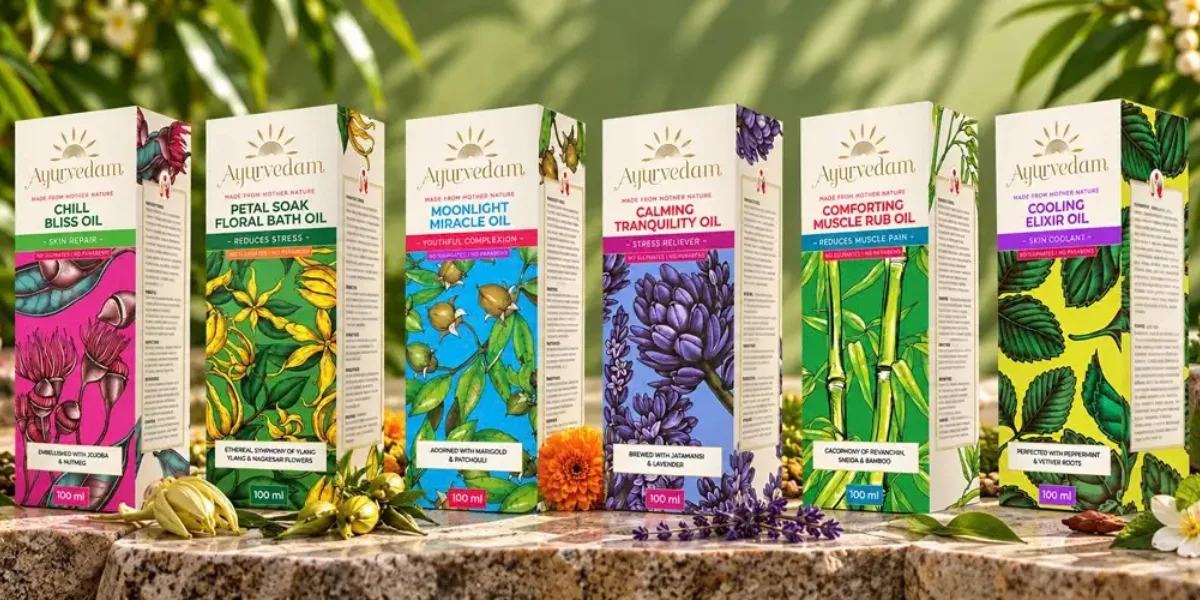
Luxury packaging design in India
Luxury Packaging Design in India
India’s premium and luxury market includes diverse categories such as beauty, wellness, jewellery, fashion, gourmet food, beverages, home fragrance, hospitality, and lifestyle products.
For Indian brands, luxury packaging can combine contemporary global aesthetics with local cultural influences.
Design opportunities can include:
- Indian craftsmanship
- Regional patterns
- Contemporary interpretations of heritage
- Handcrafted textures
- Sustainable materials
- Premium gifting formats
- Modern Indian typography and graphics
For brands targeting international markets, packaging should also consider export requirements, product information, language requirements, logistics, and international customer expectations.
How Much Does Luxury Packaging Design Cost?
There is no single fixed price for luxury packaging design because the total investment depends on the complexity of the project.
Factors include:
- Number of SKUs
- Packaging format
- Structural complexity
- Custom dielines
- Material selection
- Printing method
- Finishing
- Inserts
- Prototyping
- Production quantity
- Vendor requirements
- Brand identity requirements
It is important to distinguish between packaging design cost and packaging manufacturing cost.
A packaging designer or agency may charge for strategy, concept development, structural design, artwork, and production support, while the packaging manufacturer separately charges for materials, printing, finishing, tooling, and production.
How much does luxury packaging design cost?
The cost varies according to the packaging format, number of products, structural complexity, creative requirements, and production specifications.
Is packaging design separate from packaging manufacturing?
Yes. Design and manufacturing are generally separate costs, although an agency may coordinate with production vendors.
Does custom packaging cost more than standard packaging?
Custom structures and specialized finishes can increase production costs compared with standard formats.
Can luxury packaging be designed on a limited budget?
Yes. Brands can prioritize high-impact elements such as typography, structure, material texture, or one signature finish instead of using expensive treatments everywhere.
What increases luxury packaging production costs?
Custom tooling, specialty materials, complex structures, premium finishes, inserts, low production quantities, and multiple production processes can increase costs.
Should startups invest in custom luxury packaging?
The appropriate investment depends on the product category, target audience, pricing, sales channel, and brand strategy.
How to Choose a Luxury Packaging Design Agency
Selecting the right packaging design partner can significantly influence the final result.
Look for an agency with experience in:
- Brand strategy
- Packaging design
- Structural packaging
- Typography
- Print production
- Material selection
- Premium finishing
- Packaging artwork
- Vendor coordination
- Product-category understanding
Review the agency’s portfolio to determine whether its work demonstrates strategic thinking rather than only visual styling.
A strong packaging partner should understand both how packaging looks and how packaging works.
What should I look for in a luxury packaging design agency?
Look for relevant portfolio experience, strategic thinking, packaging knowledge, production understanding, and the ability to create distinctive brand-led designs.
Should an agency understand printing and production?
Yes. Production knowledge helps ensure that creative concepts can be translated into practical packaging.
Should I choose an agency based only on its portfolio?
The portfolio is important, but communication, process, strategic understanding, technical knowledge, and project requirements should also be considered.
Can a branding agency also handle packaging design?
Yes. An agency that handles both branding and packaging can help maintain consistency between brand identity and physical products.
Why is packaging strategy important?
Strategy ensures that packaging decisions are connected to the target audience, positioning, product category, and business objectives.
What questions should I ask a packaging design agency?
Ask about their process, relevant experience, deliverables, timelines, production support, revisions, structural capabilities, and how they approach materials and finishes.