Luxury Packaging Design Case Study
This Luxury Packaging Design Case Study explores how premium aesthetics and thoughtful storytelling can elevate the packaging of products into an experience. Created for a luxury hospitality brand, the project reflects evolving trends in the luxury packaging market, where design goes beyond function. Through carefully developed packaging concepts, we designed custom printed pouches that also work as a multipurpose travel pouch. The focus on refined product packaging design ensured that each element felt luxurious yet meaningful. This approach highlights how strong packaging design case study examples can redefine perception through detail, material storytelling, and visual elegance.Design Case Studies
Among modern design case studies, this project stands out for blending artistry with functionality. It showcases how floral design and watercolour illustration style can create an emotional connection while maintaining a premium look. The use of floral illustration inspired by real surroundings added authenticity, while the handcrafted aesthetic elevated the brand experience. These packaging concepts demonstrate how design can influence perception in the luxury packaging market. By focusing on storytelling and detail, this work becomes more than just packaging it becomes a visual narrative, reinforcing why thoughtful execution is essential in impactful design case studies.Packaging Case Study
This packaging case study highlights the importance of cohesive and well-executed product packaging design across multiple formats. From custom printed pouches to boxes and labels, every element was designed to align with the brand’s luxury positioning. The concept focused on creating reusable formats like a multipurpose travel pouch, adding both value and functionality. The project reflects how the packaging of products can influence customer perception and experience. Within the competitive luxury packaging market, such packaging design case study examples demonstrate how attention to detail and consistency can elevate even everyday products into premium offerings.Luxury Gift Hampers
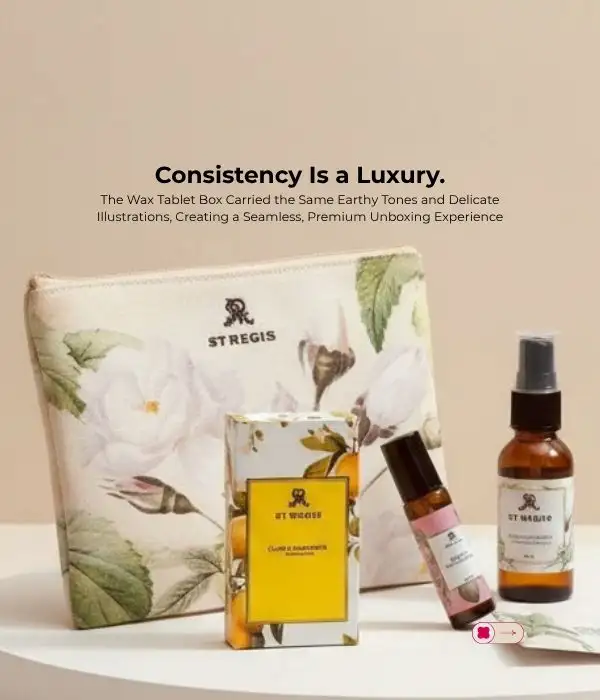
The packaging was designed to seamlessly integrate into curated luxury gift hampers, enhancing both presentation and perceived value. The use of handmade pouches and detailed floral design created a refined and thoughtful gifting experience. These hampers were positioned as premium offerings, where packaging plays a crucial role in storytelling. The incorporation of watercolour illustration style added softness and elegance, making each piece feel unique. In the context of the luxury packaging market, well-designed luxury gift hampers are not just products they are experiences that reflect quality, care, and a strong sense of brand identity.Aroma Gift Hampers
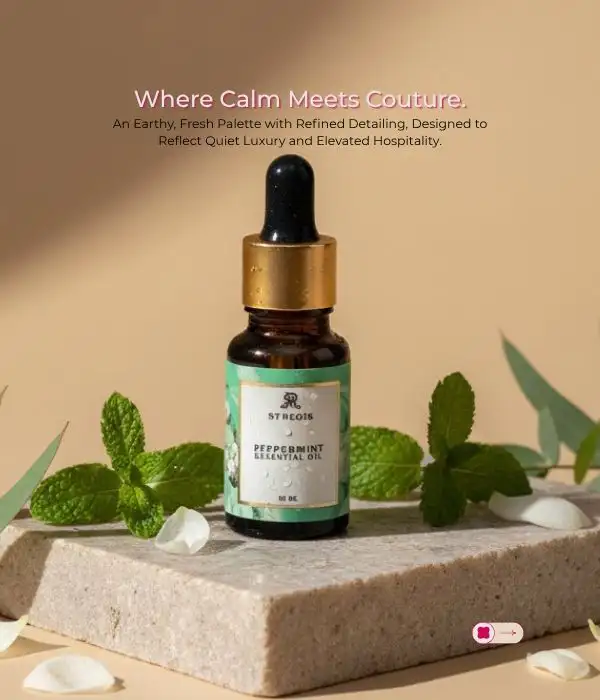
The project particularly elevated aroma gift hampers, where sensory experience is key. Through carefully crafted floral illustration and subtle watercolour illustration style, the packaging visually communicated the essence of natural ingredients. These hampers combined functionality with aesthetics, using custom printed pouches that felt both premium and reusable. Positioned within the broader packaging of products, they added value by enhancing the unboxing experience. This packaging case study shows how aroma gift hampers can stand out in a crowded market when supported by strong packaging concepts and a clear focus on luxury and design detail.Pouch Design
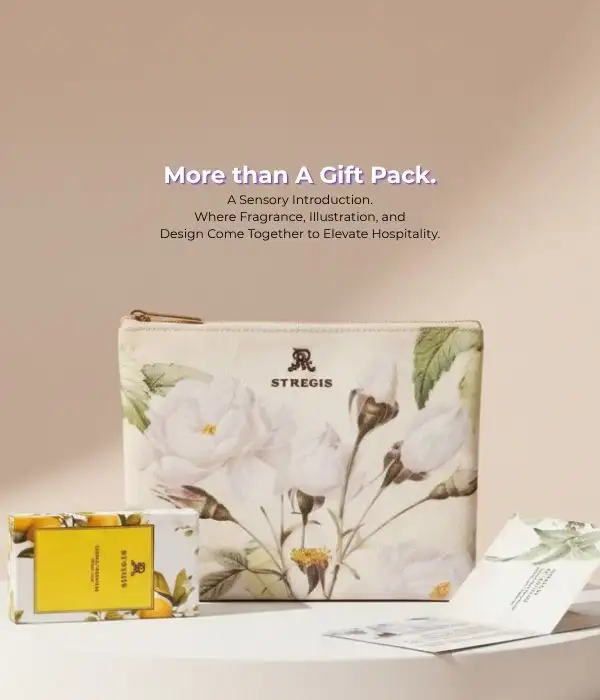
The pouch design was central to the project, developed as both a visual and functional element. Designed as multipurpose travel pouch formats, these handmade pouches combined usability with elegance. The use of floral design and watercolour illustration style created a soft, artistic appeal, while maintaining a premium finish. These custom printed pouches were crafted to enhance the overall product packaging design, making them suitable for both personal use and gifting. As part of this Luxury Packaging Design Case Study, the pouch became a key differentiator merging aesthetics, sustainability, and luxury seamlessly.Case Study:
Overview
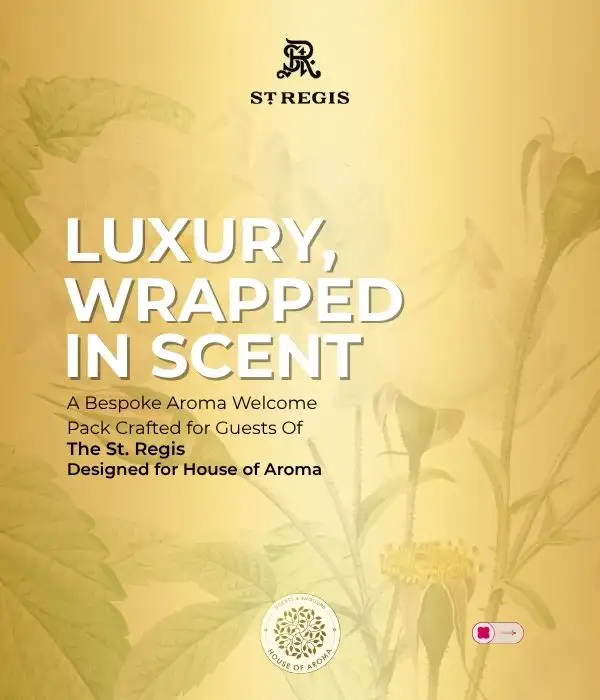
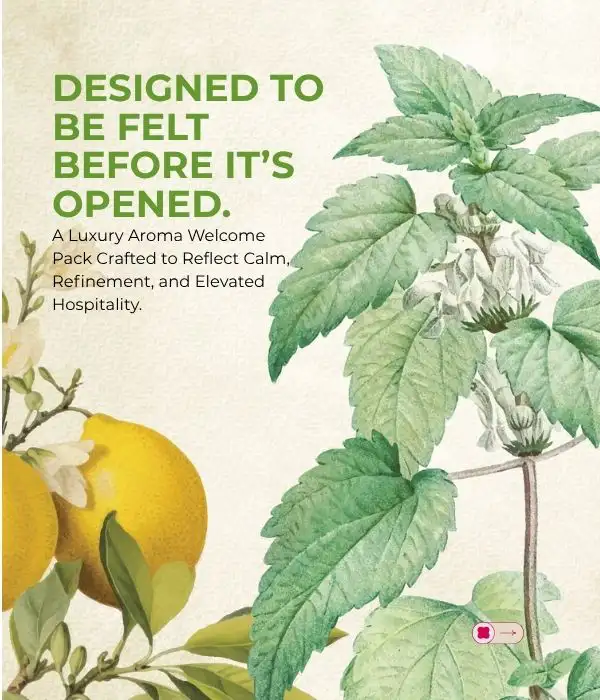
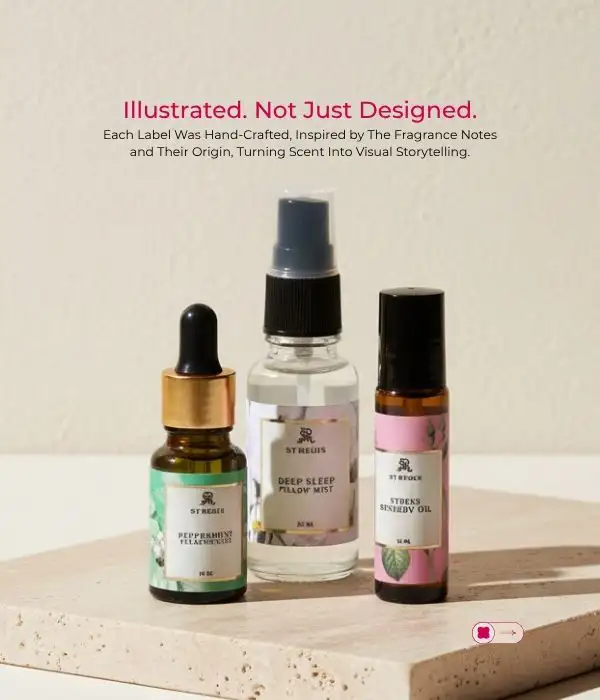
The pouch design direction focused on creating a handcrafted feel through floral illustrations and expressive detailing.
- Digitally created but inspired by hand-drawn techniques
- Use of stylus-based tools to mimic brush and pen textures
- Layered compositions reflecting natural floral arrangements
This approach gave the aroma gift hampers a distinctive identity, aligning them with contemporary design sensibilities where authenticity, craftsmanship, and storytelling are highly valued.
A defining element of the project was the watercolour illustration style, which added depth, softness, and elegance.
- Gentle color transitions and organic forms
- Light, breathable layouts for a premium feel
- Subtle textures that enhance visual richness
This style reinforced the idea of natural ingredients and elevated the overall product packaging design, making it visually distinctive and emotionally appealing.
The final output included a complete system of custom printed pouches, labels, and boxes.
- Designed as reusable multipurpose travel pouch formats
- Suitable for gifting as a handmade gift pouch
- Integrated seamlessly into aroma gift hampers
Each element was developed to ensure consistency across all packaging of products, aligning with the luxury standards of Marriott International and strengthening the brand's presence in the luxury packaging market.
Pouch design refers to the creation of flexible packaging, such as stand-up pouches (SUPs), flat pouches, or side-gusset bags. It involves balancing structural integrity ensuring the pouch protects the contents from moisture and oxygen with visual branding. Modern pouch design often focuses on features like resealable zippers, tear notches, and high-quality matte or glossy finishes that help a product stand out on a crowded retail shelf.
Designing luxury packaging requires a “sensory-first” approach that prioritizes high-quality materials and minimalist aesthetics. To achieve a premium feel, designers often use thick, textured paper stocks, metallic foil stamping, embossing, or “soft-touch” lamination. The goal is to create an “unboxing experience” where the weight of the box, the sound of the opening, and the attention to interior detail like custom tissue paper or molded inserts justify a higher price point.
Design case studies are detailed narratives that document a designer’s or agency’s process for a specific project. They typically follow a “Problem, Solution, Result” structure, showcasing initial sketches, mood boards, and the final execution. For professionals, these act as a “living portfolio” that proves their ability to solve complex branding challenges, such as migrating a website to a new server or implementing a technical SEO strategy for a corporate client.
Product packaging is important because it serves as the “silent salesman” and the first physical touchpoint a customer has with a brand. Beyond protection and logistics, it communicates a brand’s values such as sustainability or luxury and provides essential information. In an era of social media, effective packaging drives “user-generated content” through unboxing videos, which can significantly lower organic customer acquisition costs.
A case study in design thinking is a deep dive into the five stages of the design thinking process: Empathize, Define, Ideate, Prototype, and Test. It focuses on how a designer identified a specific user pain point and iterated through various solutions to arrive at a user-centric final product. These studies are essential for demonstrating a “human-first” approach to problem-solving in fields like UX/UI design or sustainable product development.
Watercolour illustration is a delicate and fluid art form created by applying pigments suspended in a water-based solution to paper. It is characterized by its transparency, luminous “washes,” and the unique way colors bleed into one another. In modern branding, watercolor illustrations are frequently used in artistic decor, stationery, and organic product packaging to provide a soft, handcrafted, and sophisticated aesthetic that feels more personal than digital graphics.