Brij Design Studio

How to design packaging for food products

Learning how to design packaging for food products is a vital journey that merges food safety with high-impact marketing. In 2026, the design concept must prioritize both “shelf-readiness” and “earth-friendliness.” Effective designing packaging starts with a deep understanding of the product’s physical needs whether it requires moisture barriers or oxygen-scavenging technology. By following a professional packaging design process, brands can move from a rough design concept to a unique creative food packaging design that captures a shopper’s attention in milliseconds. Ultimately, how to design packaging for food products is about creating a “promise in a box” that guarantees freshness.

Food Packaging Design

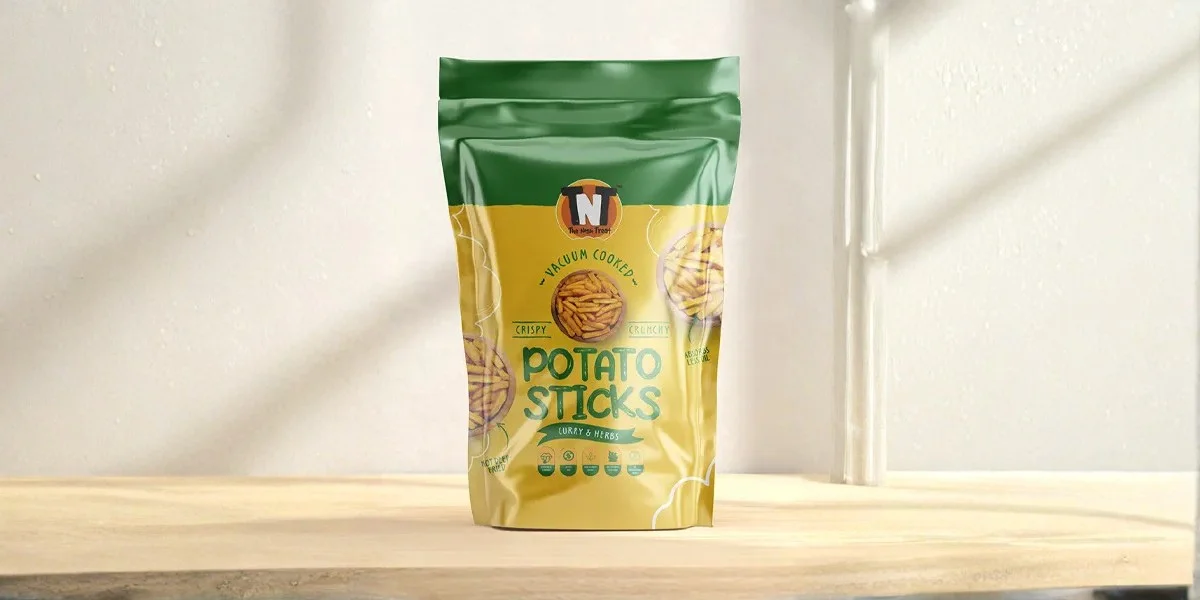
Food Packaging Design serves as the primary bridge between a brand and its consumer. Unlike other sectors, food packaging design must adhere to rigorous safety standards while maintaining a high unique creative food packaging design appeal. Modern food packaging design utilizes a detailed food packaging description to inform buyers about ingredients, shelf-life, and nutritional values. By focusing on unique creative food packaging design, brands can use bold typography and vibrant imagery to stand out. In 2026, food packaging design is increasingly interactive, using QR codes to turn a simple food packaging description into a rich, digital storytelling experience for the modern foodie.

Packaging Design

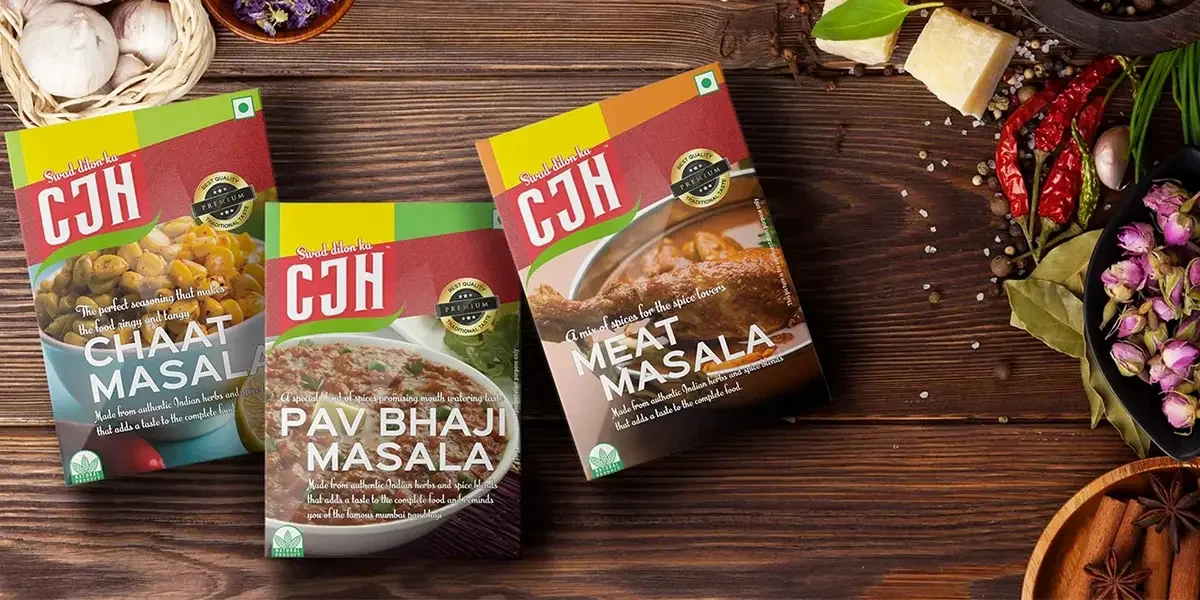
In the competitive retail landscape, Packaging Design is the most powerful tool for “silent selling.” A good packaging design balances aesthetic beauty with the essentials of good packaging in marketing, such as durability and ease of storage. Whether creating box design for products or flexible pouches, the goal of packaging design is to reduce “cognitive load” for the buyer. When a brand achieves good packaging design, the consumer instantly recognizes the value proposition. Beyond the shelf, packaging design also considers the “unboxing” moment, ensuring that the box design for products is as satisfying to open as the food is to consume.

Product Packaging Design

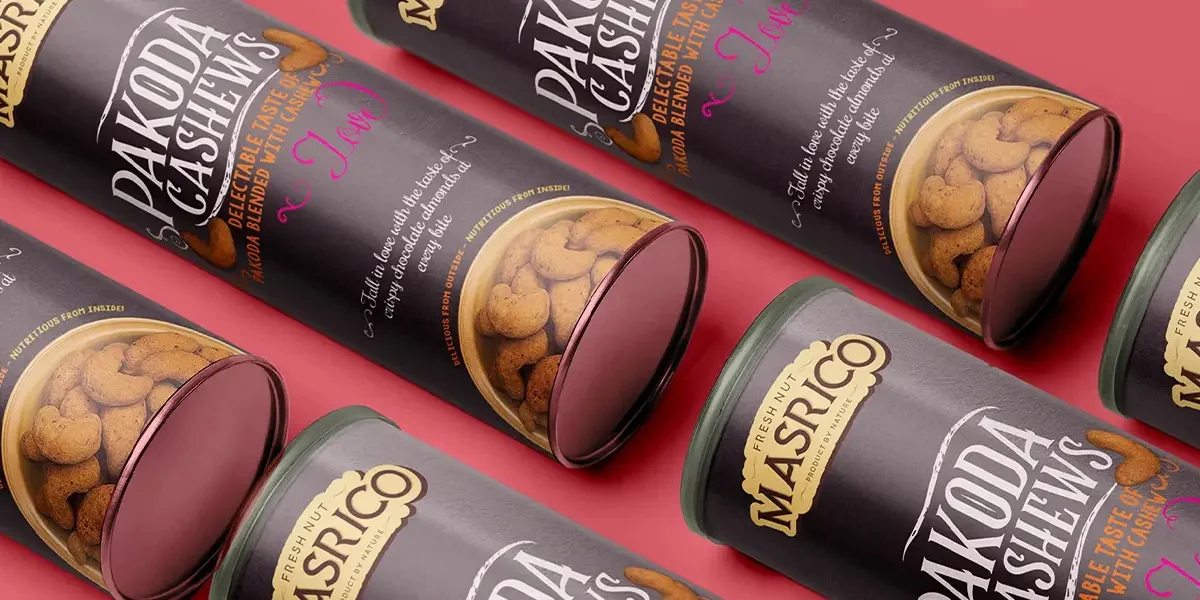
Product Packaging Design is where the technical “science” of preservation meets the “art” of persuasion. This discipline focuses on product and packaging design synergy, ensuring the container perfectly fits the item’s dimensions to minimize waste. Effective product packaging design leverages packaging concepts like “Minimalist Luxury” or “Retro-Futurism” to trigger emotional responses. During the product and packaging design phase, teams must choose from various types of food product packaging, such as biodegradable films or glass, based on the product’s fragility. By exploring innovative packaging concepts, product packaging design transforms a mundane commodity into a must-have lifestyle item.

Packaging Design Guidelines

Following established Packaging Design Guidelines is essential for any brand aiming for global or national reach. These packaging design guidelines cover everything from font legibility to mandatory allergen declarations the essentials of good packaging in marketing. When designing packaging, engineers must ensure the packaging of products can withstand the “last-mile” delivery stress. Adhering to packaging design guidelines also involves “Circular Design” principles, ensuring the packaging of products is easy for consumers to sort and recycle. These rules provide a framework for design packaging for products that is legally compliant, ethically responsible, and physically robust for 2026’s supply chains.
Packaging Design Firm
Partnering with a professional Packaging Design Firm can be the difference between a product that sits on the shelf and one that sells out. A top-tier packaging design agency provides specialized packaging design services that include market research, structural engineering, and 3D prototyping. By hiring a packaging design firm, small businesses gain access to custom product packaging that looks as polished as global giants. A packaging design agency understands how to leverage product packaging in marketing to drive impulse buys. Through high-end packaging design services, a firm ensures that your custom product packaging is a strategic asset that fuels long-term brand growth.
How To Design Packaging For Food Products, Food Packaging Design, Product Packaging Design, Packaging Design Guidelines, Packaging Design Firm, Packaging Design

Master Guide: How to Design Packaging for Food Products in 2026

Master Guide: How to Design Packaging for Food Products in 2026

When entrepreneurs ask how to design packaging for food products, they are looking for more than just a box; they are seeking a strategy to preserve quality and capture attention. In 2026, the intersection of sustainability and shelf-impact is where brands win. Understanding how do you design packaging for food products requires a blend of food science, psychology, and artistic flair.

What is food packaging design?

How To Design Packaging For Food Products, Food Packaging Design, Product Packaging Design, Packaging Design Guidelines, Packaging Design Firm, Packaging Design
At its core, food packaging design is the integration of form, structure, materials, color, and imagery to create a container that protects, preserves, and promotes a food item. It is not merely a wrapper but a critical component of product and packaging design that ensures the “farm-to-fork” journey is safe and appetizing.
A food packaging description usually details the layers of protection from the primary moisture barrier to the secondary box design for products that carries the brand’s visual identity.

How to design packaging for food products: The Step-by-Step Process
How To Design Packaging For Food Products, Food Packaging Design, Product Packaging Design, Packaging Design Guidelines, Packaging Design Firm, Packaging Design
Learning how to design packaging for products involves a systematic approach. If you are a startup, following a professional packaging design process can prevent costly mistakes in the production phase.

1. Define the Design Concept

Every successful project begins with a strong design concept. Are you selling artisanal, handmade cookies or high-tech performance nutrition? Your design concept should dictate the textures, colors, and typography used. This is where you brainstorm unique creative food packaging design ideas that break away from the competition.

2. Choose the Right Types of Food Product Packaging

Not all materials are created equal. You must select from various types of food product packaging based on the product’s needs:
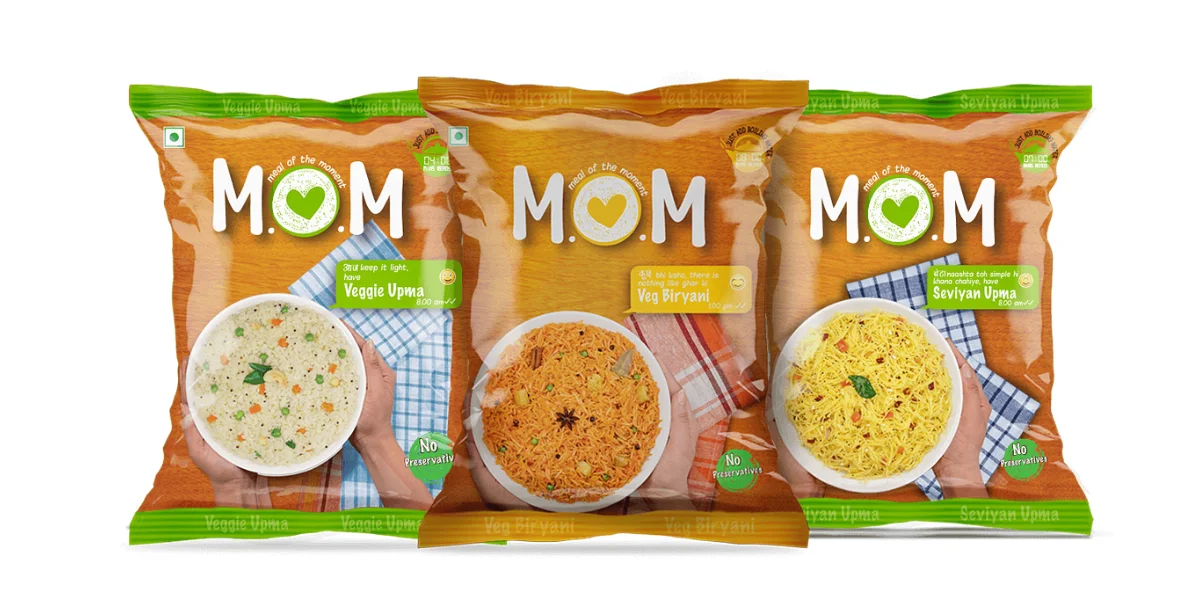
Flexible Pouches:
Great for snacks and powders.
Rigid Boxes:
Ideal for luxury chocolates or gifting.
Glass or Metal:
Best for liquids and high-end preserves.

3. Focus on Designing Packaging for Functionality

Designing packaging for food is unique because it must be food-safe. It needs to withstand temperature changes, prevent oxidation, and stay durable during shipping. This is one of the most critical essentials of good packaging in marketing if the food arrives damaged, the brand trust is broken instantly.

Importance of Product Packaging Design in Marketing
How To Design Packaging For Food Products, Food Packaging Design, Product Packaging Design, Packaging Design Guidelines, Packaging Design Firm, Packaging Design
In the world of retail, product packaging in marketing serves as your silent salesperson. Since consumers make a decision in less than three seconds, good packaging design is the only way to stand out.

What makes good packaging design?

It is a balance of “The Big Three”:
1. Visibility:
Does it pop on the shelf?
2. Honesty:
Does the packaging design accurately represent the food inside?
3. Utility:
Is it easy to open, pour, or reseal?
For small businesses, investing in custom product packaging allows you to tell a story that mass-market brands cannot. A specialized packaging design firm can help translate your brand values into a physical format that resonates with your specific audience.

Key Factors and Packaging Design Guidelines

When designing packaging, you must adhere to strict packaging design guidelines to ensure legal compliance and consumer safety.

What information must be included on food packaging?

By law in 2026, your packaging design for food products must include:
• Product name and net weight.
• Ingredient list and allergen warnings.
• Nutritional facts and “Best Before” dates.
• Manufacturer details and batch numbers.

How does packaging design affect food sales?

Studies show that creative packaging design can increase sales by up to 30%. When a consumer sees unique creative food packaging design, they perceive the product as higher quality. This emotional connection often justifies a premium price point.

Working with a Packaging Design Agency

If you find the technicalities of packaging of products overwhelming, partnering with a packaging design agency is a wise move. An agency or a packaging design firm brings expertise in material science and consumer behavior. They provide professional packaging design services that ensure your packaging concepts are not only beautiful but also production-ready and cost-effective.

FAQ's

The most important factors are protection (keeping food fresh), information (labels and nutrition), and branding (attracting the customer). How do you design packaging for food products effectively? By ensuring all three elements are addressed simultaneously.

The four primary purposes are:

  1. Protection: Against light, air, and bacteria.
  2. Containment: Keeping the product together.
  3. Communication: Telling the buyer what it is and how to use it.
  4. Convenience: Making it easy to transport and store.

In 2026, the trend is “Circular Design.” Use mono-materials that are easy to recycle or compostable films. Avoid excessive layers, and ensure your box design for products is made from FSC-certified paper.

A packaging design agency helps brands develop packaging concepts that work in the real world. They handle the technical packaging design process, from choosing the right barriers to creating the final print-ready artwork.

Because the market is saturated. Creative packaging design helps you differentiate. Whether through a unique shape or a bold color palette, it’s what turns a “browser” into a “buyer.”