Unboxing Success: Why Product Packaging is More Important Than You Think
Unboxing Success: Why Product Packaging is More Important Than You Think
In the world of retail and e commerce, there is an old saying: “Don’t judge a book by its cover.” However, in the reality of consumer behavior, everyone judges the book by the cover, and they judge your product by its packaging.
When launching a product, businesses often invest a significant amount of resources into the item itself. They perfect the functionality, tweak the recipe, or engineer the design until it is flawless. Yet, the packaging of products is frequently treated as an afterthought, a mere utility to get an item from Point A to Point B. This is a critical mistake.
Packaging is the face of your brand. It is the first physical touchpoint between you and your customer. From protecting the item to telling your brand’s story, the importance of product packaging cannot be overstated. It plays a multi dimensional role in business success, bridging the gap between logistics and emotional connection.
Here is an in depth look at why packaging is vital and how it influences consumer behavior, brand loyalty, and your bottom line.
1. Protection: The Fundamental Foundation
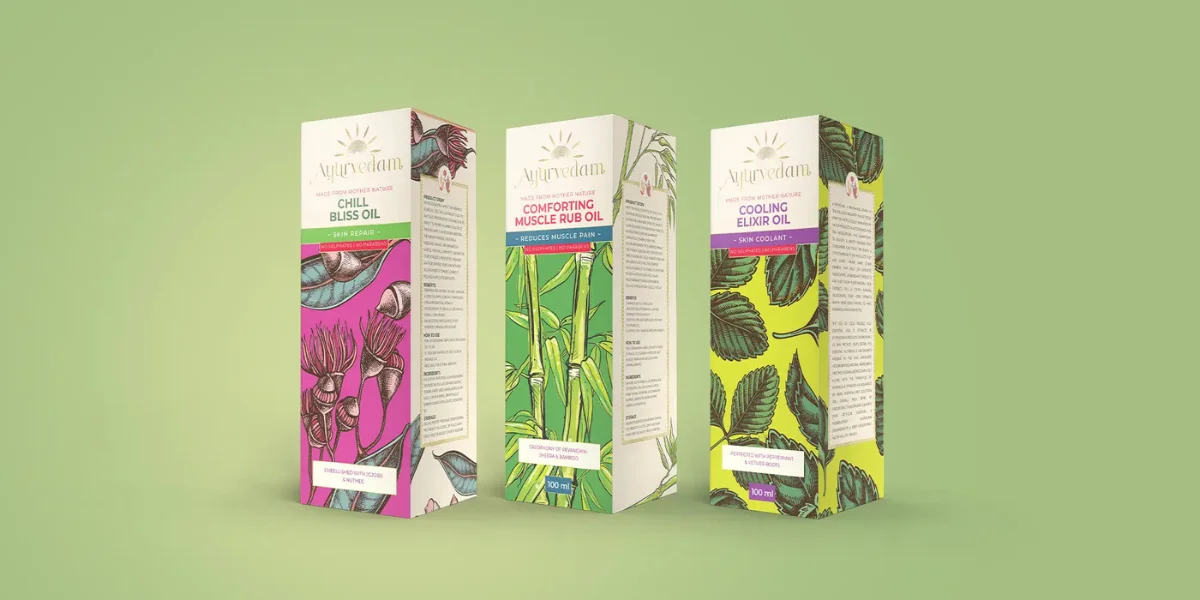
Before we dive into marketing psychology and aesthetics, we must acknowledge the most utilitarian purpose of packaging products: safety.
No matter how beautiful your product is, it is worthless if it arrives at the customer’s doorstep in pieces. The journey of a product, from a manufacturing facility to a warehouse, onto a truck, and finally to a shelf or a front porch, is fraught with risks. Packages are dropped, stacked, shaken, and exposed to varying temperatures and humidity levels.
Choosing the right packaging materials is essential here. Whether it is corrugated cardboard for structural integrity, bubble wrap for shock absorption, or sealed plastic for moisture control, the material determines the product’s survival. For food products, this means air tight seals to prevent contamination; for technology, it means rigid inserts to protect delicate circuits.
When the packaging of products fails to protect the contents, the costs are astronomical. You aren’t just losing the cost of the item; you are paying for return shipping, processing refunds, and, most damaging of all, the loss of customer trust.
2. The "Silent Salesman": Differentiating from the Competition
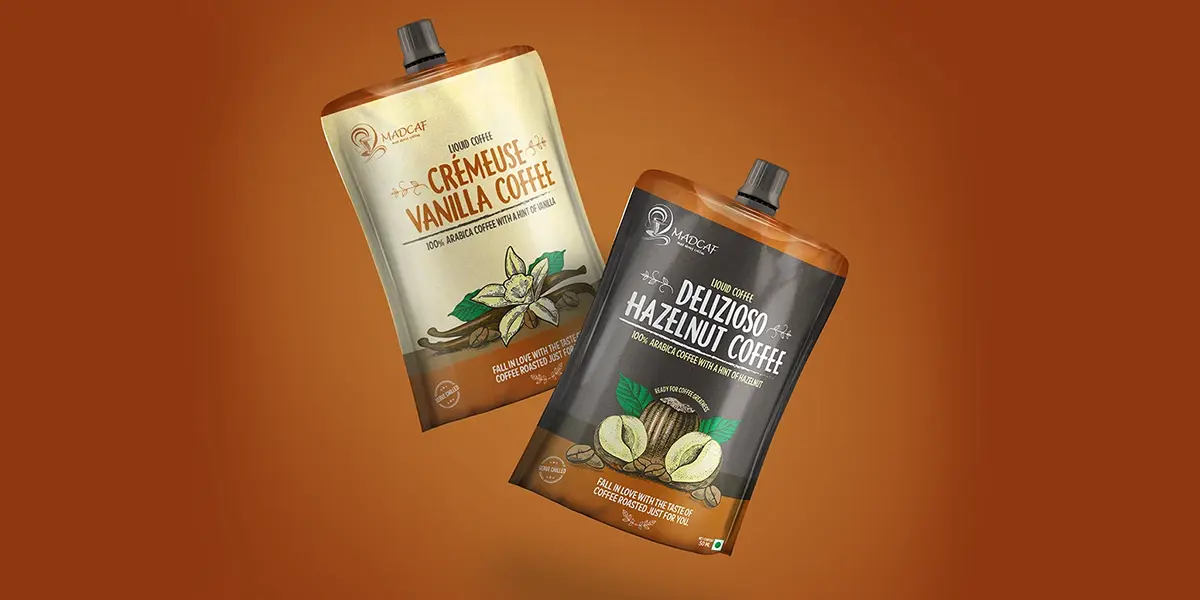
Imagine walking down the cereal aisle in a supermarket. You are confronted with dozens of options. You don’t have time to research every company or taste test every flake. How do you choose? You choose based on the box.
In the business world, the purpose of packaging in marketing is summed up by the nickname given to boxes and bottles: the “silent salesman.” It sits on the shelf and pitches your product to consumers 24/7 without you saying a word. It has roughly seven seconds to grab a shopper’s attention.
Differentiation is key. If every product in your category uses a white box, effective product packaging design might utilize a black box or a unique geometric shape to draw the eye. Unique textures and finishes can disrupt the visual monotony of a shelf.
This is equally important in e commerce. While the customer doesn’t see the physical package before buying online, the thumbnail image is often what drives the click. If your packaging looks premium, professional, or exciting, the consumer assumes the product inside shares those qualities.
3. Branding vs. Packaging: A Crucial Distinction
To truly leverage your physical assets, it is helpful to understand the difference between branding and packaging.
Branding is the intangible identity of your company; it is your values, your voice, your strategy, and the emotional promise you make to customers. Packaging, on the other hand, is the vessel that delivers that promise. Branding is the “soul,” while packaging is the “body.”
However, they must work in unison. The importance of the packaging of a product in branding lies in consistency. Your packaging is the canvas where your brand identity lives in the real world.
• Luxury Brands:
Use heavy, rigid boxes and foil stamping to convey exclusivity.
Use heavy, rigid boxes and foil stamping to convey exclusivity.
• Eco Friendly Brands:
Use raw, recycled packaging materials to convey natural values.
Use raw, recycled packaging materials to convey natural values.
• Fun Brands:
Use vibrant colors and quirky typography to signal excitement.
Use vibrant colors and quirky typography to signal excitement.
If your website (branding) is sleek and modern, but your product arrives in a flimsy, generic bag (packaging), there is a disconnect. Great packaging concepts bridge the gap between your digital presence and physical reality, solidifying the brand image in the consumer’s mind.
4. The Psychology of Color and Emotional Connection
Why is product packaging important? Because it hacks the human brain. Consumer psychology is deeply tied to color theory and design and packaging. The colors you choose evoke specific emotional responses that influence purchasing decisions.
• Red:
Creates a sense of urgency, excitement, and hunger.
Creates a sense of urgency, excitement, and hunger.
• Blue:
Instills trust, reliability, and calmness.
Instills trust, reliability, and calmness.
• Green:
Signifies health, nature, and freshness.
Signifies health, nature, and freshness.
• Black:
Communicates sophistication, mystery, and luxury.
Communicates sophistication, mystery, and luxury.
Beyond color, the “feel” of the product packaging design matters. A “soft touch” coating can make a product feel more expensive. A textured paper can make a product feel more handcrafted. By appealing to the subconscious through visual and tactile cues, packaging creates an emotional connection before the product is even used.
5. The Unboxing Experience: A Marketing Phenomenon
The importance of packaging design extends to this experience. Packaging is no longer trash; it is a stage. The “unboxing experience” is a crucial part of a modern marketing strategy. When a customer opens your product, you want to trigger a dopamine release. This involves:
• The Reveal:
How the product is nested inside the box.
How the product is nested inside the box.
• The Interior:
Printed messages or patterns on the inside.
Printed messages or patterns on the inside.
• The Extras:
Thank you cards, stickers, or tissue paper.
Thank you cards, stickers, or tissue paper.
If you execute this well, your customers become your marketers. They will share their beautiful package with their followers. This User Generated Content (UGC) is the most authentic, high converting form of advertising available today.
6. Communicating Necessary Information
While aesthetics are fun, packaging has a serious job to do: information delivery. The purpose of packaging products is also to educate the consumer.
Consumers are more educated and skeptical than ever before. They want to know exactly what they are putting in their bodies or bringing into their homes.
• Ingredients and Materials:
What is this made of? Is it organic? Is it gluten free?
What is this made of? Is it organic? Is it gluten free?
• Instructions:
How do I use this?
How do I use this?
• Compliance:
Depending on your industry, you may be legally required to display barcodes, nutritional facts, or hazard warnings.
Depending on your industry, you may be legally required to display barcodes, nutritional facts, or hazard warnings.
Clear, legible, and organized typography is essential. If a customer picks up a product and cannot quickly find the answer to “What does this do?”, they will put it back. A professional designing studio or packaging design firm will ensure that this information is presented clearly without cluttering the aesthetic.
7. Perceived Value and Pricing Power
There is a direct correlation between packaging quality and the price a customer is willing to pay. This is the concept of “Perceived Value.”
Let’s say you have two identical bars of soap. One is wrapped in thin, clear plastic. The other is in a thick, textured paper box with gold lettering. Which one costs more? You automatically assume the boxed soap is higher quality and worth a higher price.
Product packaging design allows businesses to command higher profit margins. It signals to the consumer that the product is premium. If you are selling a luxury item, the packaging must match the price tag. If a customer spends $300 on a pair of sunglasses and they arrive in a plastic baggie, they will feel ripped off. The packaging validates the purchase and reduces “buyer’s remorse.”
8. Sustainability: The Modern Mandate
Finally, we cannot discuss the importance of product packaging without addressing the environment. In 2025 and beyond, sustainability is not just a trend; it is a requirement.
Consumers are increasingly conscious of their carbon footprint. They feel guilty throwing away piles of non recyclable plastic. Brands that prioritize eco friendly packaging materials, such as biodegradable peanuts, recycled cardboard, and mushroom based inserts, gain a competitive edge.
Sustainable packaging communicates that your brand is responsible and forward thinking. It aligns the purpose of packaging in marketing with global values. Conversely, “over packaging” (excessive waste) frustrates customers and can lead to public shaming on social media.
Conclusion
So, why is packaging so critical? Because it is the only marketing channel that reaches 100% of your customers. Not everyone sees your email ads, and not everyone sees your billboards, but every single person who buys your item interacts with the packaging of products.
It is a protector, a communicator, a brand ambassador, and a sales closer. It influences how your customers feel, how much they are willing to pay, and whether they will recommend you to a friend.
In a competitive marketplace, your product might be the heart of your business, but your packaging is the body. Whether you hire a specialized packaging design firm or handle it in house, investing in high quality, thoughtful packaging is not an expense; it is one of the smartest investments a brand can make.
FAQ's
The primary purpose is protecting the item during transit and storage. Additionally, it serves as a marketing tool to attract customers, communicate product details, and differentiate brands in a competitive market.
Product packaging is the exterior design and material used to wrap or contain goods. It protects the product, facilitates transport, and serves as a key visual marketing touchpoint for consumers.
Design is vital because it captures attention within seconds. It communicates quality, influences emotional purchasing decisions through aesthetics, and distinguishes your product from competitors on crowded retail shelves.
This refers to the integration of a company’s identity into physical design. It ensures the package reflects the brand’s values, voice, logo, and visual style to create a cohesive customer experience.
This trio covers the product’s identity (branding), its physical container (packaging), and written details (labeling). Together, they protect the item, tell its story, and provide legal, nutritional, or instructional clarity.
Branding is the intangible strategy, reputation, and emotional identity of a company. Packaging is the physical vessel holding the product. Put simply: Packaging is the tangible execution of the branding strategy.
Accordion Content