Brij Design Studio

Confectionery Packaging Design

In the competitive sweets market, Confectionery Packaging Design serves as the primary driver for consumer impulse purchases. Effective Confectionery Packaging Design must balance vibrant aesthetics with structural integrity to ensure products remain fresh and visually appealing on retail shelves. In 2026, designers are focusing on sensory experiences, utilizing tactile finishes and “unboxing” features that build brand loyalty. Beyond looks, a successful design must communicate nutritional information and brand values clearly. By integrating eye-catching typography with innovative shapes, brands can differentiate themselves in a crowded aisle, turning a simple treat into a premium gift-worthy experience for shoppers of all ages.

Packaging Of Confectionery Products

The Packaging Of Confectionery Products requires a deep understanding of material science to protect delicate sugar-based items from moisture and temperature fluctuations. High-quality Packaging Of Confectionery Products utilizes specialized barrier films that prevent “fat bloom” in chocolates and stickiness in hard candies. In the modern landscape, manufacturers are pivoting toward mono-material structures that are easier to recycle without compromising the shelf life of the contents. Whether it is a rigid box for luxury truffles or a flexible flow-wrap for a snack bar, the right packaging solution acts as a silent guardian for the product’s flavor, texture, and overall brand reputation.

Candy Design

Modern Candy Design goes far beyond the flavor profile, encompassing the physical shape, color, and mouthfeel of the confectionery itself. Innovation in Candy Design often involves 3D-printing prototypes to create unique, “Instagrammable” shapes that resonate with younger demographics. From multi-layered gummies to intricately molded chocolate shells, the physical appearance of the candy dictates the consumer’s expectations before the first bite. Designers must also consider the “snap” of a bar or the clarity of a hard boiled sweet as part of the sensory architecture. A well-executed design ensures that the product is as fun to look at as it is delicious to eat.

Candy Packaging

Strategic Candy Packaging is essential for maintaining a product’s “crunch” and preventing sugar crystallization over time. Effective Candy Packaging often incorporates transparent windows, allowing the vibrant colors of the sweets to act as their own marketing tool. In 2026, many brands are adopting “re-sealable” technology to encourage portion control and on-the-go snacking. By choosing materials that offer high clarity and excellent puncture resistance, manufacturers ensure that the candy reaches the consumer in perfect condition. This fusion of functionality and visibility is what makes a candy brand stand out in the high-traffic impulse buy sections of modern supermarkets.
Confectionery Pouches
The rise of Confectionery Pouches has revolutionized the way sweets are displayed and consumed, offering a lightweight and eco-friendly alternative to rigid tins. Confectionery Pouches, particularly stand-up varieties (Doypacks), provide ample surface area for bold branding while taking up less space during shipping and storage. These pouches are often equipped with zip-locks to maintain freshness after the initial opening, making them a favorite for family-sized sharing packs. Their flexibility allows for easy stacking on shelves and fits perfectly into a consumer’s bag. Investing in high-barrier pouches ensures that aromas are locked in and external contaminants are kept out.
Confectionery Pouches
Utilizing premium Confectionery Pouches is a cost-effective strategy for brands looking to reduce their carbon footprint while maximizing shelf impact. These Confectionery Pouches are engineered with multiple layers of protective film, specifically designed to block out UV light and oxygen which can degrade high-fat confectionery items. In today’s market, the trend is moving toward matte finishes and soft-touch laminations to give a “craft” or “artisanal” feel to mass-market products. By opting for digitally printed pouches, brands can also execute short-run seasonal designs or limited-edition collaborations with ease, ensuring their product line remains fresh, relevant, and highly attractive to modern, eco-conscious consumers.
Confectionery Packaging Design, Packaging Of Confectionery Products, Candy Design, Candy Packaging, Confectionery Pouches, Confectionery Pouches, Brij Design Studio

The Sweet Science: A Master Guide to Confectionery Packaging Design

The Sweet Science: A Master Guide to Confectionery Packaging Design

In the hyper-competitive world of sweets, your product doesn’t just compete on taste, it competes for attention. Confectionery packaging design is the silent salesperson that bridges the gap between a craving and a purchase. Whether it’s an artisanal chocolate bar or a nostalgic candy packaging box, the exterior is the first bite the customer takes with their eyes.
As the confectionery packaging market continues to expand, brands must balance aesthetics with technical functionality to protect a wide range of confectionery products.

What Makes Great Confectionery Packaging?
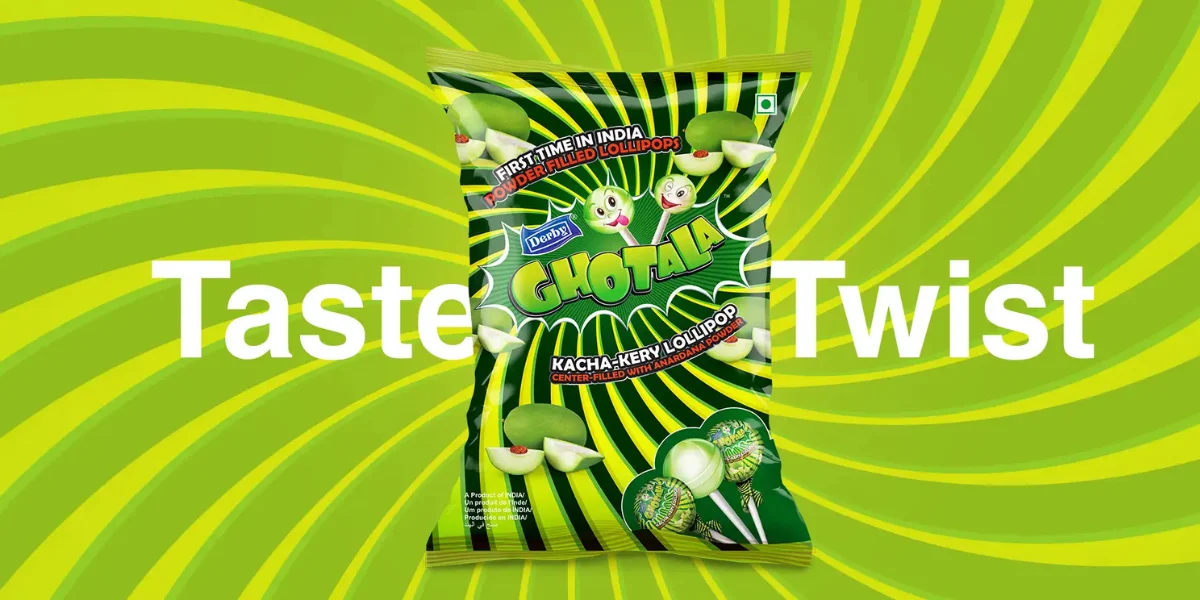
Confectionery Packaging Design, Packaging Of Confectionery Products, Candy Design, Candy Packaging, Confectionery Pouches, Confectionery Pouches, Brij Design Studio
Great packaging is the bridge between a craving and a purchase. It must do more than just look “sweet”; it serves as a vital protector against moisture and air while acting as a silent brand ambassador. From the sturdy feel of a premium gift box to the satisfying crinkle of a fresh pouch, every element should communicate quality, transforming simple treats into an irresistible and memorable consumer experience.
1. Product Protection:
Maintaining freshness and preventing melting or crushing.
2. Brand Storytelling:
Using colors and typography to evoke emotion (e.g., luxury vs. playfulness).
3. Regulatory Compliance:
Clear labeling of ingredients and allergens for all packaging of confectionery products.
4. Shelf Appeal:
Standing out in a crowded “sugar aisle” through unique shapes or finishes.

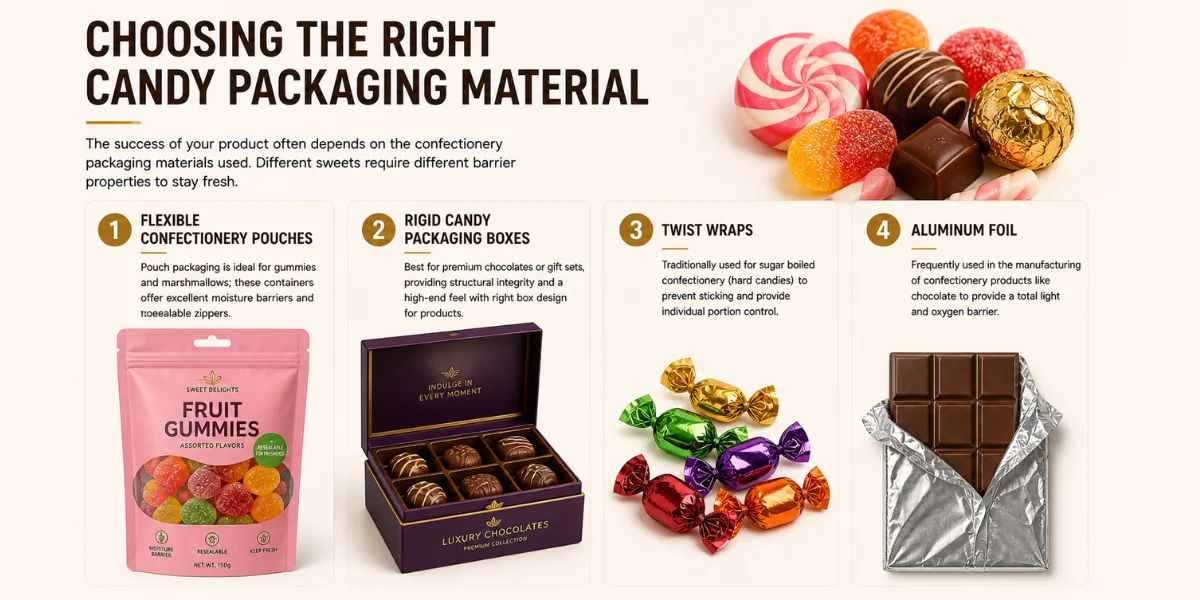
1. Choosing the Right Candy Packaging Material
Confectionery Packaging Design, Packaging Of Confectionery Products, Candy Design, Candy Packaging, Confectionery Pouches, Confectionery Pouches, Brij Design Studio
The success of your product often depends on the confectionery packaging materials used. Different sweets require different barrier properties to stay fresh.
1. Flexible Confectionery Pouches:
Pouch packaging is ideal for gummies and marshmallows; these containers offer excellent moisture barriers and resealable zippers
2. Rigid Candy Packaging Boxes:
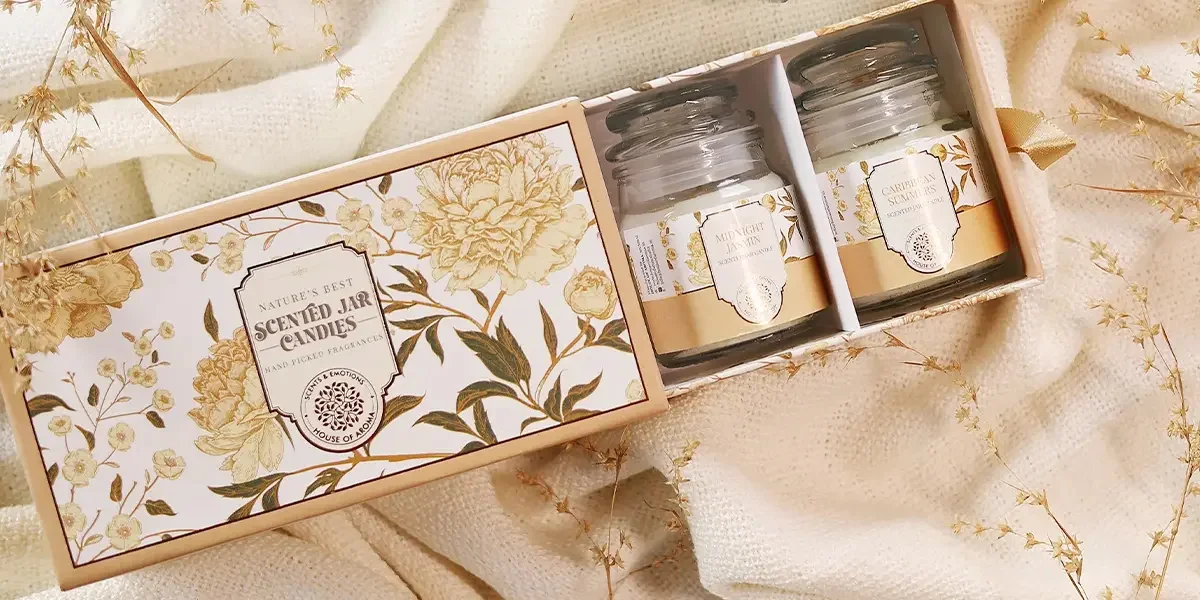
Best for premium chocolates or gift sets, providing structural integrity and a high-end feel with right Box design for products.
3. Twist Wraps:
Traditionally used for sugar boiled confectionery (hard candies) to prevent sticking and provide individual portion control.
4. Aluminum Foil:
Frequently used in the manufacturing of confectionery products like chocolate to provide a total light and oxygen barrier.

2. The Psychology of Color in Candy Design
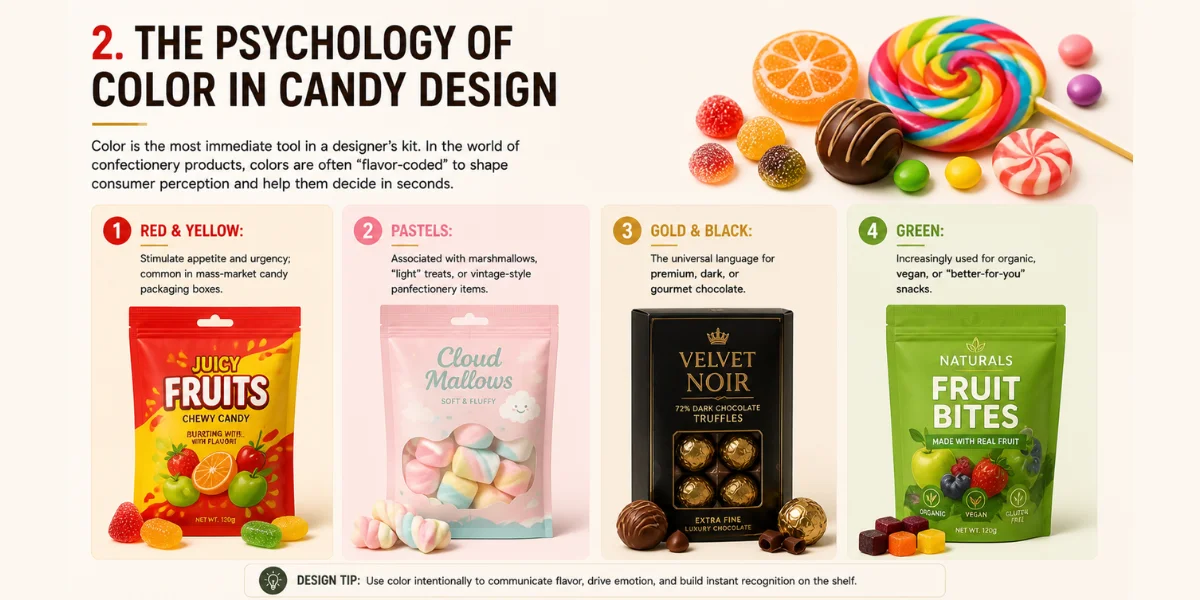
Color is the most immediate tool in a designer’s kit. In the world of confectionery products, colors are often ‘flavor-coded’ to shape consumer perception and help them decide in seconds
1. Red & Yellow:
Stimulate appetite and urgency; common in mass-market candy packaging boxes.
2. Pastels:
Associated with marshmallows, “light” treats, or vintage-style confectionery items.
3. Gold & Black:
The universal language for premium, dark, or gourmet chocolate.
4. Green:
Increasingly used for organic, vegan, or “better-for-you” snacks.

3. Sensory Design: Beyond the Visual

Confectionery packaging design should be a multi-sensory experience. High-quality confectionery packaging materials can influence perceived taste.

Feature

Impact on Consumer

Soft-Touch Matte

Signals luxury and high-quality ingredients.

Spot UV (Gloss)

Makes images of confectionery products look "juicy."

Embossing

Adds a 3D texture that encourages tactile engagement.

Die-cut Windows

Builds trust by showing the actual sugar boiled confectionery inside.

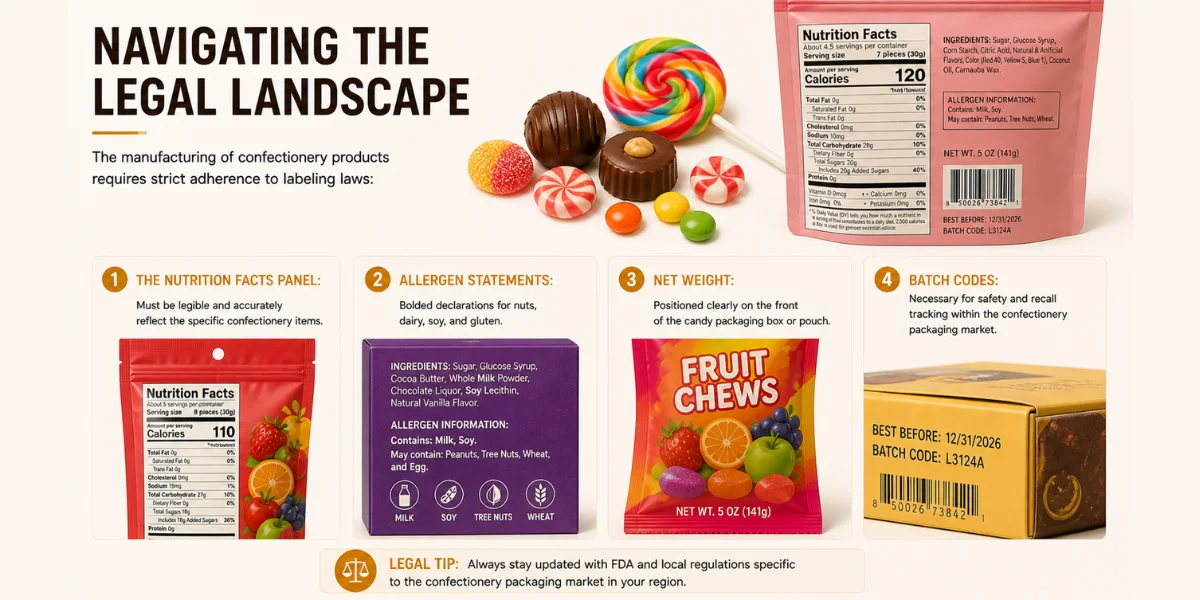
4. Navigating the Legal Landscape

The manufacturing of confectionery products requires strict adherence to labeling laws:
1. The Nutrition Facts Panel:
Must be legible and accurately reflect the specific confectionery items.
2. Allergen Statements:
Bolded declarations for nuts, dairy, soy, and gluten.
3. Net Weight:
Positioned clearly on the front of the candy packaging box or pouch.
4. Batch Codes:
Necessary for safety and recall tracking within the confectionery packaging market.

5. Trends Shaping the Future of Confectionery
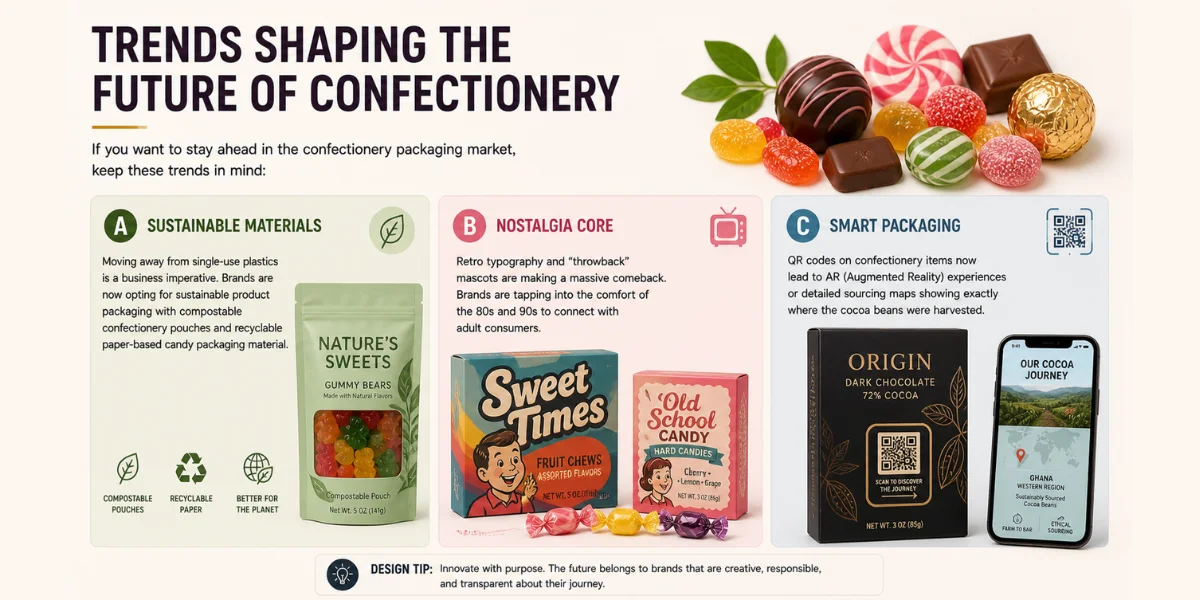
If you want to stay ahead in the confectionery packaging market, keep these trends in mind:

A. Sustainable Materials

Moving away from single-use plastics is a business imperative. Brands are now opting for sustainable product packaging with compostable confectionery pouches and recyclable paper-based candy packaging material.

B. Nostalgia Core

Retro typography and “throwback” mascots are making a massive comeback. Brands are tapping into the comfort of the 80s and 90s to connect with adult consumers.

C. Smart Packaging

QR codes on confectionery items now lead to AR (Augmented Reality) experiences or detailed sourcing maps showing exactly where the cocoa beans were harvested.

Checklist for Effective Confectionery Packaging
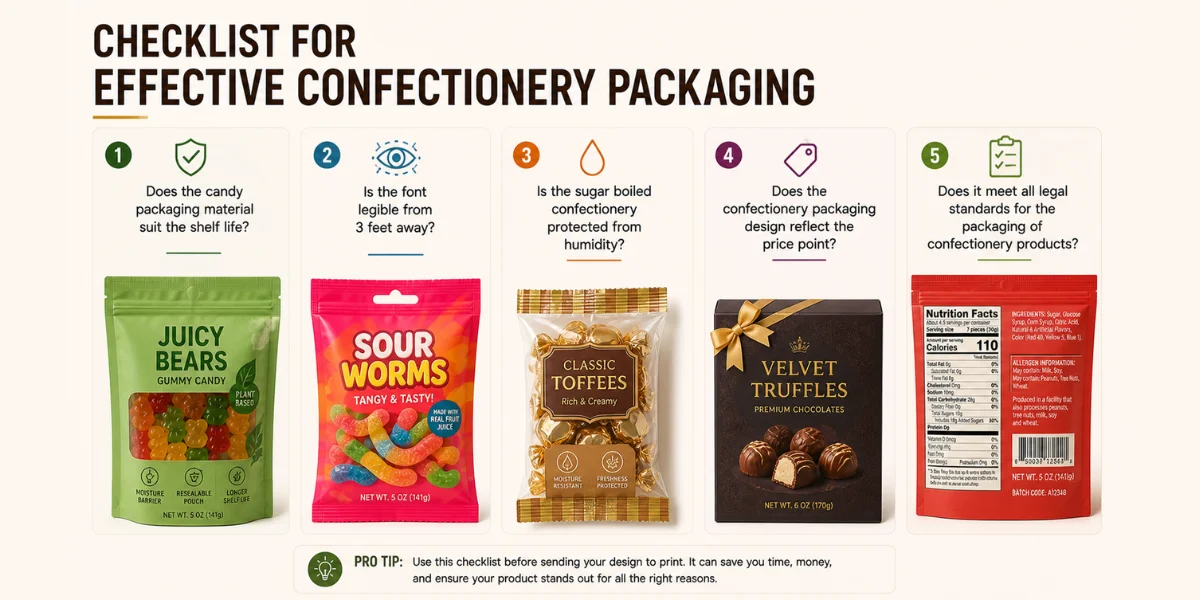
1. Does the candy packaging material suit the shelf life?
2. Is the font legible from 3 feet away?
3. Is the sugar boiled confectionery protected from humidity?
4. Does the confectionery packaging design reflect the price point?
5. Does it meet all legal standards for the packaging of confectionery products?

Conclusion

Mastering confectionery packaging design requires a balance of art, science, and market awareness. By choosing the right candy packaging box and sustainable confectionery packaging materials, you can turn a simple sweet into an unforgettable brand experience.

FAQ's

Confectionery products are sugar-rich foods categorized into sugar confectionery (hard candies, gummies, toffees) and baker’s confectionery (pasties, cakes). These treats rely on sweeteners, fats, and flavorings to create diverse textures and tastes enjoyed as snacks or desserts.

Packaging is vital for preservation, as it blocks moisture and air that cause spoilage, and for safety, preventing contamination during shipping. It also serves as a critical marketing tool to attract buyers and provides mandatory nutritional and allergy information.

Toffees and butter are typically wrapped in grease-resistant vegetable parchment (butter paper) or wax-coated paper to prevent sticking. Modern manufacturers also use BOPP films or aluminum foil laminates to provide a superior moisture barrier and prevent fats from going rancid.

Cold Seal is a pressure-sensitive adhesive used for heat-sensitive items like chocolate bars to prevent melting during the sealing process. It allows for high-speed production without the use of heat, ensuring the product’s shape and texture remain perfect.

In 2026, sustainable packaging uses compostable films and mono-material plastics that are easier to recycle than traditional multi-layer bags. These materials provide the same protective barriers while reducing the environmental footprint of high-volume candy brands.